
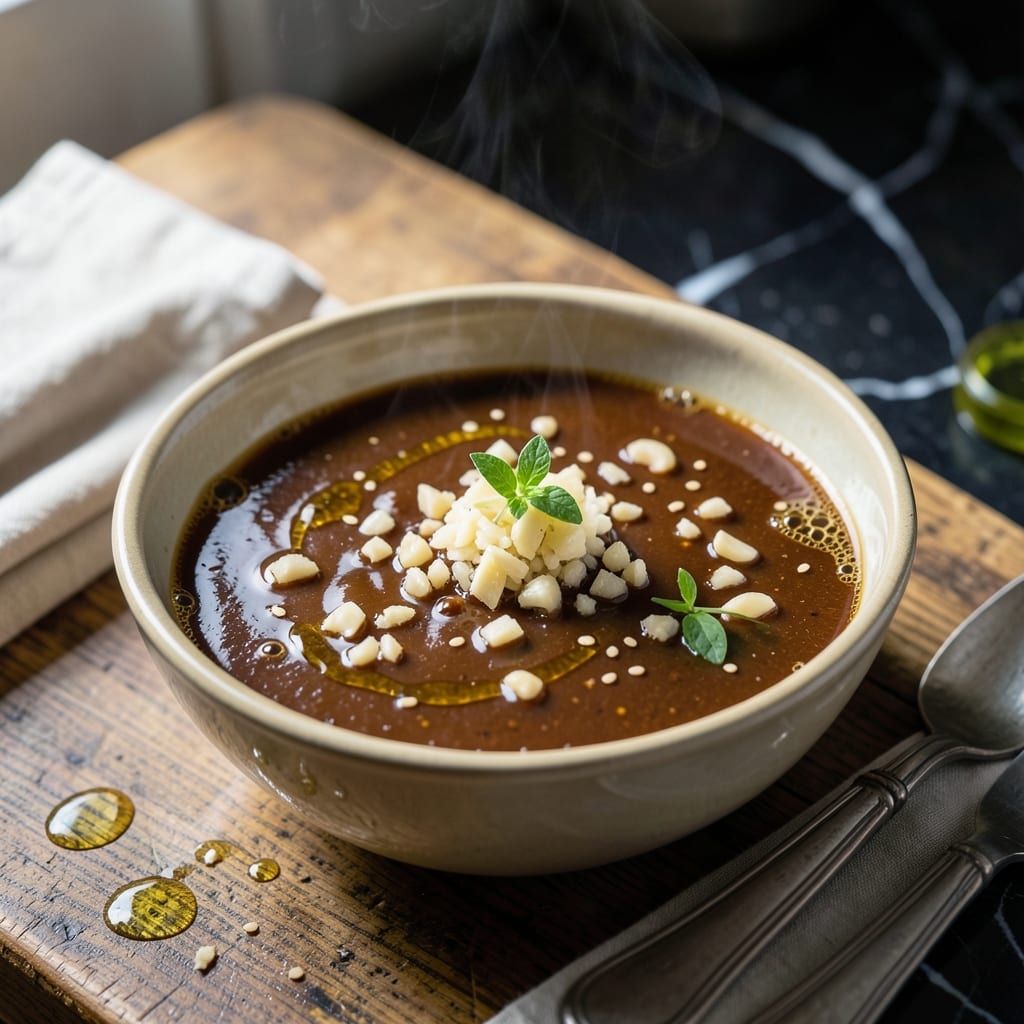
This rice sauce transforms plain grains into something extraordinary with minimal effort. I developed this versatile condiment to elevate everything from steamed rice to grilled proteins, using simple pantry staples.
The key is balancing umami, sweetness, and acidity in a smooth, spoonable consistency. A quick simmer allows flavors to meld while maintaining a bright, fresh character that doesn’t overpower the dish it accompanies.
Use it as a finishing drizzle, marinade base, or dipping sauce. The recipe scales perfectly for meal prep, staying fresh in the refrigerator for up to 5 days without losing its vibrant character.
Master this one sauce, and you’ll reach for it constantly to add depth to countless meals.
Ingredients for Rice Sauce
Nine simple ingredients create this versatile, umami-packed condiment for any dish.
| Ingredient | Amount | Notes |
|---|---|---|
| Soy Sauce 🫒 | ½ cup | Low-sodium preferred for balance |
| Rice Vinegar 💧 | ¼ cup | Unseasoned for clean acidity |
| Honey 🍯 | 3 tbsp | Balances savory umami notes |
| Sesame Oil 🫒 | 1 tbsp | Toasted variety for depth |
| Garlic Cloves 🧄 | 4 cloves | Minced finely for even distribution |
| Fresh Ginger 🌿 | 1 tbsp | Grated for maximum flavor extraction |
| Red Pepper Flakes 🌶️ | ½ tsp | Adjust for heat preference |
| Cornstarch 🌾 | 1 tbsp | Slurry with water to thicken |
| Water 💧 | 2 tbsp | For cornstarch slurry |
The soy sauce is the backbone here. Kikkoman or San-J are my go-tos for consistent quality. Look for low-sodium to keep the saltiness in check—you can always add more later. Rice vinegar should be unseasoned; the seasoned stuff has sugar that throws off the balance. Asian markets have the best prices on both, but any well-stocked grocery store will have them too.
No honey? Maple syrup or agave at a 1:1 ratio works fine. Missing sesame oil? A neutral oil plus a pinch of toasted sesame seeds gets you close. The ginger can be powdered in a pinch (use one-third the amount), but fresh is brighter. Red pepper flakes are flexible—skip them for a mild sauce or double for extra kick.
This keeps beautifully in the fridge for 5 days in a sealed jar. The flavors actually get better after a day as they meld. Freezes for 3 months too (leave out the cornstarch slurry and add it fresh when reheating). Stir before using—it’ll separate a bit as it sits.
Why You’ll Love This Recipe
- Five Minute Mix: No chopping, no fuss—just whisk the soy sauce, honey, and vinegar together while the garlic infuses in warm sesame oil.
- Sweet-Savory Magic: That first hit of honey balanced with salty soy and tangy vinegar? I’ll admit I’ve caught myself licking the spoon.
- Drizzle on Everything: From fried rice to grilled chicken to roasted veggies, this sauce clings and brightens every bite.
- Budget Stretch: A handful of pantry staples turns plain rice into a meal. Honestly, it’s saved my grocery bill more than once.
Step-by-Step Instructions for Rice Sauce
This simple process transforms everyday ingredients into a glossy, restaurant-worthy sauce in minutes.
Step 1: Bloom Aromatics in Sesame Oil
Heat a small saucepan over medium heat and add the 1 tbsp Sesame Oil. Once it shimmers slightly, add the 4 cloves Garlic Cloves and 1 tbsp Fresh Ginger. Stir constantly for 30-45 seconds until the mixture becomes fragrant but not browned.
This bloom step extracts maximum flavor from the garlic and ginger. Watch closely—if the garlic starts to turn golden, reduce heat immediately. Burnt garlic turns bitter and ruins the sauce. The sesame oil’s nutty aroma should intensify as the spices warm.
Step 2: Build the Sauce Base
Pour in the 0.5 cup Soy Sauce and 0.25 cup Rice Vinegar, scraping up any browned bits from the pan. Add the 3 tbsp Honey and 0.5 tsp Red Pepper Flakes. Stir well to combine.
Bring the mixture to a gentle simmer over medium-high heat. You’ll see small bubbles forming at the edges first, then across the surface. The honey will dissolve completely, and the sauce will take on a rich amber color. Let it simmer for 2-3 minutes to meld the flavors.
Step 3: Create and Add the Slurry
In a small bowl, whisk together the 1 tbsp Cornstarch and 2 tbsp Water until completely smooth with no lumps. This slurry will thicken the sauce without creating a pasty texture.
Slowly pour the slurry into the simmering sauce while whisking constantly. The mixture will thicken almost immediately. Continue cooking for 1-2 minutes until the sauce reaches your desired consistency—it should coat the back of a spoon but still drip slowly.
Step 4: Finish and Adjust
Remove the sauce from heat and let it sit for 1 minute. The sauce will thicken slightly more as it cools. Taste and adjust seasoning if needed, though the balanced combination of sweet, salty, tangy, and spicy should be perfect as is.
For a glossier finish, stir in an extra drizzle of sesame oil. The sauce should have a beautiful sheen and be thick enough to cling to food but thin enough to pour easily. Use immediately while warm for best results.
Pro Tips For Making Rice Sauce
- Mince Garlic Fine: After burning three batches, I finally figured out that finely minced garlic disperses better in the sauce and prevents bitter, burnt chunks.
- Warm the Honey: Microwave the honey for 10-15 seconds before mixing—it blends smoothly with the soy sauce and vinegar instead of clumping at the bottom.
- Skip the Boil: I learned this the hard way—never boil the sauce or the honey will caramelize too fast and the garlic will turn bitter.
- Rest Before Serving: Let the sauce sit for 5 minutes after mixing so the flavors meld, especially the sesame oil which needs time to shine.
Dietary Considerations for These Flavors
Gluten-Free Option
Swap the soy sauce for tamari—it’s naturally gluten-free and has a similar depth of flavor. I use San-J Tamari for consistent quality. This simple change keeps the umami while making the sauce safe for gluten-sensitive diets.
Vegan Adaptation
Replace the honey with maple syrup or agave at a 1:1 ratio. Both options dissolve beautifully and maintain the sweet balance. I find Grade A maple syrup works best for its smooth, mild flavor.
Low-Sodium Version
Use low-sodium soy sauce and reduce the amount by 25%. Boost flavor with extra garlic and ginger to compensate. This keeps the sauce flavorful without the excess salt. 💡
Nut-Free Alternative
If avoiding sesame, substitute avocado oil for the sesame oil. Add a pinch of toasted sesame seeds at the end for that nutty depth. The texture and shine remain the same with this swap.
Sugar-Free Option
Replace honey with monk fruit sweetener or erythritol. Use a 1:1 ratio, but start with less and adjust to taste. These alternatives provide sweetness without spiking blood sugar.
Spice Adjustments
Omit the red pepper flakes entirely for a mild sauce. For heat lovers, increase to 1 tsp or add a dash of sriracha after cooking. The sauce adapts beautifully to any spice preference.
Nutrition Facts
Frequently Asked Questions
Can I use a different vinegar?
Yes! Apple cider vinegar works well, though it has a slightly fruitier taste. White wine vinegar is another good substitute with a milder flavor. Avoid balsamic as it overpowers the sauce.
How do I fix a sauce that’s too thin?
Mix 1 tsp cornstarch with 1 tbsp water and whisk into simmering sauce. Cook for 1-2 minutes until thickened. Repeat if needed.
What’s the best way to store leftovers?
Transfer to an airtight container once cooled. It keeps in the fridge for up to 5 days. For longer storage, freeze for 3 months.
Can I make this spicier?
Add 1/2 tsp sriracha or increase red pepper flakes to 1 tsp. For extra heat, stir in a dash at the end.

- Jollof Rice Sauce Recipe: West African Tomato and Spice Infusion - September 25, 2026
- Japanese Rice Soup Recipe: Umami-Rich Comfort in a Bowl - September 25, 2026
- Homemade Cream Of Rice Recipe: Silk-Smooth Breakfast in Minutes - September 25, 2026