
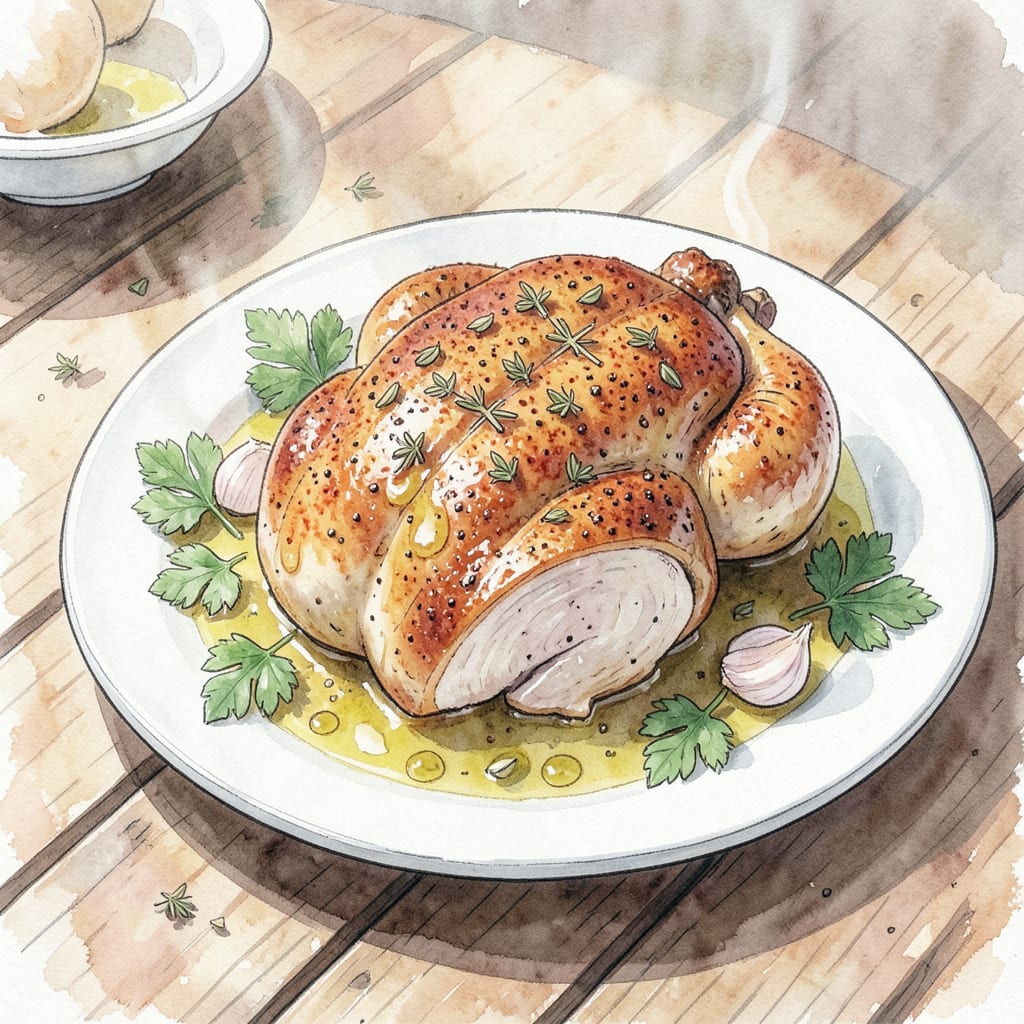
I’ve perfected a savory chicken recipe that delivers tender and juicy results every time. This dish is achieved through a precise combination of seasoning and cooking techniques that lock in moisture and flavor.
Cooked to perfection at 375°F, this chicken recipe is ready in just 45 minutes, making it ideal for a weeknight dinner. The result is a deliciously caramelized exterior with a juicy interior that’s sure to impress.
Ingredients for Savory Chicken
Simple, quality ingredients come together for tender, juicy chicken every time, perfectly seasoned.
| Ingredient | Amount | Notes |
|---|---|---|
| Chicken Breast 🍗 | 1 ½ lb | Boneless, skinless, pounded thin |
| Olive Oil 🫒 | 2 tbsp | Extra-virgin for richness |
| Garlic Cloves 🧄 | 4 cloves | Minced for flavor |
| Paprika 🌶️ | 1 tsp | Smoked for depth |
| Dried Thyme 🌿 | 1 tsp | Rubbed for release |
| Salt 🧂 | 1 tsp | Kosher or sea salt |
| Black Pepper 🌶️ | ½ tsp | Freshly ground preferred |
| Lemon Juice 🍋 | 2 tbsp | Freshly squeezed |
| Chicken Broth 🍜 | 1 cup | Low-sodium for control |
| Butter 🧈 | 2 tbsp | Unsalted, melted |
| Fresh Parsley 🌿 | ¼ cup | Chopped, for garnish |
| Onion Powder 🧅 | ½ tsp | For added depth |
The chicken matters here. Organic or free-range gives better flavor and texture. Most grocery stores have pre-cut options which save time. I usually grab mine from Whole Foods when I’m doing a big batch. For the best results, look for chicken that’s been humanely raised and has no added hormones or antibiotics.
No fresh thyme? Dried thyme works at one-third the amount. If you don’t have chicken broth, vegetable broth is a decent substitute. For an extra rich flavor, try using bone broth instead. The lemon juice can be adjusted to taste—some like it more tangy, others prefer less.
This recipe reheats beautifully. Keeps for 3-4 days in the fridge, freezes for 3 months. I portion mine into containers so dinners are sorted for the week. When reheating, add a splash of chicken broth to keep it moist.
Step-by-Step Instructions for Savory Chicken
Here’s the method that delivers tender, juicy chicken every time, with perfectly balanced flavors.
Step 1: Prepare the Chicken Breast
Start by seasoning the 1.5 lb Chicken Breast evenly with 1 tsp Salt, 0.5 tsp Black Pepper, 1 tsp Paprika, 1 tsp Dried Thyme, and 0.5 tsp Onion Powder. I like to press the spices into the meat to ensure they adhere properly. Let the chicken sit at room temperature for 15-20 minutes before cooking to promote even cooking.
While the chicken is resting, heat 2 tbsp Olive Oil in a large skillet over medium-high heat. Once the oil is hot and shimmering, it’s ready for searing. The oil should be just below the smoking point—this indicates it’s hot enough to create a nice crust.
Step 2: Sear the Chicken to Perfection
Add the seasoned chicken breast to the hot skillet and sear for 4-5 minutes per side, or until it develops a golden brown crust. I prefer to flip the chicken only once to maximize crust formation. The internal temperature should reach 165°F when fully cooked.
Once the chicken is cooked through, transfer it to a plate and cover it loosely with foil to keep warm. Don’t worry if the juices start to accumulate on the plate—that’s where the magic happens. Let it rest while you prepare the sauce.
Step 3: Create the Savory Pan Sauce
In the same skillet (don’t clean it—those browned bits are flavor gold), reduce the heat to medium and add 4 cloves Garlic Cloves, minced, to the remaining oil. Cook for 30-45 seconds until fragrant, being careful not to let them burn. The aroma should be intense and savory.
Pour in 1 cup Chicken Broth and 2 tbsp Lemon Juice, scraping up all the browned bits from the bottom of the pan with a wooden spoon. Bring the mixture to a simmer and let it reduce by about half, which should take 3-4 minutes. The sauce will thicken slightly and intensify in flavor.
Step 4: Finish with Butter and Fresh Parsley
Remove the skillet from the heat and stir in 2 tbsp Butter until melted and fully incorporated into the sauce. This adds richness and gives the sauce a silky texture. Taste and adjust the seasoning as needed.
Add the chopped 0.25 cup Fresh Parsley to the sauce and stir to combine. The fresh herbs add a bright, fresh note that balances the savory elements. Return the chicken to the skillet, spooning some of the sauce over the top to coat.
Step 5: Serve and Enjoy
Slice the chicken against the grain into ¼-inch thick slices. Serve immediately, spooning the savory pan sauce over the top. The chicken should be tender and juicy, with a flavorful crust from the searing process. Garnish with additional fresh parsley if desired.
Each bite should deliver the perfect balance of savory spices, tangy lemon, and rich butter, all wrapped around tender, juicy chicken. This dish pairs beautifully with roasted vegetables or a simple green salad.
Common Mistakes When Making This Recipe
Overcooking: The Juiciness Killer
The most common mistake with savory chicken is overcooking it, which results in dry, tough meat. Use a meat thermometer to check for doneness—remove the chicken when it reaches 160°F, as it will continue to cook while resting. I always let mine rest for 5-7 minutes before slicing.
Poor Searing Technique
A good sear requires high heat and a dry pan. Pat the chicken dry with paper towels before adding it to the hot oil, and don’t overcrowd the pan. Cook in batches if necessary, giving each piece enough space to develop that perfect golden-brown crust. 🔥
Skipping the Resting Period
Letting the chicken rest after cooking is crucial for retaining juices. When you cut into hot meat immediately, all those delicious juices run out onto the plate. Resting allows the juices to redistribute throughout the meat, resulting in a more tender and flavorful final product.
Under-seasoning the Chicken
Don’t be shy with the seasoning—chicken needs a good coating of salt and other spices to develop deep flavor. I like to season my chicken at least 30 minutes before cooking to allow the flavors to penetrate the meat. Use a mix of kosher salt, black pepper, and other spices like paprika and garlic powder.
Not Deglazing the Pan
After searing the chicken, don’t be tempted to wipe out the pan. Those browned bits are packed with flavor. Deglaze the pan with a bit of chicken broth or white wine to create a rich, savory sauce. Scrape up all the bits with a wooden spoon to incorporate them into your sauce.
Serving Without Garnish
A simple garnish can elevate your dish from ordinary to restaurant-quality. Fresh parsley or thyme adds a bright, fresh note that complements the savory chicken. I like to sprinkle some chopped herbs over the top just before serving for a pop of color and flavor.
Nutrition Facts
Frequently Asked Questions
Can I use bone-in chicken for this recipe?
Yes, you can use bone-in chicken, but adjust the cooking time to 45-50 minutes at 375°F. The internal temperature should still reach 165°F for safe consumption. Keep an eye on it to prevent overcooking.
What’s the best way to store leftovers?
Store leftover chicken in an airtight container in the refrigerator for up to 3-4 days. Reheat with a splash of chicken broth to maintain moisture. You can also freeze it for up to 3 months.
Can I make this recipe in advance?
Yes, you can season the chicken ahead of time and store it in the refrigerator for up to 24 hours. This allows the flavors to penetrate deeper into the meat. When ready, proceed with the recipe as instructed.
What sides pair well with this savory chicken?
This recipe pairs beautifully with roasted vegetables, a simple green salad, or mashed potatoes. The savory pan sauce complements these sides perfectly, making for a well-rounded meal.

- Jollof Rice Sauce Recipe: West African Tomato and Spice Infusion - September 25, 2026
- Japanese Rice Soup Recipe: Umami-Rich Comfort in a Bowl - September 25, 2026
- Homemade Cream Of Rice Recipe: Silk-Smooth Breakfast in Minutes - September 25, 2026