
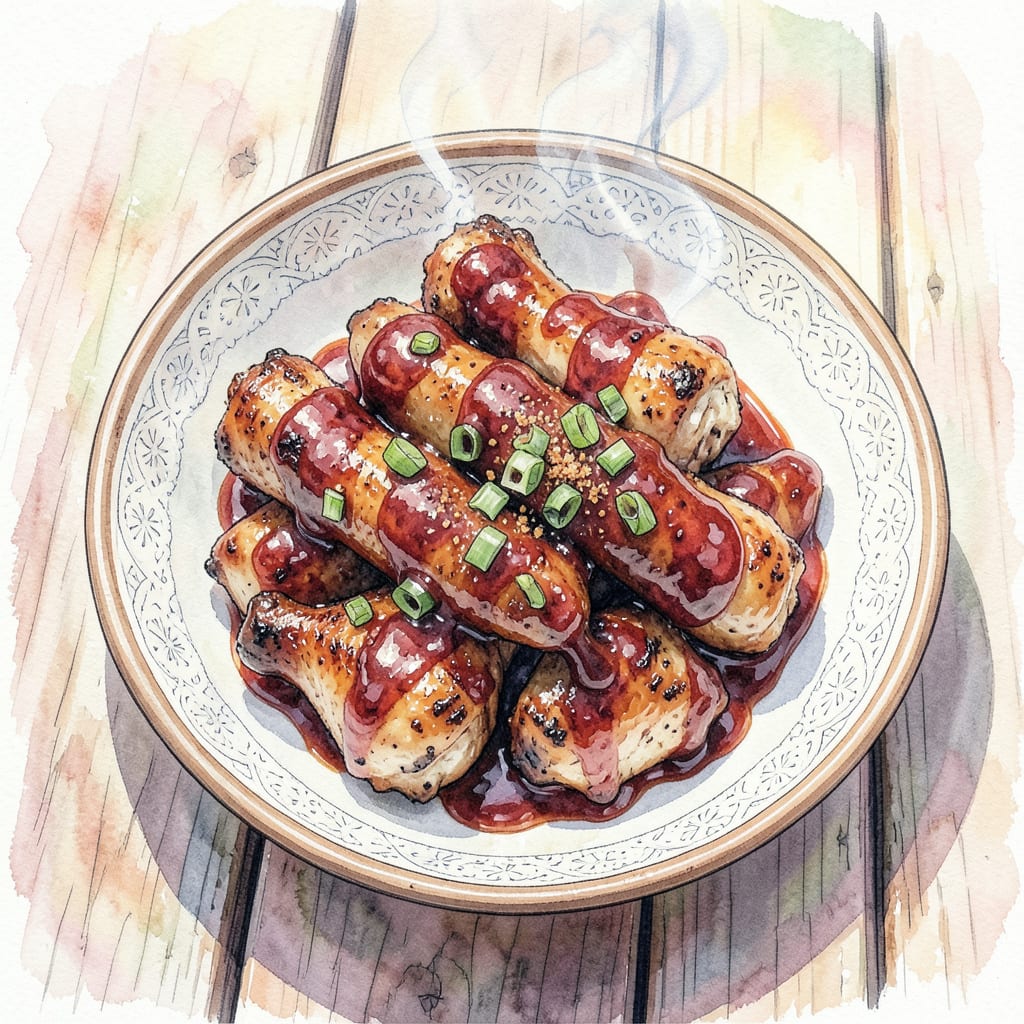
I’ve perfected a smoked chicken thighs recipe that delivers fall-off-the-bone tender perfection every time. This BBQ favorite combines rich smoke flavor with tangy BBQ sauce for a mouthwatering main course that’s sure to impress.
The secret lies in low-and-slow cooking at 225°F, allowing the chicken to absorb deep, smoky flavor while staying juicy. Paired with your favorite sides, this dish becomes a complete summer meal that’ll have everyone coming back for more.
Ingredients for Smoked Chicken Thighs Bbq
Low-and-slow cooking creates tender perfection with rich, smoky flavor and tangy BBQ sauce.
| Ingredient | Amount | Notes |
|---|---|---|
| Bone-in Chicken Thighs 🍗 | 4 pieces | Skin-on for crispy texture |
| Smoked Paprika 🌶️ | 2 tbsp | For smoky depth |
| Brown Sugar 🍮 | 1 tbsp | For caramelized crust |
| Garlic Powder 🧄 | 1 tbsp | Not garlic salt |
| Onion Powder 🧅 | 1 tbsp | Adds savory depth |
| Kosher Salt 🧂 | 1 tbsp | Diamond Crystal preferred |
| Black Pepper 🌶️ | 1 tsp | Freshly ground |
| BBQ Sauce 🍯 | 1 cup | Sweet or tangy variety |
| Apple Cider Vinegar 🍎 | ¼ cup | For marinade |
| Olive Oil 🫒 | ¼ cup | For moisture retention |
| Wood Chips 🌲 | 2 cups | Hickory or applewood |
| Fresh Parsley 🌿 | ¼ cup | Chopped, for garnish |
The chicken quality matters. Look for plump thighs with good fat distribution—this helps keep them juicy during the long cook time. Most grocery stores have bone-in, skin-on thighs which work perfectly. I prefer Costco for their consistent quality and price. If you’re feeling fancy, try local butcher for heritage breeds.
No smoked paprika? Regular paprika with liquid smoke gets you close. For BBQ sauce, Kansas City-style is thick and sweet while Carolina-style is vinegar-forward—both work great. If you can’t find hickory wood chips, applewood or mesquite make great alternatives. The apple cider vinegar adds a nice tang, but white wine vinegar works in a pinch.
These reheat beautifully—keep 3-4 days in the fridge. Freeze individual portions for up to 3 months. When reheating, add a splash of extra BBQ sauce to keep things moist. The wood chips can be stored in an airtight container for months.
Step-by-Step Instructions for Smoked Chicken Thighs BBQ
Here’s the method that delivers fall-off-the-bone tender perfection every single time.
Step 1: Prepare the Dry Rub and Marinate the Chicken
First, mix together the 2 tbsp Smoked Paprika, 1 tbsp Brown Sugar, 1 tbsp Garlic Powder, 1 tbsp Onion Powder, 1 tbsp Kosher Salt, and 1 tsp Black Pepper in a small bowl until well combined. I like to use my fingers to ensure everything is evenly distributed.
Place the 4 pieces Bone-in Chicken Thighs in a large zip-top bag or a non-reactive container. Drizzle the 0.25 cup Olive Oil and 0.25 cup Apple Cider Vinegar over the chicken, then sprinkle the dry rub mixture evenly over all the chicken thighs. Seal the bag or cover the container, and refrigerate for at least 2 hours or overnight for maximum flavor.
Step 2: Set Up Your Smoker for Low and Slow Cooking
Preheat your smoker to 225-250°F using your preferred type of wood – I recommend hickory or applewood for this recipe. Once the smoker is ready, add the 2 cups Wood Chips to the smoker box. The smoke should be clean and thin, not thick and white.
Remove the chicken from the refrigerator and let it sit at room temperature for 30 minutes before smoking. This helps the chicken cook more evenly. Place the chicken thighs in the smoker, skin side up if they have skin. Close the lid and smoke for 2-3 hours until the internal temperature reaches 165°F.
Step 3: Finish with BBQ Sauce and Rest
After 2 hours of smoking, brush the chicken thighs generously with the 1 cup BBQ Sauce. You can use more or less sauce depending on your preference, but I find this amount gives a nice balance of flavor. Return the chicken to the smoker for another 15-30 minutes until the sauce is set and the chicken is coated.
Remove the chicken from the smoker and let it rest for 10-15 minutes before serving. This resting period allows the juices to redistribute, making the chicken even more tender. Garnish with 0.25 cup Fresh Parsley and serve hot.
Best Sauces and Condiments for This Dish
Classic BBQ Sauce Options
For smoked chicken thighs, a traditional Kansas City-style BBQ sauce works beautifully. These thick, sweet sauces typically contain tomato puree, molasses, and apple cider vinegar. I love using KC Masterpiece for its balanced flavor profile that complements the smoky chicken without overpowering it. 🔥
Vinegar-Based BBQ Sauce
If you prefer a tangier profile, try a Carolina-style vinegar-based BBQ sauce. These sauces feature apple cider vinegar as the primary flavor component, often with added red pepper flakes for heat. This style cuts through the richness of the chicken beautifully. For a milder version, look for sauces that balance the vinegar with some honey or maple syrup.
Spicy BBQ Sauce Variations
For those who like a little heat, spicy BBQ sauces can elevate your smoked chicken thighs. Look for sauces featuring hot sauce or chili peppers as primary ingredients. I enjoy using Texas Pete hot sauce as an addition to my BBQ sauce for an extra kick. Start with a small amount and adjust to taste, as these sauces can quickly become overwhelming.
Fruit-Infused BBQ Sauce
For a modern twist, try a fruit-infused BBQ sauce. These sauces incorporate ingredients like peach puree, cherry juice, or apple cider to create a sweeter, more complex flavor profile. The fruit notes complement the smokiness of the chicken beautifully. Look for brands that use natural fruit ingredients without artificial flavorings.
Serving Suggestions with Condiments
Consider serving your smoked chicken thighs with additional condiments on the side. Coleslaw made with apple cider vinegar and a touch of sugar provides a nice contrast. You can also offer pickled vegetables or pickle slices for added tanginess. For a more casual presentation, set up a BBQ sauce bar with various styles for guests to customize their own.
Storage Tips for BBQ Sauce
After using your BBQ sauce, store any leftovers properly to maintain quality. Most commercial BBQ sauces can be kept in the refrigerator for up to 6 months after opening. Homemade sauces typically last 2-3 weeks in the fridge. Always check for signs of spoilage before using stored sauce. For longer storage, consider freezing the sauce in airtight containers for up to 1 year.
Nutrition Facts
Frequently Asked Questions
What’s the best wood for smoking chicken thighs?
Hickory and applewood are top choices for smoking chicken thighs. Hickory provides a strong, classic smoke flavor while applewood adds a milder, sweeter note. You can also experiment with other fruit woods like cherry or peach for different flavor profiles.
How long does it take to smoke chicken thighs at 225°F?
Smoking chicken thighs at 225°F typically takes 2-3 hours until they reach an internal temperature of 165°F. The exact time depends on the size of the thighs and your smoker’s consistency. Always use a meat thermometer to ensure proper doneness.
Should I wrap chicken thighs in foil while smoking?
Wrapping chicken thighs in foil during smoking, known as the “Texas Crutch,” can help retain moisture and speed up cooking. You can wrap them after 2 hours of smoking if you prefer a more tender texture. However, skipping the wrap will result in crisper skin if that’s your preference.
Can I use boneless chicken thighs for this recipe?
While bone-in chicken thighs are recommended for this recipe due to their better flavor and moisture retention, you can use boneless thighs. Reduce the smoking time to 1-2 hours as they’ll cook faster. Keep a close eye on the internal temperature to avoid overcooking.

- Jollof Rice Sauce Recipe: West African Tomato and Spice Infusion - September 25, 2026
- Japanese Rice Soup Recipe: Umami-Rich Comfort in a Bowl - September 25, 2026
- Homemade Cream Of Rice Recipe: Silk-Smooth Breakfast in Minutes - September 25, 2026