
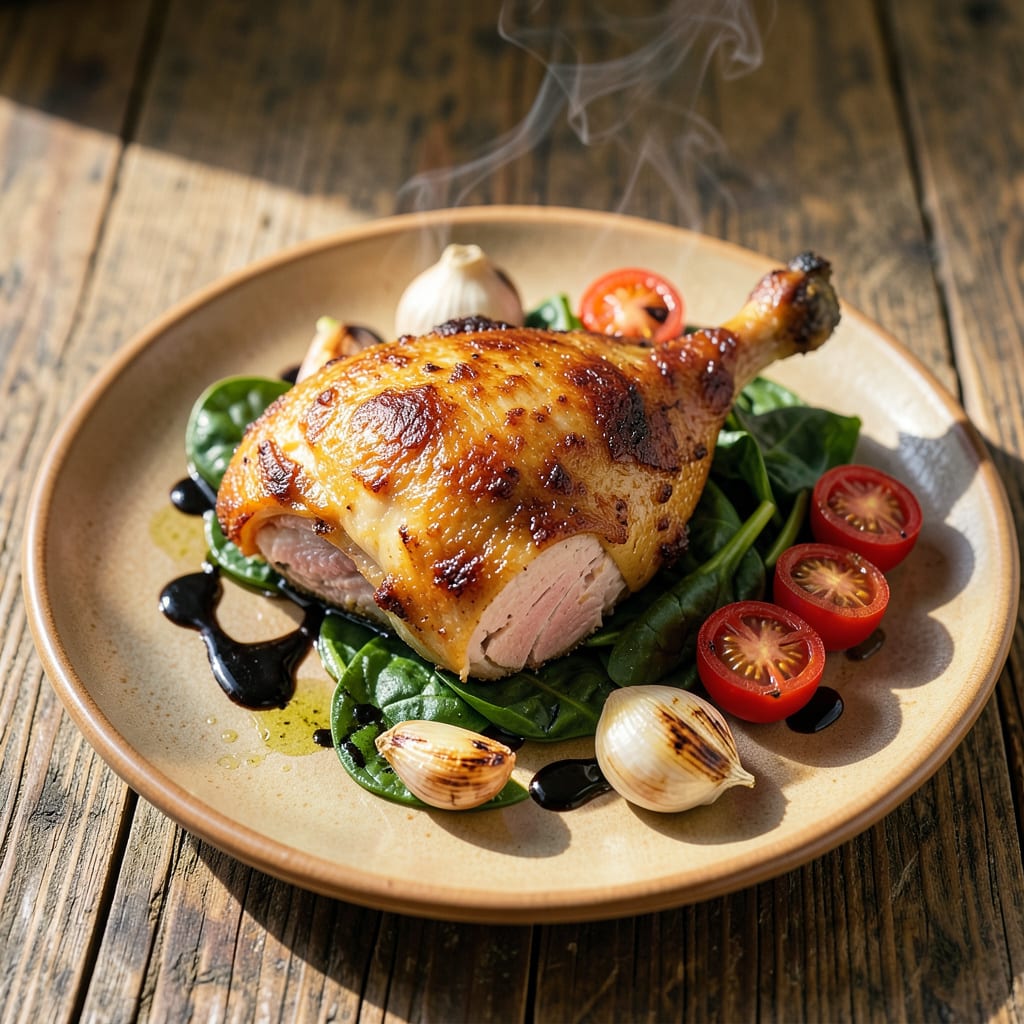
Chicken thigh is a flavorful, juicy cut of dark meat from the upper leg of the chicken, known for its higher fat content and richer taste compared to white meat. It stays moist when cooked, making it ideal for grilling, braising, or frying.
I love working with this cut because the extra fat marbling translates to unforgettable flavor—unlike leaner breast meat that can dry out quickly. 🔥 The thigh’s connective tissue breaks down beautifully during slow cooking, creating that melt-in-your-mouth texture we all crave. Whether you’re smoking them for BBQ or crisping them in a cast-iron skillet, thighs deliver consistent results that impress every time.
What really sets thighs apart is their versatility across global cuisines. They absorb marinades like a sponge, stand up to bold spices, and work equally well in quick stir-fries or long-simmered stews. I’ve found they’re particularly forgiving for home cooks—even if you overcook them slightly, they’ll still taste amazing.
💡 In This Article
- Why Chicken Thighs Are Dark Meat and How It Affects Flavor
- Best Cooking Methods for Chicken Thighs: Bone-In vs. Boneless
Why Chicken Thighs Are Dark Meat and How It Affects Flavor
The dark color of chicken thighs comes from myoglobin, a protein that stores oxygen in muscle tissues. Since thighs are part of the leg muscles chickens use constantly for walking and standing, they develop more myoglobin than inactive muscles like the breast.
This gives thighs their characteristic reddish-brown hue and contributes to their richer, more robust flavor profile compared to white meat.
Fat distribution plays a huge role in texture and taste. Thighs contain about 10-12% fat compared to breast meat’s 1-2%, with marbling throughout the muscle fibers. This fat renders during cooking, basting the meat from within and preventing dryness.
The connective tissue in thighs also breaks down beautifully when cooked properly, transforming into gelatin that adds unctuous mouthfeel. 🔥
What really sets thighs apart is their muscle fiber composition. They’re made of slow-twitch fibers designed for endurance, which contain more mitochondria and blood vessels. This biological makeup means thighs develop deeper, meatier flavors during cooking.
The fat content also allows them to reach higher internal temperatures (175-185°F) without drying out, unlike breast meat that becomes tough above 165°F.
The flavor difference becomes especially noticeable when comparing cooking methods. Thighs develop a richer fond when seared due to their higher collagen content, creating more complex pan sauces.
Their fat content also makes them ideal for smoking or grilling, as the fat cap protects the meat from drying out while absorbing smoky flavors more effectively than leaner cuts.
From a culinary science perspective, the pH of thigh meat (around 6.0-6.2) is slightly higher than breast meat, which affects how it interacts with marinades and dry rubs. This higher pH means thighs can better retain moisture during cooking and develop more pronounced Maillard reactions when browned, resulting in deeper color and flavor development. ✨
This combination of fat, connective tissue, and muscle fiber type makes thighs particularly well-suited for:
- Long cooking methods: Braising, stewing, or slow-roasting where collagen breaks down
- High-heat cooking: Grilling or frying where fat renders to create crispy skin
- Flavor absorption: Marinating or curing where the meat’s structure holds onto seasonings

- Jollof Rice Sauce Recipe: West African Tomato and Spice Infusion - September 25, 2026
- Japanese Rice Soup Recipe: Umami-Rich Comfort in a Bowl - September 25, 2026
- Homemade Cream Of Rice Recipe: Silk-Smooth Breakfast in Minutes - September 25, 2026