
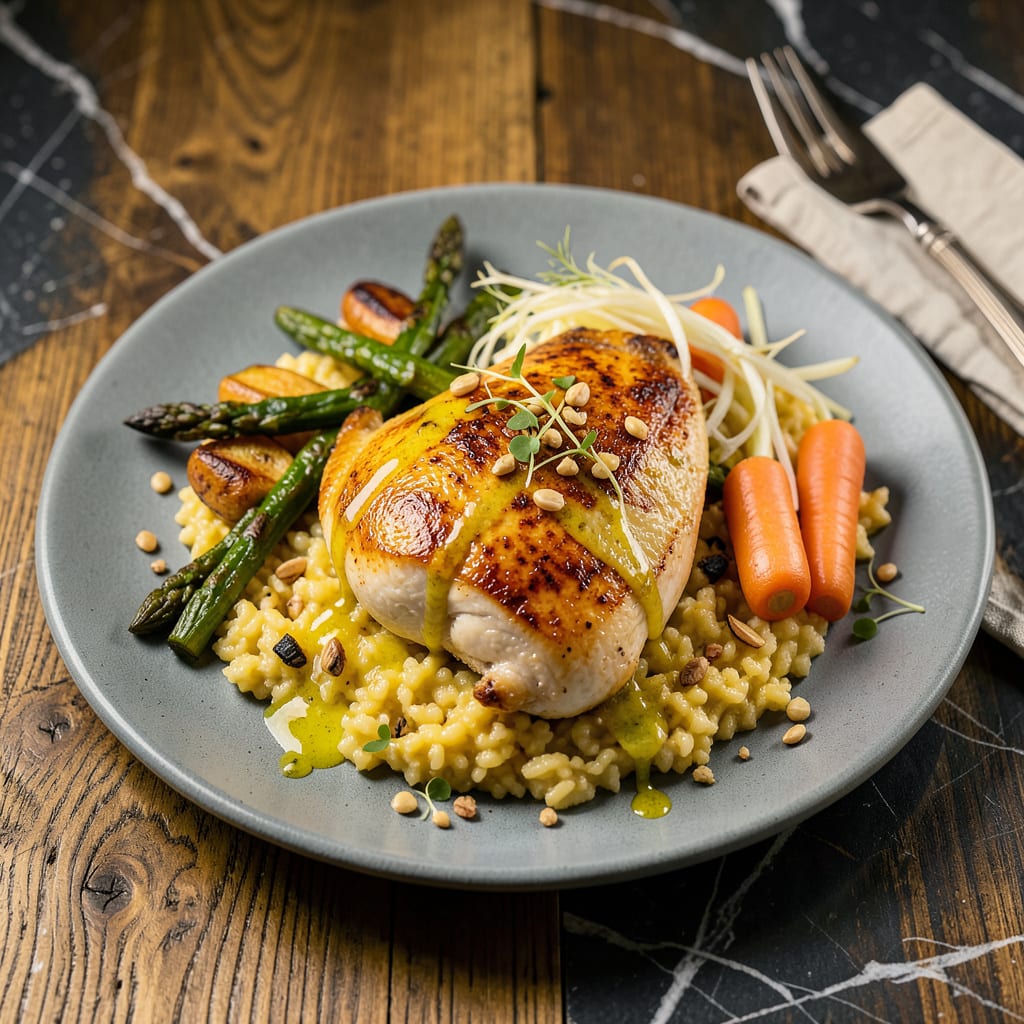
Yellow chicken meat is often caused by natural pigments in the bird’s diet, like marigold petals or corn, or by oxidation during storage. It’s usually safe to eat if the meat smells fresh and isn’t slimy or discolored beyond a pale yellow tint.
This color change actually reveals a lot about the bird’s upbringing and handling. 💛 Commercial farms often add pigment-rich ingredients like alfalfa meal or turmeric to chicken feed—not just for color, but to enhance the bird’s immune system. The yellow hue you see is usually carotenoids (the same compounds that make carrots orange) accumulating in the fat and skin. What’s fascinating is that free-range chickens often develop deeper yellow tones naturally from foraging, while store-bought birds might get their color from controlled feed additives.
When assessing safety, trust your senses over color alone. Fresh chicken should feel slightly moist but never sticky, and any sour or ammonia-like odors are red flags. I’ve found that yellowing near the bones or under the skin is typically harmless, but if the tint spreads to a greenish or grayish cast, that’s a clear sign of spoilage. Proper storage in airtight containers below 40°F can slow oxidation and preserve both color and freshness.
💡 In This Article
- Why Chicken Meat Turns Yellow: Diet and Science
- How to Tell If Yellow Chicken Meat Is Safe to Cook
Why Chicken Meat Turns Yellow: Diet and Science
The golden tint in chicken comes primarily from carotenoids—natural pigments found in plants like corn, alfalfa, and marigold petals. When chickens consume these ingredients, their bodies metabolize and deposit the pigments in fat tissues and skin. This isn’t artificial coloring; it’s biology at work.
Free-range chickens often develop deeper yellow tones because they forage on diverse plants, while commercial birds get controlled doses through feed additives like xanthophylls (derived from marigolds) to standardize color.
What’s fascinating is how these pigments accumulate. Chickens can’t synthesize carotenoids themselves, so their yellow hue directly reflects their diet. A bird fed primarily on corn will develop a more pronounced yellow tint than one eating wheat-based feed.
The concentration matters too: studies show chickens need about 2-4 mg/kg of xanthophylls in their diet to achieve noticeable pigmentation. This is why pasture-raised chickens often have richer color—they consume more carotenoid-rich greens naturally.
Oxidation plays another key role, especially during storage. When chicken meat is exposed to oxygen, the fat begins to break down through a process called lipid oxidation. This creates yellowish compounds called malondialdehyde and other byproducts. The reaction accelerates at temperatures above 40°F, which is why properly refrigerated chicken maintains its color longer.
Vacuum-sealed packaging can reduce this effect by limiting oxygen exposure.
Breed genetics influence pigmentation too. Some heritage breeds like the Cornish Cross naturally develop more yellow fat due to their genetic predisposition to store carotenoids. The color isn’t just skin-deep either—it extends into the fat layers beneath the skin.
When you see yellowing concentrated around joints or under the skin, that’s typically these natural pigments at work rather than spoilage. The distinction becomes clear when comparing to unhealthy discoloration.
Unsafe yellowing differs in key ways. While natural pigmentation appears as a consistent pale yellow, spoilage often creates uneven patches with greenish or grayish undertones. The science is clear: carotenoid-based yellowing remains stable when cooked, while bacterial growth causes colors that darken or spread irregularly.
This is why chefs often prefer yellow-tinted chicken—it indicates both quality feed and proper handling throughout the supply chain.
Temperature abuse dramatically affects color stability. Chicken stored above 45°F for extended periods develops accelerated oxidation, turning the fat from pale yellow to deeper amber tones. This is particularly noticeable in ground chicken, where increased surface area exposes more fat to oxygen.
The USDA notes that while color changes alone don’t indicate spoilage, they should prompt closer inspection of texture and aroma before cooking.
What most people don’t realize is that this yellowing process continues even after cooking. The Maillard reaction (the browning process during cooking) interacts with these carotenoids, often enhancing the golden appearance. This is why properly raised chicken develops that appealing roasted color more uniformly.
The next time you see yellow chicken meat, you’re actually seeing evidence of the bird’s diet and careful handling throughout its life cycle. 🌟

- Jollof Rice Sauce Recipe: West African Tomato and Spice Infusion - September 25, 2026
- Japanese Rice Soup Recipe: Umami-Rich Comfort in a Bowl - September 25, 2026
- Homemade Cream Of Rice Recipe: Silk-Smooth Breakfast in Minutes - September 25, 2026