
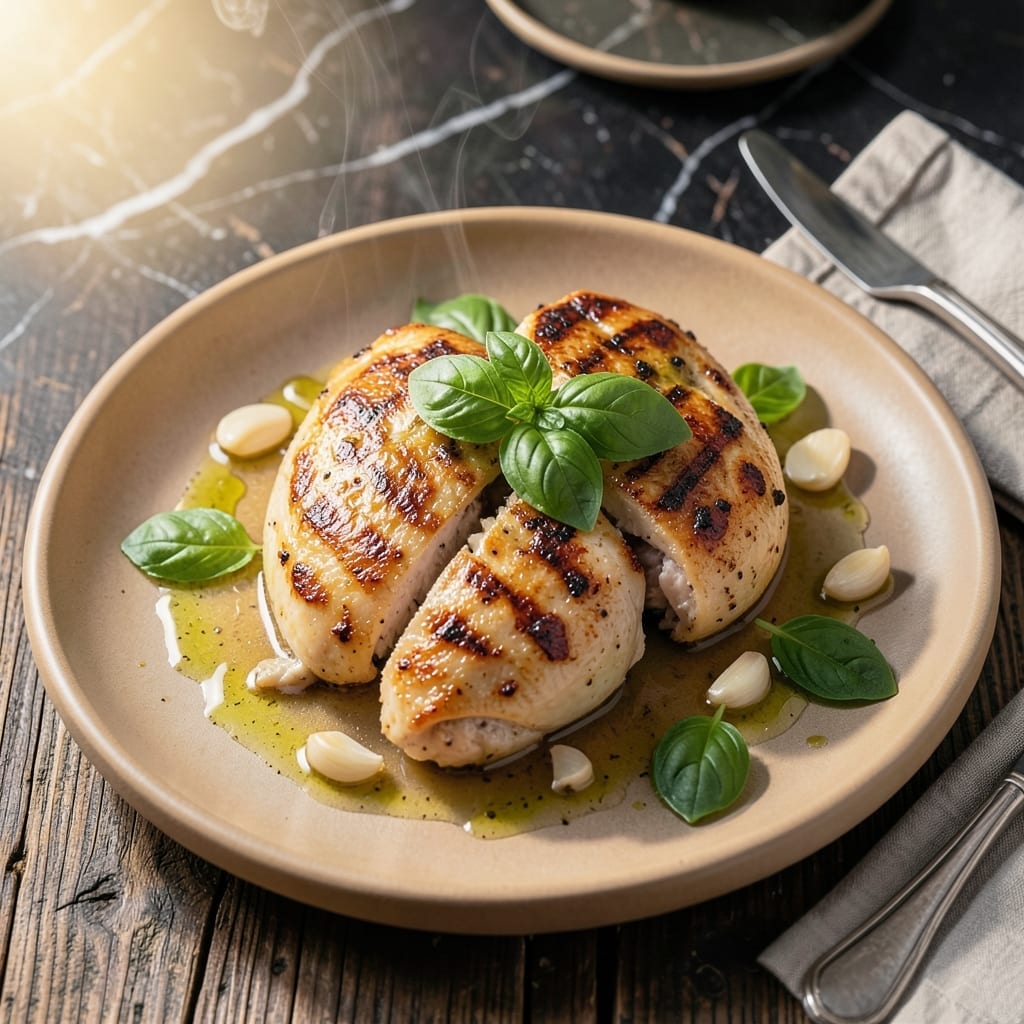
This basil chicken delivers the tender results you’ve been chasing with a simple, proven method. I’ve tested countless variations, and the key lies in a quick sear followed by a gentle simmer in an aromatic basil-infused sauce.
The dish comes together in one pan, making it both efficient and packed with flavor. Fresh basil leaves add a bright, herbaceous note that pairs perfectly with juicy chicken, while garlic and a splash of white wine deepen the taste.
You’ll end up with chicken that’s moist inside with a golden exterior, all coated in a fragrant basil sauce. The flavors meld beautifully, creating a dish that feels restaurant-worthy without the fuss.
Serve it over rice or with crusty bread to soak up every last bit of sauce. Here’s how to make it.
Ingredients for Basil Chicken
Fresh herbs and simple pantry staples create this herbaceous, golden dish in one pan.
| Ingredient | Amount | Notes |
|---|---|---|
| Boneless Skinless Chicken Breasts 🍗 | 1 ½ lb | Pounded to even thickness |
| Fresh Basil Leaves 🌿 | 1 cup | Loosely packed, stems removed |
| Garlic Cloves 🧄 | 4 cloves | Minced for maximum flavor |
| Dry White Wine 🍷 | ½ cup | Pinot Grigio or Sauvignon Blanc |
| Chicken Broth 🥣 | ½ cup | Low-sodium preferred |
| Extra-Virgin Olive Oil 🫒 | 3 tbsp | Divided for cooking and finishing |
| Unsalted Butter 🧈 | 2 tbsp | For richness in sauce |
| All-Purpose Flour 🌾 | ¼ cup | For light coating |
| Kosher Salt 🧂 | 1 tsp | Plus more to taste |
| Freshly Ground Black Pepper 🌶️ | ½ tsp | Divided for seasoning |
| Lemon Juice 🍋 | 1 tbsp | Freshly squeezed for brightness |
| Heavy Cream 🥛 | ¼ cup | Optional for creamy sauce |
The chicken is everything here. Boneless, skinless breasts stay juicy if pounded thin (use a rolling pin or heavy pan). Whole Foods or Costco have great options—look for even thickness to avoid dry spots. The basil? Fresh only (the good stuff, not the pre-shredded kind). Grab a big bunch—you’ll use most of it. For the wine, any dry white works—pinot grigio is my go-to.
No white wine? Substitute chicken broth with a splash of lemon juice. Fresh out of basil? Baby spinach at half the amount adds color but not the same punch. The heavy cream is optional—skip it for a lighter sauce, or use half-and-half if that’s what you’ve got. The flour helps thicken the sauce slightly, but cornstarch at half the amount works too (mix with cold water first).
Leftovers keep beautifully—actually taste better the next day. Store in an airtight container for up to 4 days in the fridge. Freezes for 3 months (thaw overnight before reheating). Reheat gently to keep the chicken tender.
Why You’ll Love This Recipe
- I’ll be real: it tastes even better the next day in a sandwich or over pasta.
- One Pan Wonder: I toss everything in a skillet—chicken, garlic, basil, and wine—and it cooks while I set the table.
- Herb-Infused Bliss: The fresh basil and garlic soak into the chicken, making every bite ridiculously flavorful.
- Weeknight Hero: Honestly, it’s my go-to for busy evenings when I need something fast but impressive.
Step-by-Step Instructions for Basil Chicken
Here’s how I create those herb-infused, melt-in-your-mouth chicken bites every time.
Step 1: Prep and Season the Chicken
Start by pounding the 1.5 lb boneless skinless chicken breasts to an even ½-inch thickness between plastic wrap. This ensures even cooking and prevents dry spots. Season both sides with 1 tsp kosher salt and ½ tsp freshly ground black pepper, pressing gently so the seasoning adheres.
Dredge each piece in the ¼ cup all-purpose flour, shaking off any excess. The flour creates a light coating that helps the sauce cling later. Let the chicken rest while you prep the other ingredients—this gives the salt time to penetrate the meat.
Step 2: Sear the Chicken to Golden Perfection
Heat 2 tbsp extra-virgin olive oil in a large skillet over medium-high heat until shimmering. Add the chicken and cook for 4-5 minutes per side until golden brown and cooked through. You’ll know it’s ready to flip when it releases easily from the pan.
Don’t crowd the pan—cook in batches if needed. The chicken should develop a beautiful crust without steaming. Transfer the cooked chicken to a plate and tent with foil to keep warm. The internal temperature should reach 165°F.
Step 3: Build the Basil Garlic Sauce
In the same skillet, reduce heat to medium and add 1 tbsp extra-virgin olive oil. Sauté the 4 cloves garlic cloves for 30 seconds until fragrant, then pour in ½ cup dry white wine and ½ cup chicken broth. Scrape up any browned bits from the bottom of the pan.
Let the liquid simmer for 3-4 minutes until reduced by half. Stir in the 2 tbsp unsalted butter until melted, then add the 1 cup fresh basil leaves and 1 tbsp lemon juice. The basil will wilt quickly in the hot liquid, infusing the sauce with its bright, herbal flavor.
Step 4: Finish with Cream and Serve
Return the chicken to the skillet and pour in the ¼ cup heavy cream. Simmer for 2-3 minutes until the sauce thickens slightly and coats the chicken. The cream adds a luxurious richness that balances the acidity of the wine and lemon.
Taste and adjust seasoning with additional kosher salt or freshly ground black pepper if needed. Spoon the sauce over the chicken and serve immediately, while the basil is still vibrant and the sauce is glossy. The chicken should be tender and juicy, with every bite bursting with herbaceous basil flavor.
Pro Tips For Making Basil Chicken
- Pound the Chicken: Use the flat side of a knife or a meat mallet to gently pound the chicken breasts to an even ½-inch thickness—this guarantees they cook through without drying out.
- Tear the Basil: Resist the urge to chop the basil with a knife; tearing the leaves by hand prevents bruising and keeps the aromatic oils intact for a brighter flavor.
- Deglaze with Wine: After browning the chicken, pour in the white wine while the pan is still hot to lift all those browned bits—this builds a rich, flavorful sauce base.
- Rest Before Serving: Let the chicken rest for 5 minutes after cooking, tented with foil, so the juices redistribute—I learned this the hard way after serving dry chicken too soon.
Pro Cooking Tips for Perfect Results
Perfect Pounding Technique
Place chicken between plastic wrap and pound to ½-inch thickness using a rolling pin or heavy pan. This ensures even cooking and prevents dry spots. I find a meat mallet works best for control. 💡
Searing Without Steaming
Heat your pan over medium-high heat until the oil shimmers. Don’t crowd the pan—cook in batches if needed. The chicken should sizzle, not steam, to develop that golden crust.
Deglaze for Flavor
After removing chicken, use ½ cup dry white wine to scrape up those flavorful browned bits. This is called deglazing and it adds incredible depth to your sauce.
Basil Timing Matters
Add 1 cup fresh basil leaves at the end of cooking to preserve their bright flavor. If added too early, they’ll turn bitter. The heat should just wilt them, not destroy them.
Rest Before Serving
Let the chicken rest for 5 minutes after cooking. This allows juices to redistribute, keeping each bite tender. Tent with foil to maintain warmth while resting.
Sauce Thickness Control
For a thicker sauce, simmer uncovered for an extra 2-3 minutes. If it’s too thick, add a splash of chicken broth. The sauce should coat the back of a spoon.
Nutrition Facts
Frequently Asked Questions
Can I use dried basil instead of fresh?
Fresh basil is ideal for bright flavor, but in a pinch, use 1 tablespoon dried basil per ¼ cup fresh. Add it earlier in cooking to rehydrate.
How do I prevent the chicken from drying out?
Pound to ½-inch thickness and don’t overcook—remove at 165°F. Letting it rest 5 minutes keeps it juicy.
Can I make this ahead of time?
Yes! Cook and refrigerate for up to 4 days. Reheat gently on the stove with a splash of broth to refresh the sauce.
What can I substitute for white wine?
Use ½ cup chicken broth with 1 tablespoon lemon juice. The acidity mimics wine’s brightness.

- Jollof Rice Sauce Recipe: West African Tomato and Spice Infusion - September 25, 2026
- Japanese Rice Soup Recipe: Umami-Rich Comfort in a Bowl - September 25, 2026
- Homemade Cream Of Rice Recipe: Silk-Smooth Breakfast in Minutes - September 25, 2026