
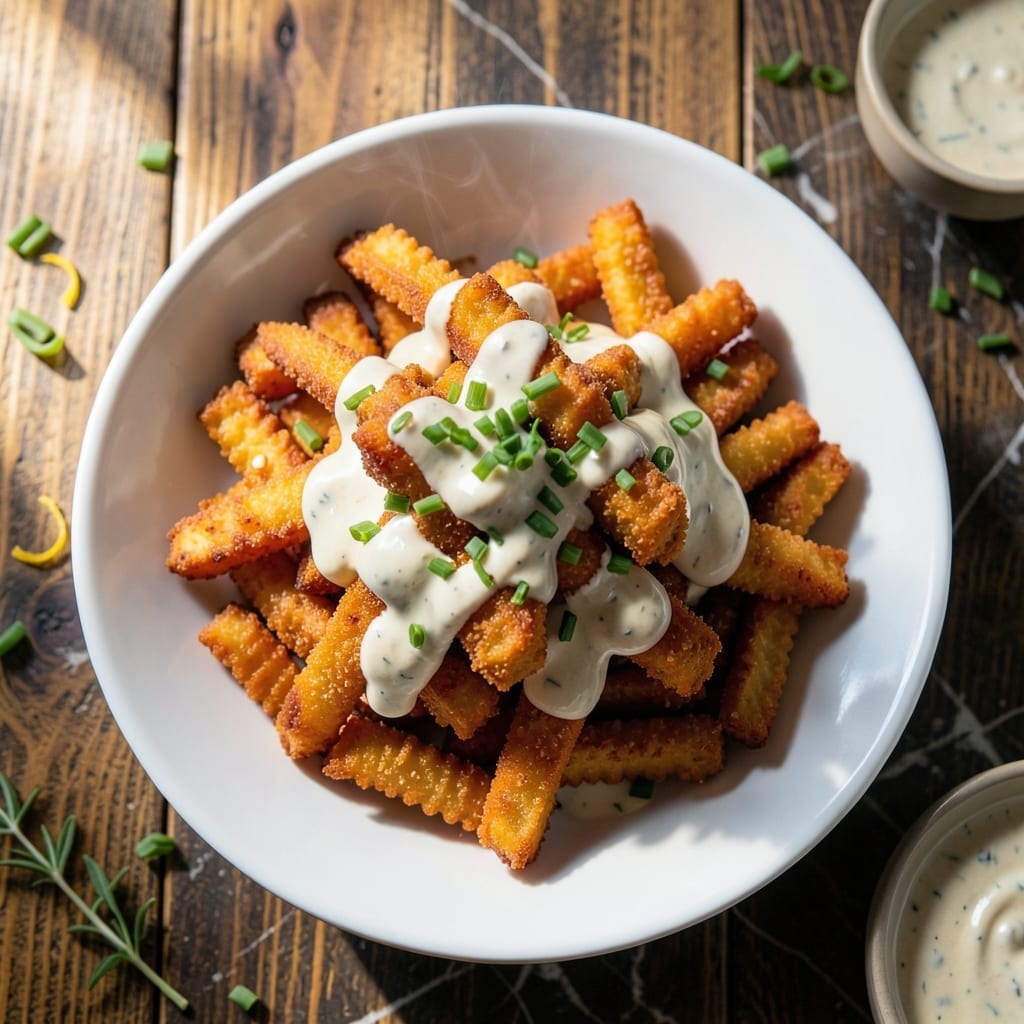
I’ve spent years perfecting this method to recreate that signature fast-food crispiness at home. The secret lies in the double-coating technique and precise frying temperature that guarantees a crispy exterior every time.
This approach uses simple ingredients but requires attention to detail—maintaining 350°F oil temperature is non-negotiable for achieving that golden, shatteringly crispy finish without drying the chicken inside.
What emerges from the fryer are perfectly seasoned, crispy sticks with juicy interiors that taste just like the original. The coating stays put during frying, preventing the dreaded bare spots that ruin lesser versions.
For those avoiding deep-frying, I’ve included foolproof air-fryer and oven-baked alternatives that come remarkably close to the real deal.
Ingredients for Bk Chicken Fries
Standard pantry items plus chicken transform into that iconic crispy fast-food experience at home.
| Ingredient | Amount | Notes |
|---|---|---|
| Chicken Tenders 🍗 | 1 ½ lb | Cut into 1-inch thick strips |
| All-Purpose Flour 🌾 | 1 ½ cups | For initial dredging coat |
| Large Eggs 🥚 | 2 whole | Beaten for binding wash |
| Buttermilk 🥛 | 1 cup | Full-fat for best adhesion |
| Cornstarch 🌾 | ½ cup | For extra crispiness |
| Baking Powder 🧂 | 1 tsp | Helps coating puff slightly |
| Salt 🧂 | 2 tsp | Divided for seasoning layers |
| Black Pepper 🌶️ | 1 tsp | Freshly ground preferred |
| Garlic Powder 🧄 | 1 tsp | Fine grind for even distribution |
| Onion Powder 🧅 | 1 tsp | Complements the garlic |
| Paprika 🌶️ | 1 tsp | Sweet or smoked variety |
| Peanut Oil 🫒 | 4 cups | High smoke point for frying |
| Dried Parsley 🍃 | 1 tsp | For final seasoning dust |
| MSG 🧂 | ½ tsp | Optional for umami boost |
The chicken quality is non-negotiable. Boneless, skinless chicken tenders yield the most consistent strips—avoid breasts, which dry out. ButcherBox or Costco offer reliable sources. For the coating, White Lily flour (if available in your region) creates an exceptionally tender crumb. The buttermilk must be full-fat; reduced-fat versions lack the acidity needed for proper adhesion to the chicken.
No buttermilk? Whole milk with 1 tbsp vinegar per cup works identically. For gluten-free versions, rice flour plus cornstarch at a 1:1 ratio replaces the all-purpose flour. The paprika can be smoked or sweet depending on preference. Peanut oil is ideal for frying, but vegetable or canola oil are acceptable substitutes with slightly lower smoke points.
The coated chicken strips can rest in the fridge for up to 2 hours before frying. Store leftover oil in a cool, dark place for up to 1 month (strain through cheesecloth first). Cooked chicken fries keep in the fridge for 3-4 days but are best eaten immediately for maximum crispiness.
Why You’ll Love This Recipe
- One Bowl Wonder: I mix the flour, cornstarch, and buttermilk right in the same bowl—no extra dishes to wash.
- Crispy Perfection: That buttermilk soak keeps the chicken tenders juicy inside while the cornstarch gives them that irresistible crunch.
- Crowd Pleaser: Honestly, these disappear faster than any appetizer I’ve made, and they’re just as good cold the next day.
- Budget Friendly: A bag of chicken tenders and pantry staples stretch further than takeout, and I’ll be real: no one notices the difference.
Step-by-Step Instructions for Crispy Chicken Fries
Here is the professional method that delivers fast-food level crispiness with a perfect crunch.
Step 1: Season and Prepare the Chicken
Cut the 1.5 lb chicken tenders into 1-inch thick strips for uniform cooking and optimal crispiness. Pat them dry thoroughly with paper towels—moisture is the enemy of a good crust.
Season the chicken lightly with 1 tsp salt, 1 tsp black pepper, 1 tsp garlic powder, 1 tsp onion powder, and 1 tsp paprika. This initial seasoning builds flavor from the inside out. Set aside while you prepare the coating stations.
Step 2: Create the Multi-Layer Breading
In a large bowl, whisk together the 2 whole large eggs and 1 cup buttermilk until fully combined. This wet mixture provides the perfect binding for your dry ingredients to adhere to the chicken.
In a separate shallow dish, combine the 1.5 cups all-purpose flour, 0.5 cup cornstarch, 1 tsp baking powder, 1 tsp salt, and 0.5 tsp MSG. The cornstarch is key for that extra crispy texture, while the baking powder helps the coating puff slightly during frying.
Dredge each piece of chicken in the flour mixture, pressing firmly to ensure full coverage. Shake off excess, then dip in the buttermilk-egg wash, allowing excess to drip off. Finally, return to the flour mixture for a second coating, pressing again for maximum adhesion.
Step 3: Fry to Golden Perfection
Heat 4 cups peanut oil in a deep, heavy-bottomed pot to 350°F. Use a deep-fry thermometer for accuracy—this temperature ensures even cooking without burning the exterior before the interior is done.
Working in batches to avoid overcrowding, carefully lower the breaded chicken strips into the hot oil. Fry for 4-5 minutes per side until deep golden brown and the internal temperature reaches 165°F. The pieces should float and bubble actively during frying.
Transfer the cooked chicken fries to a wire rack set over a baking sheet to drain excess oil. This prevents sogginess that can occur when draining on paper towels.
Step 4: Season and Serve Immediately
While still hot, dust the chicken fries with 1 tsp dried parsley for a touch of color and herbaceous flavor. The parsley adds a subtle freshness that balances the richness of the fried coating.
Serve immediately while hot and crispy. The contrast between the crunchy exterior and tender interior should be pronounced. For the authentic experience, pair with your favorite dipping sauces and enjoy the same satisfaction as the fast-food original.
Pro Tips For Making Bk Chicken Fries
- Double Dredge: Dip the tenders in flour, then buttermilk, then flour again—this extra step gives that signature BK crunch. I learned this the hard way after my first batch came out sad and flimsy.
- Rest the Chicken: Let the dredged tenders sit for 10 minutes before frying. Sounds weird, but it works: the coating adheres better and doesn’t slide off mid-fry.
- Hot Oil Only: Heat your oil to 350°F and keep it steady. After burning three batches, I finally figured out that lukewarm oil = greasy, soggy fries.
- Add Cornstarch: Swap 2 tablespoons of flour for cornstarch in your dredge. My grandmother swore by this, and she was right: it makes the crust lighter and crispier.
Storing and Reheating Leftovers
Refrigerator Storage
Let the chicken fries cool completely before storing to prevent condensation. Place in a single layer on a paper towel-lined airtight container. They’ll keep for 3-4 days at 40°F or below. 🥶
Freezer Storage
For longer storage, freeze in a single layer on a baking sheet first, then transfer to a freezer bag. Squeeze out excess air to prevent freezer burn. They’ll stay fresh for up to 2 months at 0°F.
Air Fryer Reheating
Preheat your air fryer to 375°F for 3 minutes. Arrange chicken fries in a single layer and reheat for 3-4 minutes. Shake halfway for even crisping.
Oven Reheating
Preheat oven to 400°F and place fries on a wire rack over a baking sheet. Reheat for 8-10 minutes, flipping once. This method revives crispiness almost like fresh.
Avoid Microwaving
Microwaving will make them soggy, but if you must, use 50% power in 30-second bursts. Pat dry with a paper towel after to remove excess moisture.
Nutrition Facts
Frequently Asked Questions
Can I use chicken breast instead of tenders?
Yes, but cut into 1-inch strips and pound to even thickness. Breast dries out faster, so reduce frying time to 3-4 minutes per side to maintain juiciness.
What’s the best oil for frying?
Peanut oil is ideal for its high smoke point and neutral flavor. Vegetable or canola oil work too, but avoid olive oil—it burns at frying temps.
How do I keep them crispy after frying?
Drain on a wire rack, not paper towels. Keep warm in a 200°F oven on a rack while frying batches to prevent sogginess.
Why did my coating fall off?
This usually means the chicken wasn’t dry before dredging or the oil wasn’t hot enough. Ensure 350°F oil and pat strips completely dry first.

- Jollof Rice Sauce Recipe: West African Tomato and Spice Infusion - September 25, 2026
- Japanese Rice Soup Recipe: Umami-Rich Comfort in a Bowl - September 25, 2026
- Homemade Cream Of Rice Recipe: Silk-Smooth Breakfast in Minutes - September 25, 2026