
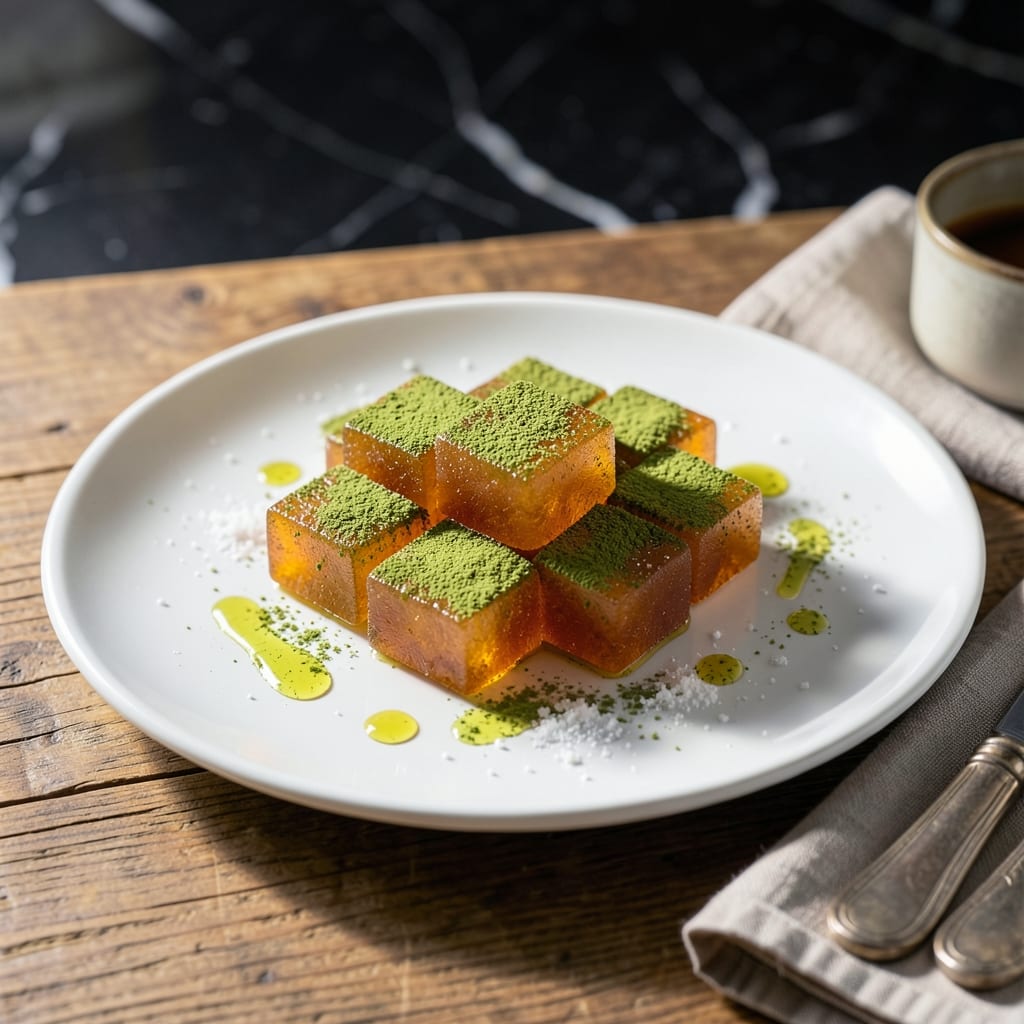
This traditional Japanese candy delivers a delightful chewy texture that melts in your mouth. I discovered botan rice candy while exploring international sweets, and its unique mouthfeel immediately stood out.
The process requires patience and precision, transforming simple ingredients into those signature stretchy strands. The key lies in proper cooking temperatures and careful pulling to achieve the right consistency.
What emerges is a confection that’s both nostalgic and exotic, with a subtle sweetness and satisfying resistance. The final pulling step creates those distinctive layers that make this treat so special.
Perfect for gift-giving or enjoying with tea, this recipe preserves authentic techniques while adapting to home kitchens. Here’s how to make it properly.
Ingredients for Botan Rice Candy
Simple traditional ingredients transform into this delightful Japanese chewy candy with subtle sweetness.
| Ingredient | Amount | Notes |
|---|---|---|
| Glutinous Rice Flour 🌾 | 2 cups | Also called sweet rice flour |
| Granulated Sugar 🍚 | 1 cup | Fine white sugar preferred |
| Water 💧 | ¾ cup | Filtered for best results |
| Cornstarch 🌾 | 2 tbsp | For dusting work surface |
| Matcha Green Tea Powder 🍵 | 1 tsp | Optional for flavoring |
| Vegetable Oil 🫒 | 1 tsp | For greasing hands |
| Vanilla Extract 🌿 | ½ tsp | Pure extract recommended |
| Salt 🧂 | ¼ tsp | Fine sea salt |
| Agave Nectar 🍯 | 1 tbsp | Vegan sweetener alternative |
| Lemon Juice 🍋 | ½ tsp | Freshly squeezed |
The glutinous rice flour is essential—look for brands like Mochiko or Shiratamako at Asian markets or Amazon. Don’t substitute regular rice flour; the texture won’t be right. Matcha powder adds a traditional flavor and color (use ceremonial grade for best results). For the sugar, standard granulated works, but finer grains dissolve more smoothly during cooking.
No matcha? Skip it—the base recipe is delicious plain. Agave or maple syrup can replace the sugar at a 1:1 ratio, though texture may vary slightly. Vegetable oil can be swapped for any neutral oil (like canola or sunflower). If you’re avoiding vanilla, a pinch of citrus zest adds a nice aromatic touch.
Store in an airtight container at room temperature for up to 1 week. For longer storage, wrap individual pieces in parchment and freeze for 1 month. The candy is best enjoyed fresh, when the texture is most elastic and chewy.
Why You’ll Love This Recipe
- One Bowl Wonder: I just dump the glutinous rice flour, sugar, and water in a single bowl—no fancy tools, no fuss.
- Matcha Magic: That earthy matcha powder gives it a subtle bittersweet kick that’s ridicuously good.
- Gift Ready: I wrap these in little parchment squares and suddenly I’m the favorite at potlucks.
- Stays Fresh: Honestly, they keep for days in an airtight container, so I can make a batch ahead without stress.
Step-by-Step Instructions for Botan Rice Candy
This traditional method ensures the authentic chewy texture and delicate sweetness of Japanese botan rice candy.
Step 1: Prepare the Dough Base
In a saucepan, combine the 2 cups Glutinous Rice Flour, 1 cup Granulated Sugar, and 0.25 tsp Salt. Gradually whisk in the 0.75 cup Water until the mixture is smooth and free of lumps. This step creates the foundation for your candy’s signature elasticity.
Place the saucepan over medium heat and stir continuously with a wooden spoon. The mixture will thicken significantly within 5-7 minutes. You’ll know it’s ready when it forms a cohesive, slightly translucent dough that pulls away from the sides of the pan. Avoid high heat, as it can cause scorching or uneven cooking.
Step 2: Incorporate Flavorings
Remove the pan from heat and let the dough cool for 2-3 minutes. Stir in the 1 tsp Matcha Green Tea Powder, 1 tsp Vegetable Oil, 0.5 tsp Vanilla Extract, 1 tbsp Agave Nectar, and 0.5 tsp Lemon Juice. The matcha adds a subtle earthy note, while the agave and lemon balance the sweetness with depth.
Continue stirring until all ingredients are fully integrated and the dough is uniform in color. If the mixture feels too sticky, let it rest for another 2 minutes—this allows the glutinous rice flour to absorb residual moisture. The dough should be pliable and slightly tacky but not wet.
Step 3: Dust and Shape the Candy
Generously dust your work surface with 1 tbsp Cornstarch (reserve the remaining 1 tbsp for later). Transfer the dough onto the surface and dust your hands with additional cornstarch to prevent sticking. Divide the dough into 4 equal portions, as this recipe serves four.
Roll each portion into a long, thin rope about ½-inch thick. Use a sharp knife to cut the ropes into 1-inch pieces. For traditional botan rice candy, roll each piece into a small ball, then flatten slightly to create the classic peony (botan) shape. The cornstarch keeps the dough manageable while maintaining a smooth finish.
Step 4: Set and Store
Place the shaped candies on a parchment-lined tray and let them rest at room temperature for 1 hour. This allows the outer layer to dry slightly, forming a delicate skin that enhances the chewy texture. You’ll notice the candies firm up but remain soft to the touch.
Store the candies in an airtight container at room temperature for up to 5 days. If the candies stick together, lightly dust them with the remaining cornstarch before sealing. The flavor intensifies over time, with the matcha and vanilla notes becoming more pronounced.
Pro Tips For Making Botan Rice Candy
- Steam Evenly: Cover the steamer with a tight lid and resist the urge to peek—trapped steam is what gives botan rice candy its signature chewy texture. I learned this the hard way after my first batch came out dense and gummy.
- Sift the Flour: Always sift the glutinous rice flour and matcha powder together before mixing with water. This breaks up clumps and guarantees a smooth, lump-free dough.
- Skip Overmixing: Once the dough comes together, stop kneading—overworking it develops too much gluten, making the candy tough instead of delicate.
- Cornstarch Dusting: Dust your work surface and hands with cornstarch, not flour, when shaping the candies. It prevents sticking without altering the flavor or texture.
Wine and Beer Pairings for botan rice candy
Tea Pairings
Japanese green tea is the classic match for botan rice candy. I love serving it with sencha—its grassy, slightly astringent notes cut through the sweetness beautifully. Genmaicha (brown rice tea) also works well, enhancing the rice flour base with its toasty aroma. 🍵
Sake Selections
A chilled nigori sake pairs wonderfully, as its creamy texture mirrors the candy’s chewiness. I recommend Tyku Nigori for its approachable sweetness and smooth finish. For contrast, try a dry junmai sake to balance the candy’s sugar content.
Light Beers
Crisp, light beers like Asahi Super Dry or Sapporo cleanse the palate between bites. Their mild bitterness and effervescence prevent the candy from feeling too rich. I always keep a few chilled for guests who prefer beer over tea. 🍺
Dessert Wines
A glass of moscato d’Asti from Italy offers a delightful pairing with its light fizz and honeyed notes. The low alcohol content won’t overpower the delicate flavors of the candy. Serve it chilled for the best experience.
Non-Alcoholic Options
For a caffeine-free choice, barley tea (mugicha) is refreshing and nutty. I also enjoy lychee tea for its floral sweetness that complements the candy’s subtle vanilla and matcha undertones. Both are easy to find at Asian markets.
Nutrition Facts
Frequently Asked Questions
Can I use regular rice flour instead of glutinous?
No, regular rice flour won’t give the right chewy texture. Glutinous rice flour (like Mochiko) is essential for that signature stretchy consistency. The proteins in glutinous flour create the elasticity you need.
Why did my candy turn out hard?
Overcooking is the most common cause. Keep the heat at medium and stir constantly for just 5-7 minutes. If it thickens too fast, reduce heat immediately. Resting the dough for 2 minutes helps prevent hardness.
How do I store these for gift-giving?
Wrap individual pieces in parchment paper, then place in an airtight container. They’ll keep at room temperature for 5 days. For longer storage, freeze for up to 1 month—thaw at room temperature before serving.

- Jollof Rice Sauce Recipe: West African Tomato and Spice Infusion - September 25, 2026
- Japanese Rice Soup Recipe: Umami-Rich Comfort in a Bowl - September 25, 2026
- Homemade Cream Of Rice Recipe: Silk-Smooth Breakfast in Minutes - September 25, 2026