
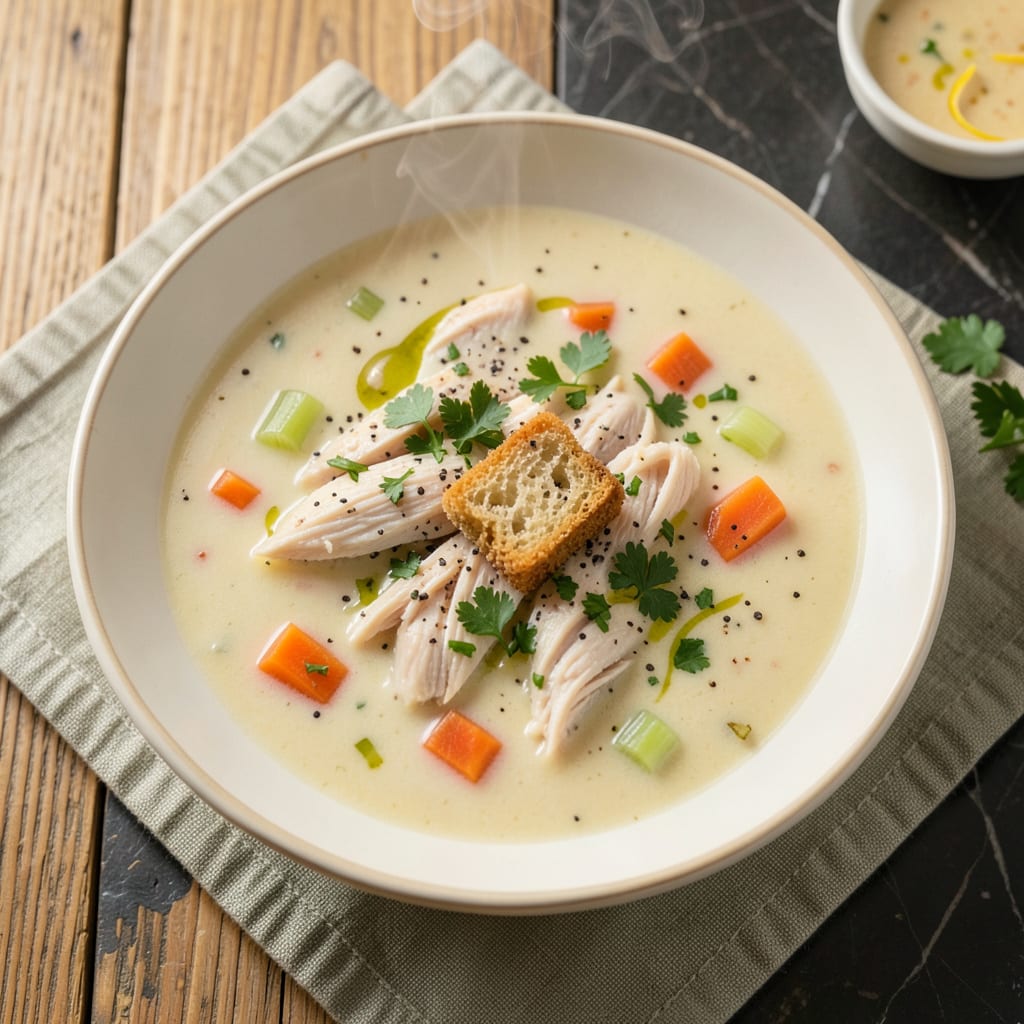
Yes, cream of chicken soup can be frozen for up to 3 months, but texture changes may occur due to dairy separation. Homemade versions freeze better than canned. Thaw slowly in the fridge for best results.
Freezing creamy soups is all about managing the dairy components. 🔥 The fat molecules in cream tend to separate when frozen, which is why you might notice a grainier texture after thawing. I’ve found that homemade batches hold up better because they often contain fewer stabilizers than canned varieties. The key is controlling the thawing process—rapid temperature changes shock the emulsion, while gradual fridge thawing gives the ingredients time to reintegrate naturally.
What many don’t realize is that the soup’s base ingredients play a huge role in freezer success. 💫 Soups with roux-thickened bases or those made with whole milk rather than heavy cream tend to fare better. I always recommend testing a small portion first if you’re unsure about a particular recipe’s freezer compatibility.
💡 In This Article
- How Freezing Affects Cream of Chicken Soup Texture
- Step-by-Step Guide to Freezing and Thawing Cream of Chicken Soup
How Freezing Affects Cream of Chicken Soup Texture
The science behind freezing cream-based soups comes down to emulsion breakdown. When you freeze cream of chicken soup, the water content forms ice crystals that physically separate from the fat molecules in the dairy. This happens because fat and water have different freezing points—water crystallizes at 32°F, while butterfat remains semi-solid until about 30°F.
The result? A broken emulsion that appears grainy or curdled when thawed. ✨
Canned versions often contain stabilizers like carrageenan or modified food starch (typically 0.5-1% of the ingredients) that help maintain texture. These additives create a protective network around fat globules, slowing separation.
Homemade soups lack these stabilizers, but their higher fat content (often 10-12% from heavy cream vs 6-8% in canned) can actually help them recombine better during thawing when handled properly. The protein structure in homemade roux also provides more natural stabilization than commercial thickeners. 🔥
Temperature fluctuations during freezing cause the most damage. Each degree change above 25°F creates expansion and contraction in the ice crystals, further disrupting the emulsion. This is why deep freezers (0°F or below) preserve texture better than refrigerator freezer compartments (10-15°F).
The slower the freezing process, the larger the ice crystals form—imagine jagged ice shards versus fine snowflakes at a microscopic level. 💫
Thawing method makes a dramatic difference in recovery. Rapid microwave thawing shocks the separated components, while refrigerator thawing (typically 12-24 hours) allows the fat and water phases to gradually realign. I’ve found that gently whisking the soup while reheating at low heat (never boiling) helps restore about 70-80% of the original creaminess.
The remaining texture difference comes from permanent protein denaturation in the dairy—a process that begins immediately when temperatures drop below 36°F. ⚡
Pro tip: Soups with starch-based thickeners (like flour or cornstarch) freeze more successfully than those thickened solely with cream. The starch granules absorb free water during thawing, reducing the liquid available to form large ice crystals.
This is why classic cream of chicken recipes with a proper roux base tend to hold up better than modern “quick” versions that rely on cream alone for thickness. 🌟
Consider the fat content ratio in your specific recipe:
- High-fat (12%+): Freezes best, recombines easiest
- Medium-fat (6-10%): May need whisking during reheating
- Low-fat (<5%): Highest risk of permanent separation
The chicken particles themselves handle freezing well—their protein structure remains stable down to -4°F. It’s always the dairy components that determine the final texture.
I recommend straining and re-emulsifying with a splash of fresh cream if you’re serving to guests, as this masks any remaining graininess beautifully. 💛

- Jollof Rice Sauce Recipe: West African Tomato and Spice Infusion - September 25, 2026
- Japanese Rice Soup Recipe: Umami-Rich Comfort in a Bowl - September 25, 2026
- Homemade Cream Of Rice Recipe: Silk-Smooth Breakfast in Minutes - September 25, 2026