
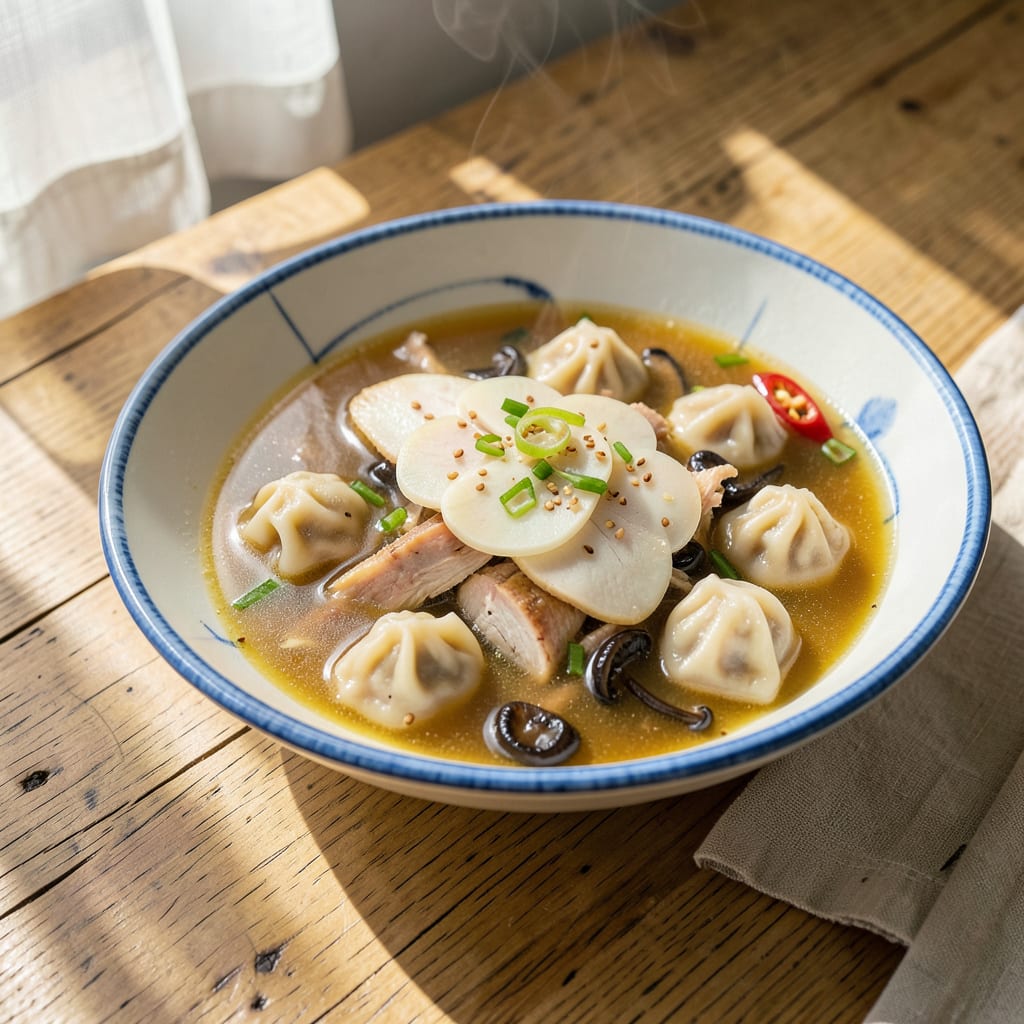
Chicken juice is the rich, flavorful liquid collected from roasted or braised chicken, made by reducing pan drippings with aromatics like garlic, herbs, and a splash of broth or wine. It’s perfect for gravies, sauces, or marinades.
This golden liquid is essentially the concentrated essence of your chicken dish. When you roast or braise chicken, the natural juices, fat, and caramelized bits left in the pan create a foundation for incredible depth of flavor. 🔥 I always recommend deglazing the pan with a bit of liquid to lift those browned bits—this simple step unlocks layers of umami that would otherwise go to waste. The beauty of this technique lies in its versatility: you can adjust the intensity by controlling reduction time, or customize the profile with different herbs and spices.
💡 In This Article
- How Chicken Drippings Transform into Flavorful Juice
- 5 Creative Ways to Use Chicken Juice in Cooking
How Chicken Drippings Transform into Flavorful Juice
The magic begins with the Maillard reaction—the chemical process where amino acids and reducing sugars in chicken skin and meat create hundreds of new flavor compounds when exposed to heat above 280°F. These reactions produce the golden-brown crust on roasted chicken and the caramelized bits stuck to your pan.
🔥 The deeper the browning, the more complex the flavor foundation for your juice.
When you remove the chicken from the pan, you’re left with a mix of rendered fat, meat juices, and those precious browned bits called fond. The key step is deglazing—adding 1/4 to 1/2 cup of liquid (wine, broth, or even water) to the hot pan.
The liquid rapidly boils, dissolving the fond while creating steam that lifts flavors from the pan surface. I always use a wooden spoon to scrape aggressively during this process—it’s where 80% of your flavor comes from.
Fat separation becomes critical next. As the liquid cools slightly, the rendered chicken fat rises to the surface. You can either skim this off for a leaner juice or emulsify it back in for richness. For gravies, I recommend keeping about 2 tablespoons of fat per cup of liquid—enough for body without greasiness.
The remaining liquid then gets reduced by 30-50% to concentrate flavors, with aromatics like garlic or thyme added during the last 5 minutes of reduction.
Roasted chicken produces more concentrated drippings than braised due to higher heat exposure. With braised chicken, you’re working with a gentler process (300-325°F for hours), so the juice develops deeper collagen-based body but less caramelized intensity. I compensate by reducing braising liquid by 60-70% to achieve similar potency to roasted chicken juice.
The science doesn’t stop at flavor—texture matters too. The gelatin released from chicken connective tissue during cooking gives properly made juice a silky mouthfeel. This is why chicken juice made from whole birds (with skin and bones) always outperforms breast-only versions.
✨ The gelatin content also means your juice will thicken slightly when cooled, then return to liquid when reheated—a useful property for sauces.
Pro tip: For maximum depth, combine techniques. Start by roasting chicken at 425°F to develop fond, then braise it in liquid. The resulting juice will have both caramelized complexity and collagen-rich body. This hybrid method is my secret for restaurant-quality results at home.

- Jollof Rice Sauce Recipe: West African Tomato and Spice Infusion - September 25, 2026
- Japanese Rice Soup Recipe: Umami-Rich Comfort in a Bowl - September 25, 2026
- Homemade Cream Of Rice Recipe: Silk-Smooth Breakfast in Minutes - September 25, 2026