
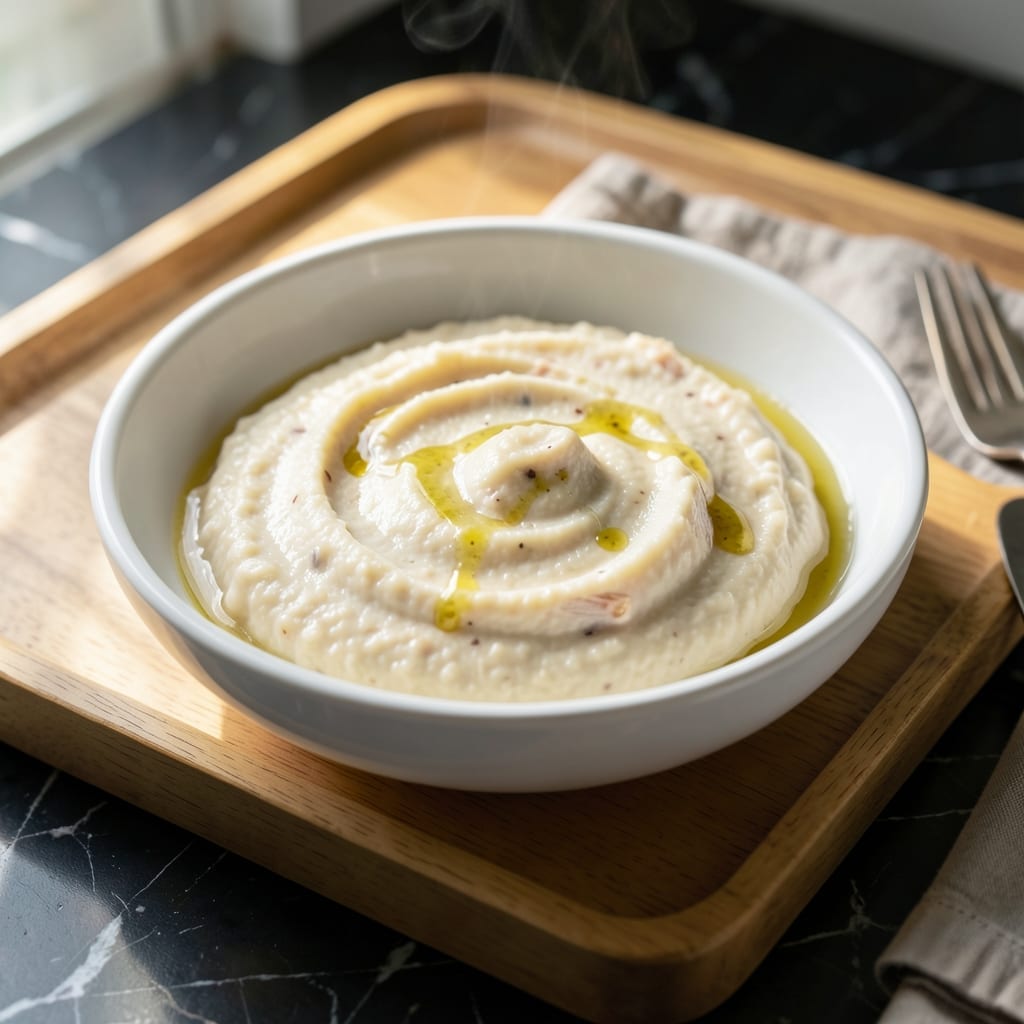
Introducing your baby to solid foods is an exciting milestone, and this chicken puree offers a gentle, nutrient-rich start. The smooth texture and mild flavor make it an ideal first food for little ones ready to explore beyond breastmilk or formula.
I developed this recipe with pediatric nutrition guidelines in mind, ensuring it’s soft, easy to digest, and free from added salt or seasonings. Using just 2 simple ingredients, this puree packs protein and essential nutrients to support your baby’s growth.
The process is straightforward: poach the chicken until tender, then blend with a touch of liquid until perfectly smooth. The result is a velvety puree that’s as nourishing as it is gentle on developing tummies.
Serve warm or at room temperature, adjusting thickness with breastmilk, formula, or water as needed. This foundational recipe can be expanded as your baby’s palate grows.
Ingredients for Chicken Puree Recipe for Baby
Just chicken and liquid—pure, simple nourishment for your little one’s first solid food adventure.
| Ingredient | Amount | Notes |
|---|---|---|
| Boneless Skinless Chicken Breast 🍗 | ½ lb | Poached until fully tender |
| Water 💧 | 1 cup | For poaching and blending |
| Breastmilk 🍼 | ¼ cup | Optional for thinning puree |
| Baby Formula 🥛 | ¼ cup | Optional for thinning puree |
The chicken should be fresh, not frozen (unless thawed properly). Boneless, skinless breasts are ideal—no tough bits to blend through. I grab mine from Whole Foods or Trader Joe’s since their quality is consistent. If using organic, even better (fewer additives). Poach it gently—no boiling fierce enough to dry it out. You want it fall-apart tender for the smoothest texture.
No breastmilk or formula on hand? Filtered water works fine for thinning the puree. If you’ve only got chicken thighs, they’re richer but higher in fat—use half the amount and trim visible fat first. Short on time? Pre-cooked rotisserie chicken (plain, no seasoning) can work in a pinch, but fresh poached gives the cleanest flavor for baby’s developing palate.
Store in airtight containers for up to 3 days in the fridge or freeze for 3 months. Portion into ice cube trays for single-serving sizes (each cube = ~1 oz). Thaw overnight in the fridge or warm gently—never microwave straight from frozen (hot spots can burn baby’s mouth).
Why You’ll Love This Recipe
- 20-Minute Meal: I can steam, blend, and serve this puree faster than the oven preheats.
- Mild & Comforting: The chicken and breastmilk combo is so gentle it’s become my go-to first protein for the baby.
- Batch & Freeze: I make a double batch on Sunday and freeze in ice cube trays—perfect portions for the whole week.
- Budget Stretch: One chicken breast yields six meals, and I already have water and formula on hand.
Step-by-Step Instructions for Chicken Puree
Here’s the method I use to create a perfectly smooth, nutrient-packed puree for your little one.
Step 1: Poach the Chicken Breast
Place the 0.5 lb boneless skinless chicken breast in a small saucepan and add the 1 cup water. The water should cover the chicken completely—if it doesn’t, add a splash more to ensure even cooking. Bring to a gentle simmer over medium heat.
Reduce the heat to low and let the chicken poach for 15-18 minutes until it’s fully cooked and no longer pink in the center. You’ll know it’s done when the internal temperature reaches 165°F or when the meat shreds easily with a fork. This method keeps the chicken tender and moist, perfect for blending.
Step 2: Cool and Prepare for Blending
Remove the chicken from the water and transfer it to a cutting board. Let it cool for 10-15 minutes—this step is crucial to avoid burning yourself when blending. Reserve the poaching water; you’ll use it to thin the puree if needed.
Once the chicken is cool enough to handle, shred it into small chunks using two forks. This makes it easier for the blender to create a silky-smooth texture. If the chicken seems dry, don’t worry—the reserved poaching water will help achieve the right consistency.
Step 3: Blend into a Smooth Puree
Add the shredded chicken to a blender or food processor. Start with about ¼ cup of the reserved poaching water and blend on high speed for 1-2 minutes. Stop and scrape down the sides as needed to ensure everything is evenly incorporated.
The goal is a completely smooth texture without any lumps. If the puree is too thick, add more of the reserved water, 1 tablespoon at a time, until it reaches your desired consistency. Remember, babies prefer thinner purees when they’re just starting solids.
Step 4: Thin with Breastmilk or Formula (Optional)
For added creaminess and nutrition, you can thin the puree further with the 0.25 cup breastmilk or 0.25 cup baby formula. Add it gradually, blending after each addition until you achieve a smooth, pourable consistency.
I like to use breastmilk for its natural sweetness and added nutrients, but baby formula works just as well if that’s what you have on hand. This step is optional but highly recommended for younger babies who are still getting used to new flavors and textures.
Step 5: Serve or Store for Later
Once you’ve achieved the perfect texture, transfer the puree to small serving containers. Let it cool completely before serving. For storage, you can refrigerate the puree in an airtight container for up to 3 days, or freeze it in ice cube trays for up to 3 months.
When ready to serve, warm the puree gently in a saucepan or microwave, stirring well to ensure even heating. Always test the temperature before feeding it to your baby—it should be lukewarm, not hot. This ensures a safe and enjoyable first food experience.
Pro Tips For Making Chicken Puree Recipe For Baby
- Poach, Don’t Boil: Simmer the chicken breast in water at a gentle bubble—never a rolling boil. I learned this the hard way after ending up with rubbery, dry chicken that no amount of pureeing could save.
- Trim the Fat: Even boneless, skinless chicken breast can have bits of fat or sinew. Take 30 seconds to trim them off before cooking—babies don’t need that, and it makes the puree smoother.
- Skip the Formula: If you’re using breastmilk, add it at the end instead of cooking with it. Heating breastmilk or formula too long destroys some nutrients, and I was skeptical until I tried it—now it’s non-negotiable.
- Cool Before Blending: Let the chicken cool for 5-10 minutes after poaching before pureeing. Hot liquids expand, and blending them can create a messy, uneven texture—plus, it’s safer for you and the blender.
Serving Suggestions for Leftovers
First Servings
Start with 1-2 teaspoons of puree on a soft spoon for baby’s first taste. I always offer it at room temperature—babies are more receptive to new foods when they’re not too hot or cold. Watch for excitement or curiosity as little ones discover this new texture and flavor. 🥄
Texture Progression
As your baby gets comfortable, gradually thicken the puree by reducing the liquid slightly. By 6-8 months, you can leave it chunkier to encourage chewing. I notice my little ones enjoy exploring different consistencies as they develop.
Mixing Flavors
Once baby accepts chicken puree, try mixing in mashed sweet potato or steamed carrot for variety. These combinations introduce new tastes while keeping the familiar chicken base. The natural sweetness of veggies often makes the transition easier.
Serving Temperature
Always test the temperature before feeding—it should feel lukewarm on your wrist. I warm portions in a small saucepan with 1-2 teaspoons water to prevent drying. Never microwave directly from frozen, as it creates dangerous hot spots.
Feeding Frequency
Offer this puree 2-3 times per week as part of a varied diet. I like to alternate with other protein purees like turkey or lentils to provide different nutrients. Remember, breastmilk or formula remains the primary nutrition source for the first year.
Serving Tools
Use a soft, shallow spoon designed for babies—silicone spoons work well. I prefer the ones with a long handle for easy reach. A small bowl with a suction base prevents spills during those early, enthusiastic attempts at self-feeding. 💡
Nutrition Facts
Frequently Asked Questions
Can I use chicken thighs instead of breast?
Yes, but use half the amount and trim visible fat first. Thighs are richer but higher in fat, which may be harder for some babies to digest. Stick to boneless, skinless cuts for the smoothest texture.
How do I know when the puree is smooth enough?
It should have no visible lumps and feel silky between your fingers. If needed, blend longer or add 1 tablespoon of liquid at a time until perfectly smooth. Babies prefer thinner textures when starting solids.
What if my baby doesn’t like it?
Try mixing with a familiar veggie like mashed sweet potato. Sometimes it takes 8-10 tries for babies to accept new flavors. Stay patient and keep offering small amounts.
Can I reheat the puree more than once?
No, only reheat once to prevent bacterial growth. Always heat just the portion you plan to serve, and discard any leftovers that have been on baby’s plate. Store properly in airtight containers.

- Jollof Rice Sauce Recipe: West African Tomato and Spice Infusion - September 25, 2026
- Japanese Rice Soup Recipe: Umami-Rich Comfort in a Bowl - September 25, 2026
- Homemade Cream Of Rice Recipe: Silk-Smooth Breakfast in Minutes - September 25, 2026