
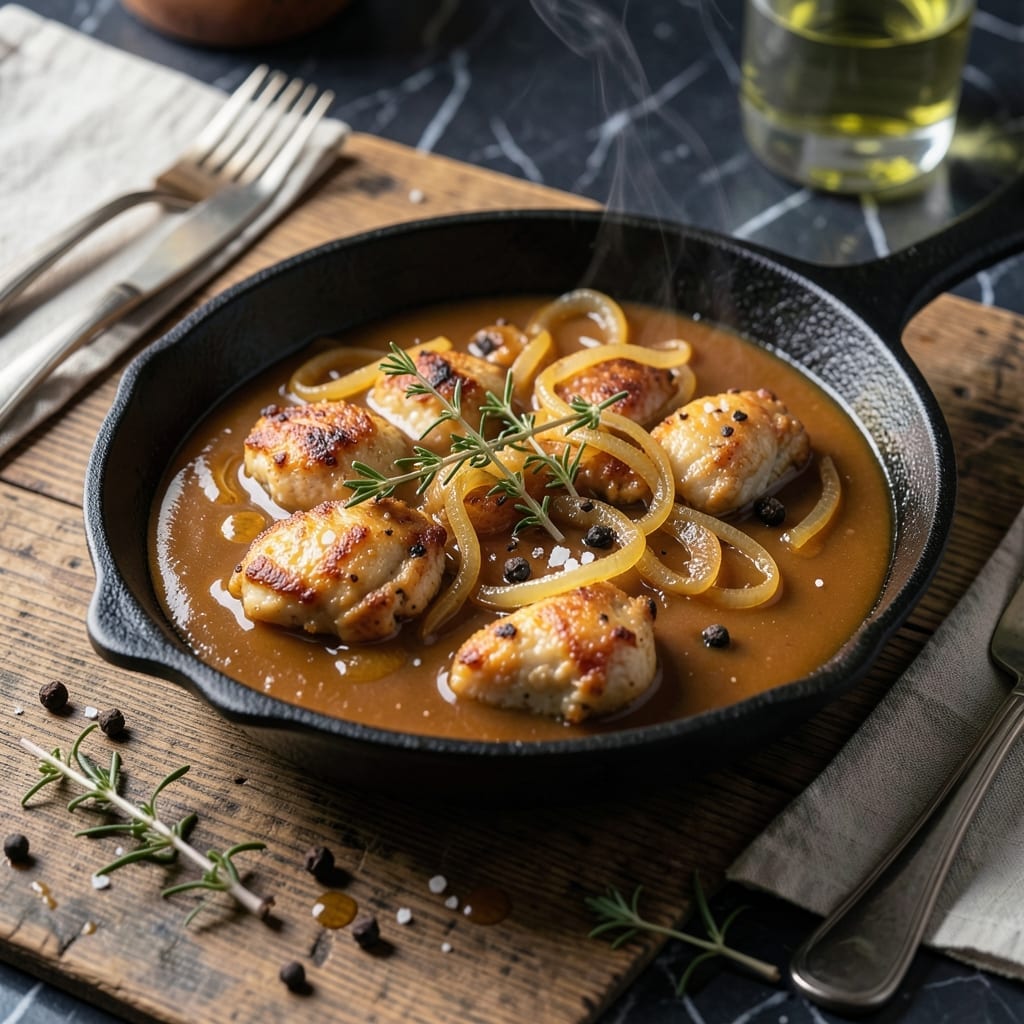
Chicken schmaltz is a cornerstone of traditional Jewish cooking, offering unmatched depth of flavor to countless dishes. This recipe reveals the simple yet precise method for rendering chicken fat into liquid gold.
The process involves gently cooking chicken skin and fat until the liquid separates, leaving behind crispy cracklings. The result is a rich golden fat that elevates everything from matzo balls to roasted vegetables.
Storing schmaltz properly ensures it remains fresh and ready to use whenever inspiration strikes. This versatile fat keeps for months in the refrigerator, maintaining its quality and flavor.
Master this technique, and you’ll have a game-changing ingredient that transforms your cooking with authentic, time-honored richness.
Ingredients for Chicken Schmaltz
Seven ingredients transform chicken fat into liquid gold for authentic Jewish cooking.
| Ingredient | Amount | Notes |
|---|---|---|
| Chicken Fat and Skin 🍗 | 2 lb | Trimmed from chicken thighs or wings |
| Yellow Onion 🧅 | 1 whole | Quartered for flavor base |
| Fresh Water 💧 | ½ cup | To prevent sticking initially |
| Kosher Salt 🧂 | 1 tsp | Diamond Crystal preferred for balance |
| Black Peppercorns 🌶️ | ½ tsp | Lightly crushed for subtle bite |
| Fresh Thyme Sprigs 🌿 | 3 pieces | Optional for aromatic depth |
| Bay Leaf 🍃 | 1 whole | For slow infusion during rendering |
The quality of chicken skin and fat is non-negotiable for proper schmaltz. Thighs and wings yield the most fat with the best flavor profile. Kosher butchers often sell skin and fat separately—ideal for this purpose. Avoid pre-ground chicken as it lacks sufficient fat content. For the onion, yellow or sweet varieties add subtle sweetness without overpowering the fat’s natural richness.
No chicken skin available? Render duck or goose fat using the same method, though the flavor profile will differ. Vegetable oil cannot substitute here—the entire point is the animal fat’s depth. The water prevents burning during initial rendering but evaporates completely. Omit the aromatics if you prefer a purer chicken fat flavor for specific applications.
Schmaltz solidifies when chilled. Store in an airtight container in the refrigerator for up to 6 months, or freeze for 1 year. The crispy cracklings keep for 1 week refrigerated—perfect for sprinkling over dishes or snacking. Always strain through fine cheesecloth for maximum clarity.
Why You’ll Love This Recipe
- One Pot Wonder: I just toss the fat, skin, onion, and spices in a pot and let it work its magic—no fuss, no complicated steps.
- Rich and Savory: The onion and peppercorns infuse the schmaltz with a depth that makes everything from roasted veggies to scrambled eggs taste ridiculously good.
- Pantry MVP: I use this for cooking, drizzling, even spreading on toast—it’s my secret weapon for adding flavor to almost any dish.
- Budget Stretch: Honestly, it turns leftover chicken fat into liquid gold, saving me money while making my meals taste better than ever.
Step-by-Step Instructions for Chicken Schmaltz
This traditional rendering method transforms chicken fat into liquid gold with deep, savory richness.
Step 1: Prepare the Fat and Aromatics
Begin by trimming the 2 lb Chicken Fat and Skin into 1-inch pieces—this exposes more surface area for even rendering. I use kitchen shears for this task, as they cut through the skin more cleanly than a knife.
Quarter the 1 whole Yellow Onion and lightly crush the 0.5 tsp Black Peppercorns with the flat side of your knife. This releases their aromatic oils without pulverizing them. The onion will caramelize during rendering, adding natural sweetness to balance the fat.
Step 2: Start the Rendering Process with Water
Place the chopped fat and skin in a heavy-bottomed saucepan or Dutch oven over medium-low heat. Add the 0.5 cup Fresh Water, 1 whole Bay Leaf, and 3 pieces Fresh Thyme Sprigs. The water prevents the fat from burning before it has a chance to render out.
Add the 1 tsp Kosher Salt and the quartered onion to the pan. As the water heats, it will begin to simmer, which helps break down the connective tissue in the skin, allowing the fat to release more efficiently.
Step 3: Slowly Render the Fat to Golden Perfection
Reduce the heat to low once the water has mostly evaporated—this should take about 20-25 minutes. You’ll notice the fat beginning to melt and pool in the pan. Stir occasionally to prevent the skin from sticking and to ensure even rendering.
The chicken skin will gradually turn deep golden brown and crisp as the fat renders. This is normal and desired—these crispy bits, called “gribenes,” are a delicious byproduct. Continue cooking for another 30-40 minutes until most of the fat has rendered out.
Step 4: Strain and Store the Finished Schmaltz
Once the skin pieces are crisp and golden and the fat has turned a rich amber color, remove the pan from the heat. Let it sit for 5 minutes to allow any remaining moisture to settle at the bottom of the pan.
Line a fine-mesh strainer with cheesecloth and set it over a heatproof bowl or jar. Carefully pour the hot liquid through the strainer. Discard the solids (or save the gribenes for another use). The strained schmaltz will keep in the refrigerator for up to 1 month or in the freezer for 6 months.
Pro Tips For Making Chicken Schmaltz
- Render Low and Slow: Keep the heat at medium-low—I learned this the hard way after burning two batches at high temp. The fat should melt gently, not fry.
- Dry the Skin First: Pat the chicken skin completely dry before rendering. Sounds weird, but it works: wet skin steams instead of crisping and releasing fat.
- Skip the Lid: Resist the urge to cover the pot. Trapped moisture makes the schmaltz cloudy and reduces its shelf life.
- Strain While Hot: Pour the rendered fat through a fine-mesh strainer immediately after cooking. Waiting until it cools makes the bits of skin and onion harder to separate.
Perfect Pairings for This chicken schmaltz
Traditional Uses
I love using this rich golden fat for matzo balls—it gives them an unmatched depth of flavor. The schmaltz replaces vegetable oil in a 1:1 ratio, creating soup dumplings that melt in your mouth. It’s a game-changer for holiday meals. 💛
Everyday Cooking
For daily cooking, schmaltz is perfect for sautéing onions or garlic before adding to dishes. Use 2 tbsp to start your chicken soup base, and you’ll taste the difference immediately. It adds a subtle richness that vegetable oil simply can’t match.
Roasted Vegetables
Toss root vegetables like carrots or potatoes with 1-2 tbsp schmaltz before roasting at 400°F. The fat’s high smoke point makes it ideal for this. I find the vegetables develop a beautiful caramelized crust and deeper flavor.
Baking Applications
Substitute schmaltz for butter or oil in pie crusts and biscuits. Use ½ cup chilled schmaltz for a standard 9-inch pie crust recipe. The result is a flakier texture with a savory note that pairs beautifully with sweet fillings.
Gribenes Bonus
Don’t discard those crispy cracklings! Sprinkle gribenes over latkes or mix into stuffing. They add a wonderful crunch and intense chicken flavor. I keep mine in the fridge for up to 1 week to use as a garnish.
Storage Pairings
Store schmaltz in glass jars with the gribenes in a separate container. This way, you can use the fat for cooking and the cracklings for topping. Both keep beautifully, ready to elevate your next dish. ✨
Nutrition Facts
Frequently Asked Questions
What parts of the chicken work best?
Thighs and wings yield the most fat with the best flavor. Skin-on pieces work best, as they contain the most fat. Avoid lean cuts like breasts, as they won’t render enough.
Why add water at the start?
The ½ cup water prevents burning during initial rendering. It helps break down connective tissue, allowing fat to release more efficiently before evaporating completely.
How do I know when it’s done?
The fat turns a rich amber color, and the skin becomes deep golden and crispy. This takes about 50-65 minutes total. The cracklings should be fully crisp, not chewy.
Can I reuse the leftover cracklings?
These gribenes keep for 1 week refrigerated. Sprinkle them over latkes, salads, or mix into stuffings for extra crunch and flavor.

- Jollof Rice Sauce Recipe: West African Tomato and Spice Infusion - September 25, 2026
- Japanese Rice Soup Recipe: Umami-Rich Comfort in a Bowl - September 25, 2026
- Homemade Cream Of Rice Recipe: Silk-Smooth Breakfast in Minutes - September 25, 2026