
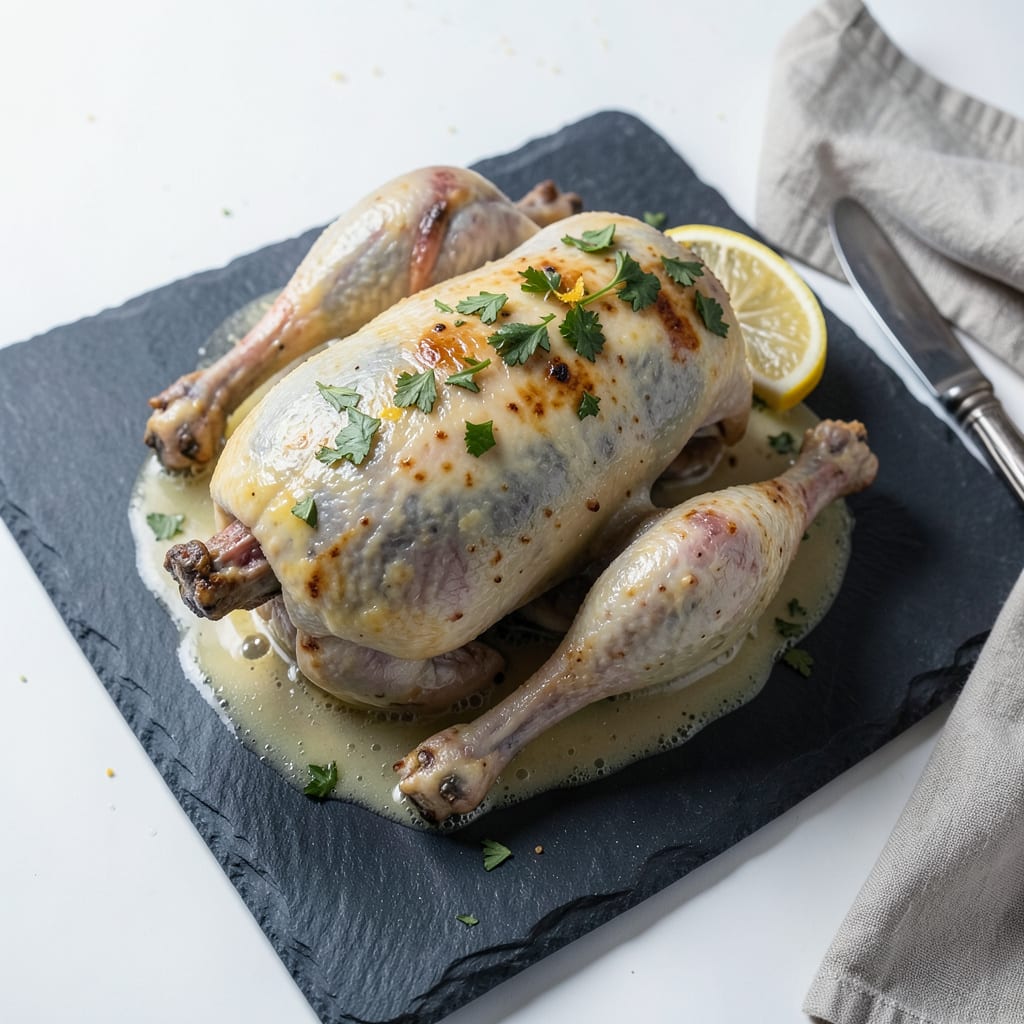
Chicken that smells like ammonia is unsafe to eat and should be discarded immediately. This strong chemical odor indicates bacterial spoilage or improper storage, often caused by exposure to high temperatures or prolonged refrigeration beyond its shelf life.
That sharp, chemical-like smell is your first warning sign that something’s seriously wrong. 🔥 I’ve seen cases where even slightly off chicken can develop this odor when bacteria like Salmonella or E. coli start breaking down proteins into ammonia compounds. What’s particularly dangerous is that this process can happen even if the chicken looks normal—color and texture aren’t always reliable indicators.
The risk isn’t just about taste—it’s about foodborne illness that can hit within hours. I always recommend the sniff test as your first line of defense, but remember: when in doubt, throw it out. The cost of wasting chicken is nothing compared to the potential health consequences of consuming spoiled poultry. ✨
💡 In This Article
- Why Spoiled Chicken Develops an Ammonia-Like Odor
- How to Prevent and Handle Ammonia-Smelling Chicken Safely
Why Spoiled Chicken Develops an Ammonia-Like Odor
The ammonia smell comes from bacterial action breaking down proteins in the chicken. When harmful bacteria like Salmonella, E. coli, or Campylobacter multiply, they release enzymes that decompose amino acids into volatile compounds—including ammonia.
This process accelerates dramatically at temperatures above 40°F, which is why leaving chicken unrefrigerated for even 2 hours can trigger this reaction. 🔥
What you’re smelling isn’t just surface contamination—it’s evidence of deep cellular breakdown. The ammonia odor becomes detectable when bacterial counts exceed 1 million CFU/g (colony-forming units per gram), a level that also indicates dangerous pathogen loads.
Unlike normal chicken aroma (which should be neutral or slightly meaty), ammonia smells sharp, chemical, and often burns your nasal passages upon deep inhalation. ✨
The danger lies in how quickly this happens. At room temperature (70°F), bacteria can double every 20-30 minutes. Even refrigerated chicken isn’t safe indefinitely—after 3-4 days, the cumulative bacterial activity often produces detectable ammonia. Freezing pauses this process, but improper thawing (like leaving chicken on the counter) reactivates the spoilage at an accelerated rate. 💫
Here’s what most people miss: the ammonia smell often appears before visible slime or discoloration. The bacteria consume sugars first, then proteins, releasing ammonia as a byproduct. This is why trustworthy food safety experts recommend the “when in doubt, throw it out” rule—your nose is detecting microbial activity that lab tests would confirm as unsafe.
⚡
Compare this to naturally occurring chicken odor, which might have a faint metallic or bloody smell from myoglobin in the meat. That’s normal. Ammonia smells like cleaning products or cat urine—a clear chemical warning sign. The USDA confirms this odor indicates advanced spoilage, regardless of the chicken’s appearance or packaging date. 💛
Temperature abuse is the #1 cause. Chicken left in a car trunk for 30 minutes on a 90°F day can develop ammonia smells within hours. Even your fridge might be too warm—anything above 38°F speeds up bacterial growth.
Commercial studies show that 60% of home refrigerators operate above this safe threshold without the owner realizing it. 🌟
The takeaway? That ammonia smell means proteins are being chemically altered by bacterial waste products. It’s not just “going bad”—it’s actively becoming hazardous. Your body’s disgust response to this odor is an evolved protection mechanism against foodborne pathogens that could cause severe illness within 6-24 hours of consumption. 💫

- Jollof Rice Sauce Recipe: West African Tomato and Spice Infusion - September 25, 2026
- Japanese Rice Soup Recipe: Umami-Rich Comfort in a Bowl - September 25, 2026
- Homemade Cream Of Rice Recipe: Silk-Smooth Breakfast in Minutes - September 25, 2026