
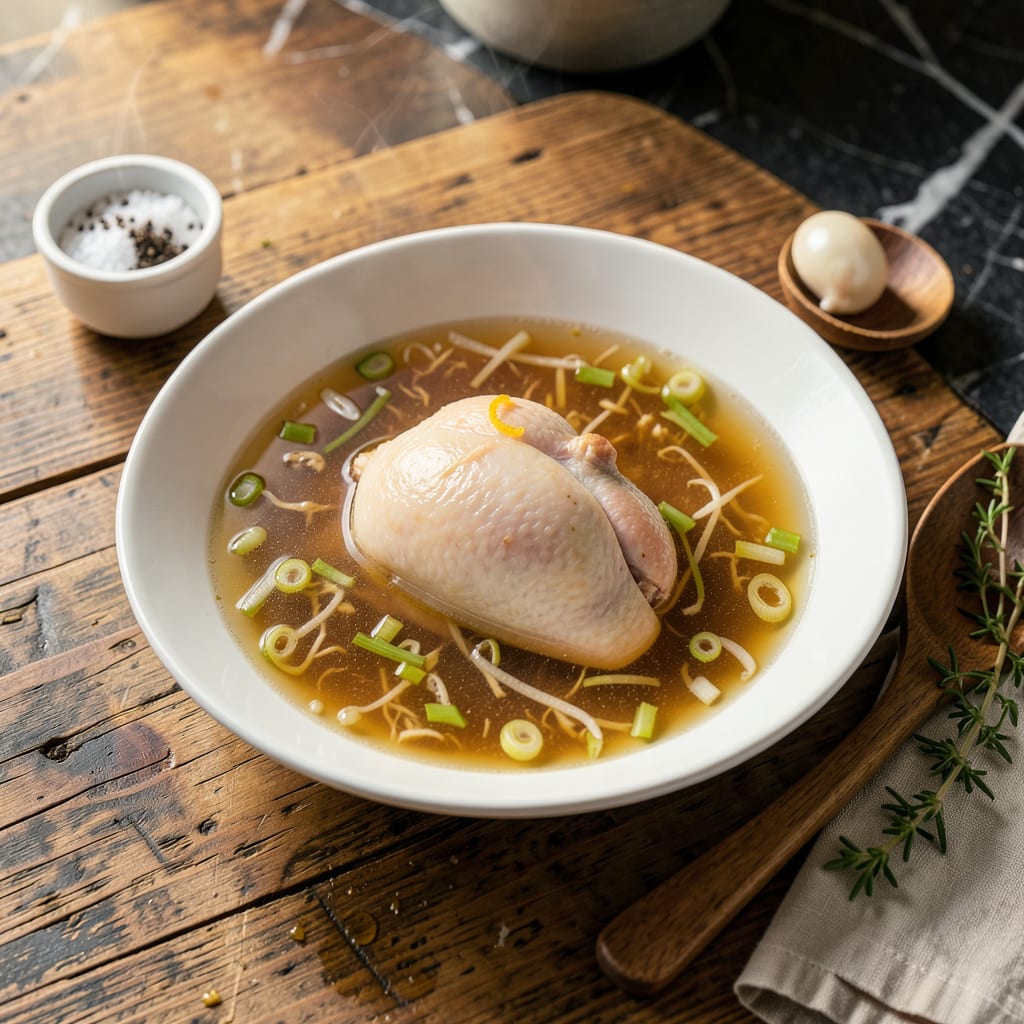
Traditional chicken bouillon contains real chicken meat or fat as its base ingredient, but many commercial versions use artificial flavors, chicken fat, or powdered extracts instead of whole meat. Always check labels for specifics.
This variation in ingredients stems from how bouillon is processed—some brands prioritize cost efficiency over authentic flavor. 🔥 The real chicken versions often use rendered fat or dehydrated meat, while artificial options rely on chemical compounds that mimic chicken taste. I’ve noticed that European-style bouillons tend to include more actual chicken components compared to mass-market American brands, which frequently cut corners with flavor enhancers like MSG or hydrolyzed vegetable protein.
What’s particularly revealing is the labeling terminology: terms like “chicken flavor” or “natural flavors” often indicate minimal or no real chicken content. ✨ For those with dietary restrictions or ethical concerns, this distinction becomes crucial when selecting products or considering homemade alternatives. The processing methods also affect the final product’s nutritional profile and potential allergen content.
💡 In This Article
- What’s Actually Inside Chicken Bouillon Ingredients?
- How to Choose or Substitute Chicken Bouillon for Dietary Needs
What’s Actually Inside Chicken Bouillon Ingredients?
The difference between authentic and artificial bouillon starts with the base. Traditional versions use rendered chicken fat (about 20-30% of the content) combined with dehydrated chicken meat—often mechanically separated to maximize yield. This process concentrates the natural umami compounds like inosinate and glutamate that create that rich, savory depth.
The fat acts as a flavor carrier, while the protein particles provide the meaty foundation.
Commercial bouillons frequently replace real chicken with chicken fat extract (processed through enzymatic hydrolysis) or artificial flavor compounds like 2-methyl-3-furanthiol—the same chemical that gives cooked chicken its aroma. These synthetic versions mimic the taste at a fraction of the cost.
🔥 A single bouillon cube might contain as little as 2-5% actual chicken-derived ingredients, with the rest being salt (40-60%), MSG (10-15%), and fillers like maltodextrin.
Here’s what’s revealing about processing: Chicken fat for bouillon is typically rendered at 212-250°F to separate it from connective tissue, then spray-dried into powder. Meanwhile, “natural flavors” on labels can legally include anything from chicken byproducts to yeast extracts—no whole muscle meat required.
European brands often use more actual chicken components (look for “poulet” or “Hühnchen” on ingredient lists), while American mass-market versions prioritize shelf stability over authentic ingredients.
The texture tells the story too. Real chicken bouillon dissolves into a slightly cloudy liquid with visible fat droplets when hot, while artificial versions create a perfectly clear broth. ✨ Homemade bouillon (simmered 6-8 hours with bones, vegetables, and herbs) develops gelatin from natural collagen—something no powdered version can replicate.
That’s why professional kitchens often reduce homemade stock to a paste for more intense flavor than commercial cubes.
Common additives serve specific purposes:
- Salt (40-60%): Acts as both preservative and flavor enhancer
- MSG (10-15%): Amplifies umami perception without adding sodium
- Maltodextrin: Bulking agent that helps the powder dissolve evenly
- Turmeric or caramel color: Creates the golden hue consumers expect
For those monitoring dietary intake, the sodium content is particularly striking—one cube often contains 800-1,200mg (about half the daily recommended limit).
💫 The fat content in artificial versions comes primarily from palm oil rather than chicken fat, which changes how it behaves in cooking. When heated, real chicken fat melts at 104°F and browns beautifully, while vegetable-based fats smoke at higher temperatures and lack the same flavor development.
The production scale matters too. Artisanal bouillons might use free-range chicken with higher omega-3 content, while industrial versions typically source from conventional poultry. This affects not just ethics but flavor complexity—the diverse diet of pasture-raised chickens creates more nuanced fat profiles.
Next time you’re shopping, compare the ingredient lists: fewer items usually means more actual chicken content, while long lists of chemical names indicate heavy processing. 🌟

- Jollof Rice Sauce Recipe: West African Tomato and Spice Infusion - September 25, 2026
- Japanese Rice Soup Recipe: Umami-Rich Comfort in a Bowl - September 25, 2026
- Homemade Cream Of Rice Recipe: Silk-Smooth Breakfast in Minutes - September 25, 2026