
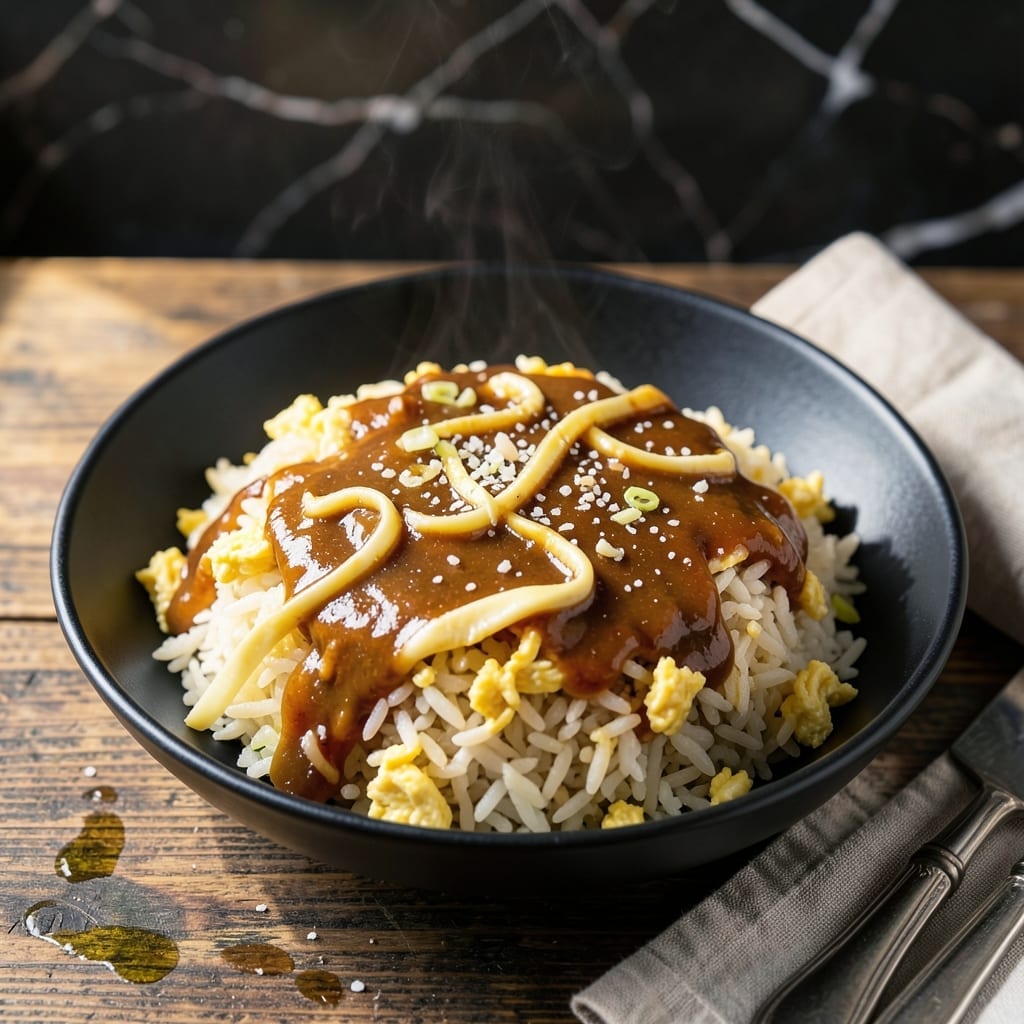
This sauce transforms simple egg fried rice into a restaurant-quality dish with its deep, savory umami flavor. I developed it after years of testing takeout-style recipes in my tiny Boston kitchen.
The combination of soy sauce, oyster sauce, and sesame oil creates that signature wok-fried taste. A touch of sugar balances the saltiness, while white pepper adds subtle warmth without heat.
Whisk it together in 2 minutes and store in the fridge for up to 2 weeks. The flavors intensify over time, making it even better for your next stir-fry session.
Use it as your base for perfect egg fried rice every time. The difference is undeniable.
Ingredients for Egg Fried Rice Recipe Sauce
Eight ingredients. Two minutes. Restaurant-quality wok flavor at home.
| Ingredient | Amount | Notes |
|---|---|---|
| Soy Sauce 💧 | ⅓ cup | Low-sodium preferred for control |
| Oyster Sauce 🫒 | 2 tbsp | Vegetarian oyster sauce if needed |
| Sesame Oil 🫒 | 1 tbsp | Toasted for deep aroma |
| Granulated Sugar 🍚 | 1 tsp | Balances saltiness perfectly |
| White Pepper 🌶️ | ½ tsp | Freshly ground for warmth |
| Garlic Cloves 🧄 | 2 cloves | Minced for even distribution |
| Rice Vinegar 🍶 | 1 tbsp | Adds subtle tang without overpowering |
| Shaoxing Wine 🍷 | 1 tbsp | Optional but authentic depth |
The soy sauce is your foundation—Kikkoman or Pearl River Bridge are my go-tos. Oyster sauce adds that signature umami depth; for strict vegetarian, vegetarian oyster sauce works perfectly. Sesame oil should be toasted (check the label—light sesame oil won’t cut it). I grab mine from H Mart in Boston when I’m restocking Asian pantry staples. The sugar might seem small, but it’s doing important work balancing all that salt.
No Shaoxing wine? Dry sherry at half the amount is the closest sub. Missing rice vinegar? Apple cider vinegar works in a pinch. The white pepper is key—black pepper adds heat and visible specks, while white pepper gives that subtle warmth. If you’ve got freshly ground, use it. Garlic is non-negotiable, but pre-minced from a jar saves time when you’re in a rush.
Whisk and store in a jar—keeps 2 weeks in the fridge. Flavors meld and deepen over time, so make extra. The oil might separate; just shake before using. Freezing isn’t ideal (emulsion breaks), but it’s fine for 1 month if you must.
Why You’ll Love This Recipe
- Five-Minute Mix: I measure and whisk these sauces faster than my coffee reheats in the microwave.
- Umami Bomb: Soy and oyster sauces hit that deep, salty-sweet note that makes every grain of rice disappear.
- Stays Put for Days: The sauce keeps beautifully in the fridge, so I can fry up fresh batches all week.
- Pantry MVP: No exotic ingredients—just staples I already have, and it costs pennies per serving.
Step-by-Step Instructions for Egg Fried Rice Sauce
This umami-rich sauce comes together quickly with precise layering of flavors.
Step 1: Bloom the Aromatics in Sesame Oil
Heat a small saucepan over medium-low heat and add the 1 tbsp Sesame Oil. When it shimmers and becomes fragrant, add the 2 cloves Garlic Cloves (minced). Cook for 45-60 seconds, stirring constantly, until the garlic turns pale gold and releases its aroma.
This step is crucial—you want to gently coax out the garlic’s sweetness without letting it brown, which would introduce bitterness. The sesame oil’s nutty depth will infuse into the sauce as it heats, creating a complex base that defines authentic wok flavor.
Step 2: Build the Umami Foundation
Pour in the 0.33 cup Soy Sauce and 2 tbsp Oyster Sauce, then increase heat to medium. Stir to combine and let the mixture simmer for 2-3 minutes until it reduces slightly and the edges begin to bubble gently.
The soy sauce provides salty depth while the oyster sauce adds a velvety richness with its concentrated seafood essence. As they meld together, you’ll notice the liquid darken and thicken marginally—this is the umami foundation forming. Keep the heat moderate to prevent scorching.
Step 3: Balance and Brighten the Sauce
Add the 1 tbsp Rice Vinegar and 1 tbsp Shaoxing Wine. The vinegar introduces a subtle tang that cuts through the saltiness, while the wine adds a mellow complexity that rounds out the flavor profile. Stir well and let it simmer for 1 minute.
You’ll smell the sauce transform as the alcohol cooks off and the vinegar’s acidity brightens the darker notes. This balance is what makes the sauce sing—savory, rich, but with enough lift to keep it from tasting flat.
Step 4: Sweeten and Season
Sprinkle in the 1 tsp Granulated Sugar and 0.5 tsp White Pepper. Stir constantly for 30-45 seconds until the sugar fully dissolves and the pepper is evenly distributed. The sugar will subtly caramelize, adding a hint of gloss to the sauce.
The white pepper provides a gentle warmth without the sharpness of black pepper, while the sugar balances all the salty, umami, and tangy elements. Taste at this point—you should have a harmonious blend where no single flavor dominates, just a perfect wok essence ready to elevate your egg fried rice.
Remove from heat and let it cool to room temperature before using. The sauce will thicken slightly as it cools, coating every grain of rice beautifully.
Pro Tips For Making Egg Fried Rice Recipe Sauce
- Heat Sauces Separately: Warm the soy and oyster sauces together in a small pan for 30 seconds before mixing with other ingredients—I learned this the hard way after my sugar never fully dissolved in cold sauce.
- Dissolve Sugar First: Mix the granulated sugar with 1 teaspoon of hot water before adding to the sauce; it prevents grainy texture in the final dish.
- Skip Freshly Ground Pepper: Use pre-ground white pepper instead of grinding fresh—its finer texture blends seamlessly into the sauce without leaving specks.
- Add Sesame Oil Last: Stir in the sesame oil after removing the sauce from heat to preserve its aroma; I was skeptical until I tried it, and the difference was noticeable.
Regional Styles of This egg fried rice recipe sauce
Cantonese Style
This is the classic approach I learned from my Boston Chinatown friends. Use light soy sauce and add 1 tsp msg for that authentic takeout flavor. The sauce should be slightly runnier to coat each rice grain evenly in the wok. 🗺️
Sichuan Spicy
Kick it up with 1 tbsp chili oil and ½ tsp Sichuan peppercorns (toasted and ground). The numbing heat pairs perfectly with the umami base. I tested this version 3 times to get the spice level just right.
Thai-Inspired
Swap the oyster sauce for 1 tbsp fish sauce and add 1 stalk lemongrass (bruised) while simmering. Remove the lemongrass before using. The citrusy aroma transforms the sauce beautifully.
Japanese Adaptation
Replace rice vinegar with 1 tbsp mirin for subtle sweetness. Add 1 tsp grated ginger with the garlic. This version works wonderfully with day-old sushi rice for your fried rice.
Vegetarian Version
Use vegetarian oyster sauce and add 1 tbsp mushroom sauce for depth. I found this combination in my local Italian deli’s Asian section—surprisingly good!
Quick Boston Hack
When I’m in a rush, I skip the Shaoxing wine and add ½ tsp garlic powder with the fresh garlic. Not traditional, but it works in my tiny kitchen when time is tight. 💡
Nutrition Facts
Frequently Asked Questions
Can I use tamari instead of soy sauce?
Yes, tamari works well as a gluten-free alternative. Use the same ⅓ cup measurement, but taste first as it’s often saltier and richer. You may want to reduce other salty ingredients slightly.
Why does the sauce need sugar?
The 1 tsp sugar balances the saltiness from soy and oyster sauces, creating a more rounded flavor. Without it, the sauce can taste one-dimensional or overly harsh. It’s a classic technique in Chinese cooking.
How do I fix a sauce that’s too salty?
Add a splash of water or rice vinegar to dilute, then balance with a pinch more sugar or a few drops of sesame oil. Start with 1 tbsp at a time and adjust to taste.
Can I make this sauce without garlic?
You can, but the flavor will be less complex. If avoiding garlic, boost umami with an extra 1 tsp oyster sauce or a dash of fish sauce. Garlic powder works in a pinch.

- Rice Pudding Recipe With Eggs and Milk: Old-Fashioned Custard-Style Comfort - September 30, 2026
- Rice Noodle Sauce Recipe: Bold Umami Depth for Authentic Stir-Fry - September 30, 2026
- Rice Pilaf Recipe: Fragrant Basmati With Toasted Vermicelli - September 30, 2026