
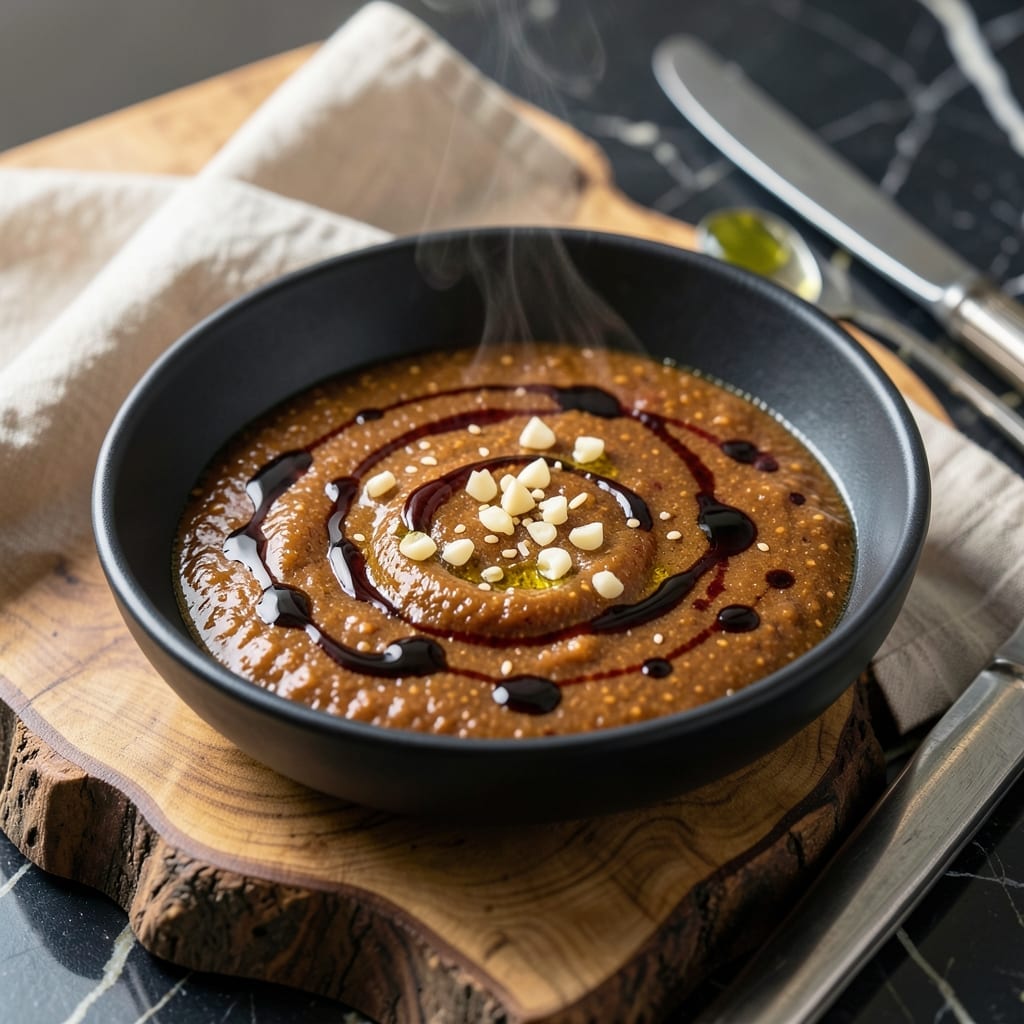
This sauce transforms plain rice cakes into the iconic Korean street food everyone loves. The balance of sweet, spicy, and umami creates a glaze that clings perfectly to each chewy bite.
I developed this version to deliver authentic flavor without hard-to-find ingredients. A simple combination of gochujang, sugar, and soy sauce builds the foundation, while garlic and sesame oil add depth.
What you get is a versatile sauce that works for tteokbokki, stir-fries, or as a marinade. It keeps well in the fridge for up to a week, so make a double batch.
The best part? It takes 10 minutes to make and uses pantry staples. Here’s how to create this essential Korean sauce.
Ingredients for Korean Rice Cake Sauce
Nine pantry staples create this iconic Korean sauce with bold, balanced flavor.
| Ingredient | Amount | Notes |
|---|---|---|
| Gochujang 🌶️ | ½ cup | Korean red pepper paste |
| Granulated Sugar 🍚 | ¼ cup | Adjust to taste preference |
| Soy Sauce 🫒 | 3 tbsp | Use low-sodium if preferred |
| Garlic Cloves 🧄 | 4 cloves | Minced for maximum flavor |
| Sesame Oil 🫒 | 1 tbsp | Toasted for best aroma |
| Rice Vinegar 🍋 | 1 tbsp | Balances the sweetness |
| Gochugaru 🌶️ | 1 tbsp | Korean red pepper flakes |
| Sesame Seeds 🌰 | 1 tsp | Toasted, for garnish |
| Water 💧 | ¼ cup | Adjust for desired thickness |
The gochujang is non-negotiable—look for Sempio or CJ brands at H Mart or Korean markets. Don’t settle for the tiny jars at regular grocery stores (unless it’s all you can find). Gochugaru adds a different kind of heat than gochujang, so if you can’t find it, crushed red pepper flakes work in a pinch, but the flavor won’t be as complex. Fresh garlic cloves are a must here (the jarred stuff lacks punch).
No gochujang? Miso paste plus sriracha gets you close, but it’s not the same. Swap sugar for honey if you’re okay with it not being strictly vegan (or use maple syrup). Soy sauce can be tamari for gluten-free, but the flavor’s a bit thinner. Toast your sesame seeds in a dry pan for 30 seconds—they’ll smell amazing. Skip the vinegar if you don’t have it, but add a squeeze of lime instead.
This sauce keeps for 1 week in the fridge in an airtight container. Freeze in ice cube trays for up to 3 months—perfect for quick meals. Thin it with a splash of water if it thickens in the fridge (or just stir it into hot rice cakes).
Why You’ll Love This Recipe
- 5-Minute Mix: I just dump gochujang, sugar, soy, garlic, and sesame oil in a bowl—no cooking, no fuss.
- Sweet-Spicy Balance: The sugar tames gochujang’s heat while garlic and sesame oil add depth that’s ridiculously good.
- Dress Up Anything: I slather it on rice cakes, toss with noodles, or use as a marinade for chicken. Honestly, it’s my secret weapon.
- Stays Fresh: Makes a full jar, keeps for a week in the fridge, and tastes even better the next day.
Step-by-Step Instructions for Korean Rice Cake Glaze
Here’s the method I use for perfectly balanced sweet-spicy sauce every time.
Step 1: Bloom the Aromatics in Oil
Heat a medium saucepan over medium-low heat. Add the 1 tbsp Sesame Oil and let it warm up for 30 seconds until it becomes fragrant—you’ll notice its nutty aroma intensifying.
Add the 4 cloves Garlic Cloves (minced) and stir constantly for 1 minute until the edges turn light golden brown. Don’t let it darken too much or it’ll turn bitter. This step wakes up the garlic’s sweetness and mellows its sharpness.
Step 2: Build the Flavor Base
Reduce heat to low and add the 0.5 cup Gochujang and 1 tbsp Gochugaru. Stir vigorously for 2 minutes to combine the pastes with the oil and garlic. The mixture will darken and become glossy as the oils release from the gochujang.
Pour in the 3 tbsp Soy Sauce and 1 tbsp Rice Vinegar. The vinegar will bubble as it hits the hot pan—that’s normal. Stir well and let it cook for 1-2 minutes until the raw edge of the vinegar dissipates.
Step 3: Sweeten and Balance
Add the 0.25 cup Granulated Sugar and 0.25 cup Water. Stir until the sugar completely dissolves—this usually takes 2-3 minutes on medium-low heat. You’ll see the mixture transform from a thick paste to a smooth, pourable sauce.
The water helps mellow the intensity of the gochujang while the sugar balances its heat. At this point, the sauce should coat the back of a spoon but still drip slowly. If it seems too thick, add a splash more water, but remember it thickens as it cools.
Step 4: Finish and Check Consistency
Remove the sauce from heat and let it sit for 1 minute to cool slightly. The sauce will thicken as it cools. Stir in the 1 tsp Sesame Seeds, reserving a pinch for garnish if desired.
Taste and adjust the balance: if it needs more sweetness, add a bit more sugar; if it’s too thick, thin with a little water. The perfect sauce should have a glossy sheen and coat rice cakes evenly without being watery. It should taste sweet first, then spicy, with a lingering umami depth.
Pro Tips For Making Korean Rice Cake Sauce
- Bloom the Gochujang: Heat the gochujang in a little oil for 1-2 minutes before adding liquids—it deepens the flavor and removes that raw paste taste I used to get.
- Grate the Garlic: Use a microplane for the garlic instead of mincing; it dissolves better into the sauce and saves you from biting into chunky pieces.
- Balance the Sugar: Taste before adding all the sugar—some gochujang brands are sweeter than others, and I learned this the hard way with a cloying batch.
- Finish with Sesame: Stir in the sesame oil at the very end, off the heat. After burning a few batches, I finally figured out it loses its aroma if cooked too long.
Wine and Beer Pairings for This Dish
Korean Beer Pairings
I love pairing this sauce with Hite or Cass, crisp Korean lagers that cut through the heat. Their light body and subtle sweetness complement the spicy-sweet balance without overpowering it. Serve ice-cold for the best contrast. 🍺
Light White Wines
For wine lovers, try a Riesling with slight residual sugar—it mirrors the sauce’s sweetness while balancing the spice. A Gewürztraminer also works beautifully, with its lychee and tropical fruit notes enhancing the garlic and sesame flavors.
Sake Options
Nigori sake is my top choice for its creamy texture and mild sweetness that harmonizes with the sauce. A chilled junmai ginjo offers a cleaner profile that lets the sauce’s complexity shine through.
Non-Alcoholic Choices
Sparkling water with a lime wedge refreshes your palate between spicy bites. For a sweeter option, Korean barley tea (boricha) has a nutty flavor that pairs surprisingly well with the sauce’s umami depth. ✨
Nutrition Facts
Frequently Asked Questions
What can I use instead of gochujang?
Use 2 tbsp miso paste plus 1 tbsp sriracha for a similar depth. It won’t be identical but works in a pinch. For authentic flavor, seek out Korean markets for gochujang.
How long does this sauce keep?
It stays fresh in an airtight container in the fridge for 1 week. For longer storage, freeze in ice cube trays for up to 3 months.
Can I make it less spicy?
Reduce gochugaru to ½ tbsp or omit it entirely. Balance with extra 1 tbsp sugar if needed. The gochujang itself is mild, so this adjustment works well.
Is this sauce gluten-free?
Swap regular soy sauce for tamari to make it gluten-free. Verify all ingredients, especially gochujang, as some brands contain wheat.

- Rice Pudding Recipe With Eggs and Milk: Old-Fashioned Custard-Style Comfort - September 30, 2026
- Rice Noodle Sauce Recipe: Bold Umami Depth for Authentic Stir-Fry - September 30, 2026
- Rice Pilaf Recipe: Fragrant Basmati With Toasted Vermicelli - September 30, 2026