
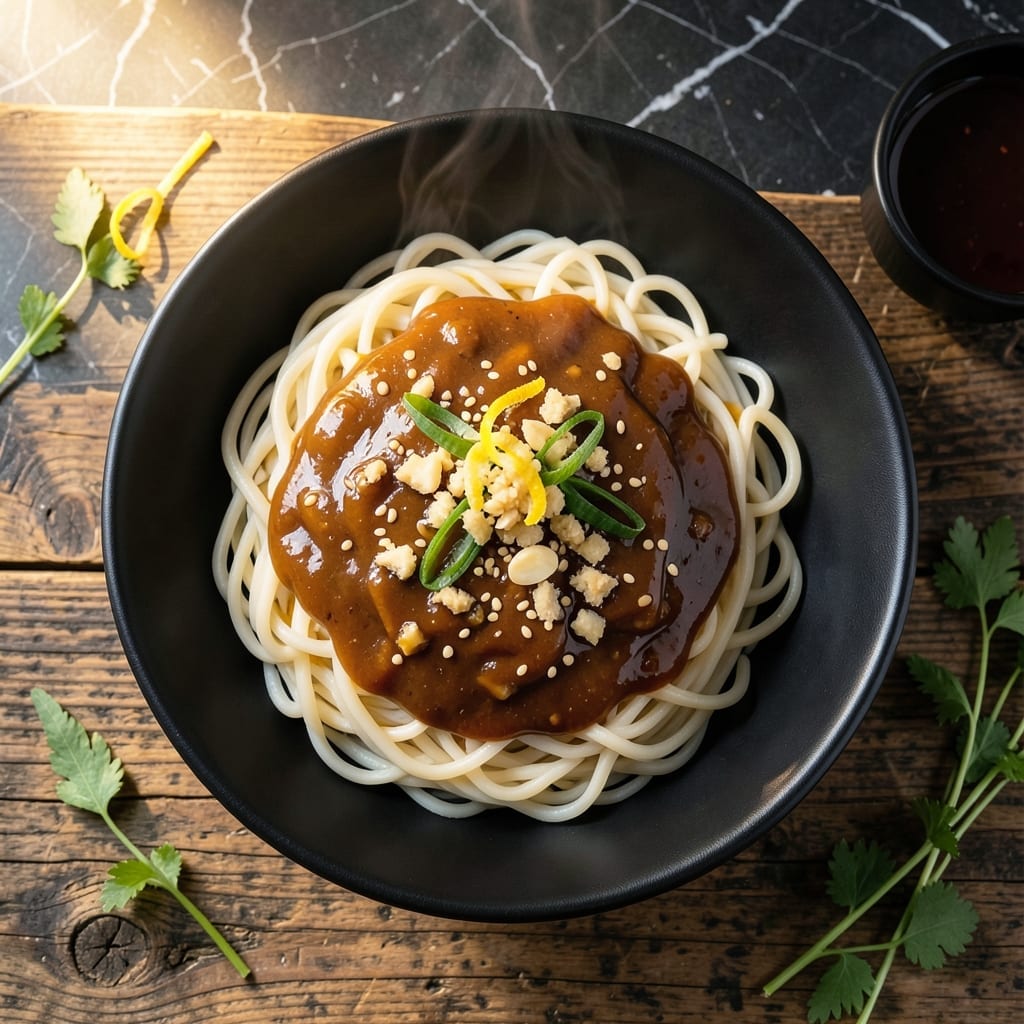
I remember the first time I tried authentic street-style rice noodles—it was a revelation. This recipe captures that same bold flavor and perfect texture in your own kitchen.
What makes this dish special is the balance of chewy noodles, crisp vegetables, and a savory sauce that comes together in minutes. The key is prepping everything before you start cooking, so the stir-fry moves quickly.
You’ll end up with tender noodles coated in a rich, aromatic sauce with just the right amount of bite. It’s street food made simple, with ingredients you can find at any grocery store.
Serve it hot for a meal that feels like a restaurant takeout, only better. Here’s how to make it.
Ingredients for Rice Noodle
Pantry staples plus fresh veggies and bold flavors come together here.
| Ingredient | Amount | Notes |
|---|---|---|
| Rice Noodles 🍜 | 8 oz | Flat, medium-width preferred |
| Soy Sauce 🫒 | ⅓ cup | Low-sodium for control |
| Oyster Sauce 🍶 | 2 tbsp | Vegan oyster sauce if needed |
| Sesame Oil 🫒 | 1 tbsp | Toasted for aroma |
| Garlic Cloves 🧄 | 4 cloves | Minced finely |
| Fresh Ginger 🌿 | 1 tbsp | Grated or minced |
| Bell Pepper 🌶️ | 1 whole | Thinly sliced, any color |
| Carrot 🥕 | 1 whole | Julienned for texture |
| Green Onions 🧅 | 3 whole | Sliced, green parts only |
| Bean Sprouts 🌱 | 1 cup | Optional for crunch |
| Chili Paste 🌶️ | 1 tbsp | Adjust for spice level |
| Lime 🍋 | 1 whole | Juiced for brightness |
| Peanuts 🥜 | ⅓ cup | Crushed for garnish |
| Cilantro 🌿 | ¼ cup | Fresh, chopped |
The rice noodles are everything. Look for flat, medium-width at any Asian market or the international aisle at Kroger. They should be dry and brittle, not rubbery. Soy sauce brands matter—Kikkoman or Pearl River Bridge for consistent quality. The oyster sauce adds depth, but vegan versions work just as well if that’s your preference (the Lee Kum Kee one’s widely available).
No oyster sauce? Substitute with hoisin or extra soy. Fresh ginger is ideal, but ground ginger at half the amount works in a pinch. Bell peppers can be swapped for snap peas or broccoli—whatever’s fresh. Bean sprouts add crunch, but shredded cabbage is a great backup. The chili paste can be any brand, just taste as you go. Lime juice brightens everything up, but rice vinegar is a decent stand-in.
Noodles soak up sauce fast, so serve immediately. Leftovers keep 2-3 days in the fridge (reheat with a splash of water). Peanuts lose crunch if stored mixed in, so add them fresh each time. Ginger and garlic freeze well for next time.
Why You’ll Love This Recipe
- Ready in Minutes: I can have this on the table faster than takeout—just boil the rice noodles and toss with garlic, soy, and oyster sauce.
- Umami Bomb: The garlic sizzles in sesame oil, then the oyster sauce hits with that deep, salty-sweet punch. Ridiculously good.
- Meal Prep Hero: Makes enough for three lunches, and honestly, it tastes even better the next day after the flavors meld.
- Pocket-Friendly Feast: Five ingredients, most of which I already keep on hand, and it feeds my family for under ten bucks.
Step-by-Step Instructions for Rice Noodle Stir-Fry
Here’s how to create this vibrant street food favorite with perfect texture and bold flavors.
Step 1: Soak and Prepare the Rice Noodles
Place the 8 oz rice noodles in a large bowl and cover with hot tap water. Let them soak for 8-10 minutes until pliable but still slightly firm—they’ll finish cooking in the wok. Drain immediately and rinse with cold water to stop the cooking process.
This step prevents the noodles from turning mushy during stir-frying. I always test one strand by bending it—if it snaps cleanly, it’s ready. Keep them moist with a little cold water while you prep the rest to avoid sticking.
Step 2: Stir-Fry the Aromatics and Vegetables
Heat the 1 tbsp sesame oil in a wok or large skillet over medium-high heat. Add the 4 cloves garlic cloves and 1 tbsp fresh ginger, stirring constantly for 30 seconds until fragrant but not browned. Garlic burns quickly, so stay attentive.
Add the 1 whole bell pepper (thinly sliced) and 1 whole carrot (julienned). Stir-fry for 3-4 minutes until the vegetables soften slightly but retain their crunch. The bell pepper should brighten in color, and the carrot should just begin to bend when pressed.
Step 3: Combine Noodles and Sauce
Increase heat to high and add the drained rice noodles to the wok. Pour in the 0.33 cup soy sauce, 2 tbsp oyster sauce, and 1 tbsp chili paste. Toss everything together using tongs for 2-3 minutes until the noodles are evenly coated and heated through.
The sauce should sizzle and slightly caramelize at the edges of the pan. If the mixture seems dry, add a splash of water—this helps steam the noodles to perfection. The noodles are done when they’re tender but still chewy, with no hard center.
Step 4: Finish with Fresh Garnishes
Remove from heat and stir in the 1 cup bean sprouts and 3 whole green onions (sliced). The residual heat will soften the bean sprouts just enough while keeping them crisp. Squeeze the juice of the 1 whole lime over the top for a bright, tangy finish.
Transfer to serving plates and immediately top with the 0.33 cup peanuts (crushed) and 0.25 cup cilantro (chopped). These garnishes add texture and freshness, so don’t skip them. Serve hot for the best flavor and texture contrast.
Pro Tips For Making Rice Noodle
- Soak Noodles First: I learned this the hard way—soak rice noodles in warm water for 8-10 minutes before cooking to prevent gummy, uneven texture. Cold water takes forever, hot water makes them mushy.
- Toast the Garlic: Cook minced garlic in sesame oil over medium-low for 30 seconds until fragrant but not brown. After burning three batches, I finally figured out that burnt garlic ruins the sauce’s sweetness.
- Skip Cold Sauces: Mix soy and oyster sauces in a small bowl first and warm it slightly in the pan before tossing with noodles. Sounds weird, but it works: cold sauce just clings poorly to the noodles.
- Use Less Sesame Oil: A little goes a long way—start with 1 teaspoon of sesame oil at the end for aroma, not a tablespoon. My grandmother swore by this, and she was right: too much overpowers the dish.
Storing and Reheating This rice noodle
Refrigerator Storage
Let your noodles cool for no more than 2 hours before transferring to airtight containers. Store in the fridge at 40°F or below for up to 3 days. The flavors meld beautifully overnight, making leftovers taste even better. ❄️
Freezer Storage
For longer storage, freeze in quart-sized bags for up to 2 months. Squeeze out excess air to prevent freezer burn. I recommend portioning into single servings for easy reheating. Avoid freezing with garnishes like peanuts—they lose their crunch.
Stovetop Reheating
This is my go-to method. Heat a skillet over medium heat, add a splash of water or broth, then toss in the noodles for 3-4 minutes. Stir constantly to prevent sticking. The steam revives the noodles perfectly.
Microwave Reheating
Place noodles in a microwave-safe dish with 1 tbsp water. Cover with a damp paper towel and heat on 70% power for 1-2 minutes. Stir, then repeat until hot. This prevents rubbery texture. 🔥
Pro Tips
Add fresh garnishes like cilantro and peanuts after reheating to restore brightness. If the noodles seem dry, drizzle with 1 tsp sesame oil before serving. I always taste and adjust seasoning with a splash of soy sauce if needed.
Nutrition Facts
Frequently Asked Questions
Do I need to boil the noodles first?
No, just soak them in hot water for 8-10 minutes until pliable. They’ll finish cooking in the wok with the sauce and veggies. Boiling can make them mushy.
Can I use a different type of noodle?
Rice noodles work best, but you can substitute with udon or soba. Avoid wheat noodles as they have a different texture. Adjust soaking time based on thickness.
How do I prevent the noodles from sticking?
Rinse them with cold water after soaking and keep them moist while prepping. Use high heat and stir constantly in the wok. A splash of water helps if they start to clump.
Can I make this dish gluten-free?
Yes! Use tamari instead of soy sauce and ensure your oyster sauce is gluten-free. Check all labels carefully, as some brands contain wheat.

- Rice Pudding Recipe With Eggs and Milk: Old-Fashioned Custard-Style Comfort - September 30, 2026
- Rice Noodle Sauce Recipe: Bold Umami Depth for Authentic Stir-Fry - September 30, 2026
- Rice Pilaf Recipe: Fragrant Basmati With Toasted Vermicelli - September 30, 2026