
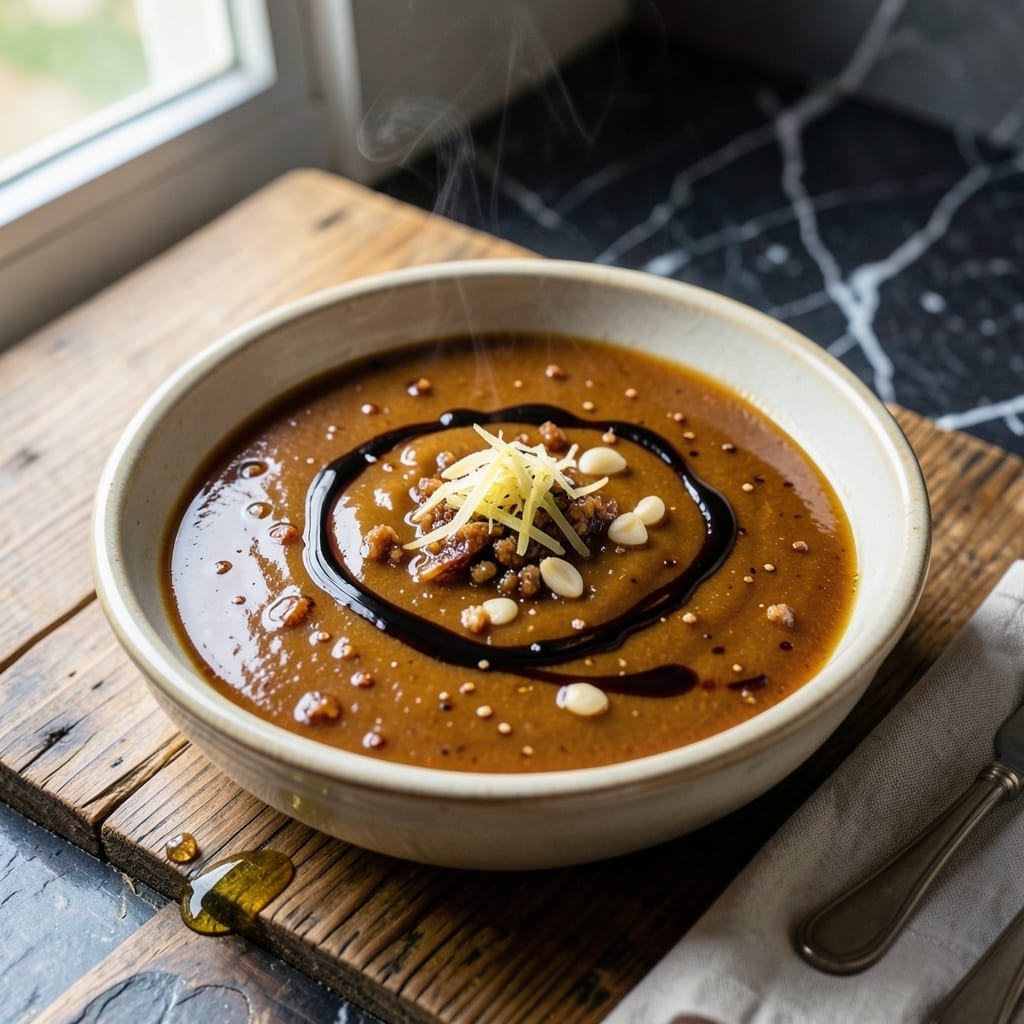
This sauce transforms rice noodles from simple to extraordinary with its bold umami depth and authentic Asian flavor profile. I developed it to capture the essence of street food stir-fry without complicated techniques or hard-to-find ingredients.
What makes this recipe special is the balance of savory, sweet, and tangy elements that cling perfectly to noodles. The combination of soy sauces, aromatic garlic, and a touch of acidity creates complexity that tastes like it simmered for hours.
You’ll achieve restaurant-quality results with just a few pantry staples and 5 minutes of mixing. The sauce stores beautifully, so you can prep ahead for quick weeknight meals.
Use it for stir-fries, dipping, or drizzling over your favorite noodle bowls. Here’s how to make it.
Ingredients for Rice Noodle Sauce
Eight pantry staples create bold umami depth for authentic Asian flavor in minutes.
| Ingredient | Amount | Notes |
|---|---|---|
| Low-Sodium Soy Sauce 🫒 | ½ cup | For balanced saltiness |
| Dark Soy Sauce 🫒 | 2 tbsp | Adds depth and color |
| Hoisin Sauce 🍯 | 3 tbsp | Sweet and savory base |
| Rice Vinegar 🍶 | 2 tbsp | Brightens the sauce |
| Brown Sugar 🍚 | 2 tbsp | Balances acidity |
| Fresh Garlic Cloves 🧄 | 4 cloves | Minced for aroma |
| Fresh Ginger Root 🌿 | 1 tbsp | Finely grated |
| Sesame Oil 🫒 | 1 tbsp | Toasted variety preferred |
| Sriracha Sauce 🌶️ | 1 tsp | Adjust to taste |
The soy sauces are non-negotiable here. Low-sodium soy sauce keeps the salt in check while dark soy sauce adds that deep, caramelized color and richness. I grab mine from H Mart or 99 Ranch—they have the best selection. The hoisin sauce should be thick and glossy (not watery), and Koon Chun or Lee Kum Kee are reliable brands. Fresh ginger and garlic are a must—no powdered versions for this one.
No dark soy sauce? Regular soy sauce plus a splash of molasses mimics the depth. Out of hoisin? Oyster sauce with a pinch of sugar works in a pinch. The rice vinegar can be swapped for apple cider vinegar, but it’ll taste slightly fruitier. Sriracha not your thing? Gochujang at half the amount gives a different kind of heat. Brown sugar can be coconut sugar or maple syrup for a deeper flavor.
This sauce keeps like a dream—1 week in the fridge, 3 months frozen. Store in a glass jar (the plastic takeout containers work too). Let it sit for 10 minutes before using so the flavors meld. Double the batch and you’ll always have it on hand for quick dinners.
Why You’ll Love This Recipe
- One-Bowl Wonder: I just dump all the sauces, vinegar, and sugar in a bowl—no chopping, no fuss.
- Umami Bomb: The mix of hoisin and dark soy sauce gives it this deep, savory-sweet richness that sticks to the noodles perfectly.
- Endless Pairings: It’s my go-to for stir-fries, dipping, or even drizzling over roasted veggies. Honestly, I use it more than ketchup.
- Budget Stretcher: A small batch lasts me all week, and the ingredients are pantry staples I always have on hand.
Step-by-Step Instructions for Rice Noodle Sauce
This authentic method delivers complex umami flavor with perfect balance every time.
Step 1: Bloom Aromatics in Sesame Oil
Heat a small saucepan over medium-low heat and add the 1 tbsp Sesame Oil. Once the oil shimmers, add the 4 cloves Fresh Garlic Cloves (minced) and 1 tbsp Fresh Ginger Root (finely grated).
Cook for 1-2 minutes, stirring constantly, until the mixture becomes fragrant but hasn’t browned. This step releases the essential oils from the garlic and ginger, creating the aromatic foundation of your sauce. Remove from heat immediately if you see any color change to prevent bitterness.
Step 2: Build the Umami Base
Add the 3 tbsp Hoisin Sauce to the saucepan with the aromatics. Stir to combine and let it warm through for 30 seconds. The hoisin will begin to loosen and blend with the sesame oil, creating a rich, glossy base.
Pour in the 0.5 cup Low-Sodium Soy Sauce and 2 tbsp Dark Soy Sauce. The combination of these two soy sauces provides balanced saltiness and deep color. Stir well and let the mixture simmer gently for 1 minute to meld the flavors.
Step 3: Balance Sweetness and Acidity
Add the 2 tbsp Brown Sugar to the sauce. Stir until it dissolves completely, which should take about 30-45 seconds. The sugar will create a slight caramelization at the edges of the pan, adding depth to the sauce.
Pour in the 2 tbsp Rice Vinegar and stir to incorporate. This is the moment the sauce comes alive—the vinegar brightens all the rich, savory elements and creates that authentic balance of flavors. Let it simmer for 1 minute to allow the acid to mellow slightly.
Step 4: Finish with Heat and Final Adjustments
Stir in the 1 tsp Sriracha Sauce. This adds a subtle heat that complements the umami without overpowering it. Taste the sauce and adjust the spice level if needed—remember that the heat will mellow slightly as the sauce cools.
Let the sauce simmer for a final 2-3 minutes on low heat. You’ll notice it thicken slightly and develop a beautiful sheen. The sauce should coat the back of a spoon but still be pourable. Remove from heat and let it cool slightly before using—it will thicken a bit more as it cools.
This sauce keeps in the refrigerator for up to 5 days and actually improves in flavor after 24 hours as the ingredients continue to meld together.
Pro Tips For Making Rice Noodle Sauce
- Simmer Gently: Keep the sauce at a low simmer—boiling it hard will make the brown sugar caramelize too fast and turn bitter. I learned this the hard way after ruining a batch by cranking the heat too high.
- Bloom the Hoisin: Heat the hoisin sauce in the pan for 30 seconds before adding liquids—this deepens its flavor and prevents a raw, pasty taste in the finished sauce.
- Balance the Vinegar: Rice vinegar can overpower if added all at once. Start with half, taste, then adjust—this saves you from that sharp, one-note tang.
- Dissolve Sugar First: Mix the brown sugar with a splash of warm water before adding it to the pan. It incorporates evenly and skips that grainy texture at the bottom.
Wine and Beer Pairings for rice noodle sauce
White Wine Picks
Off-dry Riesling from Germany or Washington State balances the sauce’s saltiness beautifully. Its stone fruit notes and bright acidity cleanse your palate. I love Dr. Loosen Blue Slate for its mineral edge. 🍷
Red Wine Options
Light-bodied Pinot Noir from Oregon or Burgundy works surprisingly well. Its red fruit flavors and subtle earthiness complement without overpowering. Serve slightly chilled at 55°F for best results.
Asian Beer Pairings
Sapporo Premium or Asahi Super Dry offer crisp, clean profiles that cut through the sauce’s richness. The mild bitterness and effervescence refresh between bites. I always keep a six-pack for stir-fry nights. 🍺
Craft Beer Choices
A Belgian Witbier like Hoegaarden brings citrus and coriander notes that echo the ginger and garlic in the sauce. The slight spice from the yeast adds another layer of complexity.
Non-Alcoholic Match
Sparkling yuzu soda or ginger beer provides the same palate-cleansing effect as wine or beer. I particularly like San Pellegrino Aranciata for its bittersweet orange notes that complement the umami. ✨
Nutrition Facts
Frequently Asked Questions
Can I make this sauce ahead of time?
The flavors actually deepen after 24 hours in the fridge. Store in an airtight container for up to 5 days or freeze for 3 months.
What if I don’t have dark soy sauce?
Use regular soy sauce plus 1 tsp molasses for similar depth and color. The molasses adds the caramelized richness that dark soy provides.
How can I adjust the spice level?
Start with ½ tsp Sriracha for mild heat, or add extra ½ tsp for more kick. For a different heat profile, try gochujang at half the amount.
Can I use this for other dishes?
Yes! This versatile sauce works great as a marinade, dipping sauce, or drizzle for grilled meats and roasted veggies. It’s not just for noodles.

- Rice Pudding Recipe With Eggs and Milk: Old-Fashioned Custard-Style Comfort - September 30, 2026
- Rice Noodle Sauce Recipe: Bold Umami Depth for Authentic Stir-Fry - September 30, 2026
- Rice Pilaf Recipe: Fragrant Basmati With Toasted Vermicelli - September 30, 2026