
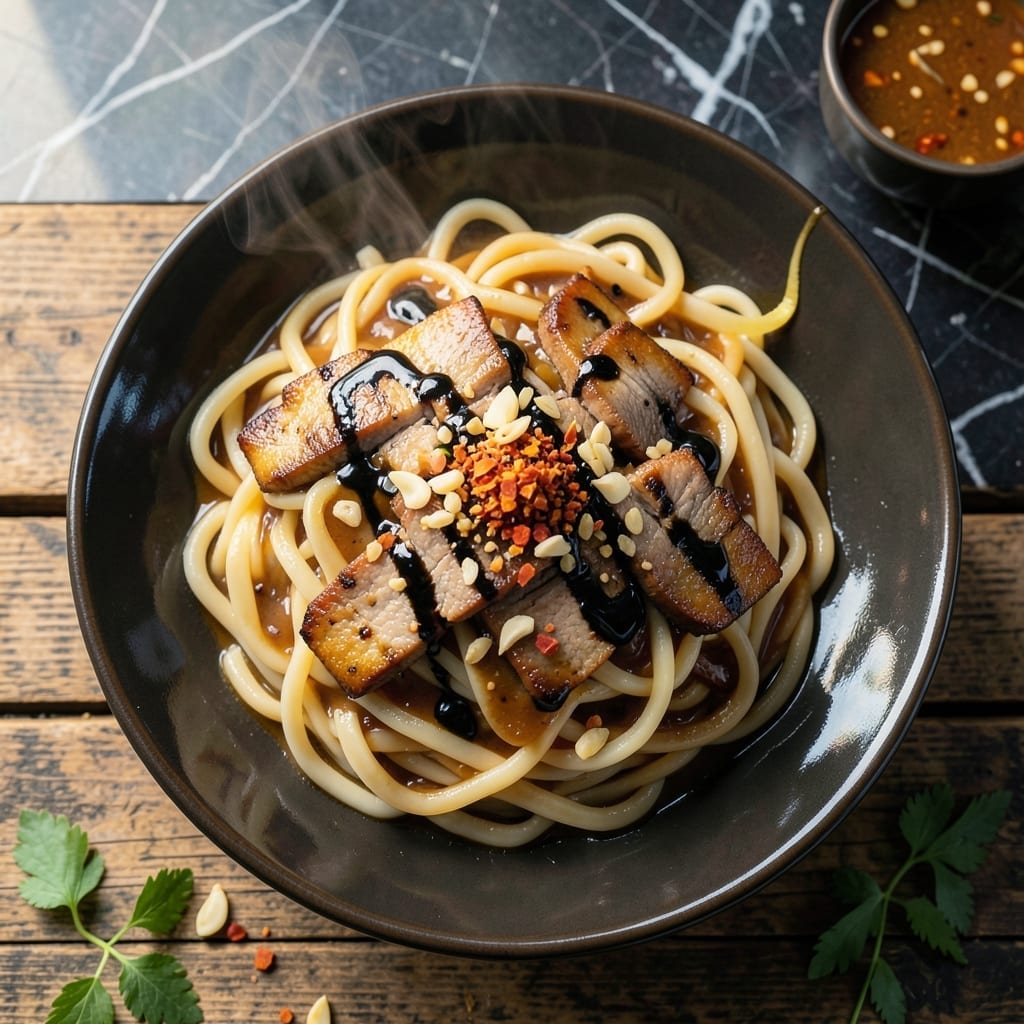
This Cantonese classic transforms humble rice noodles into a wok-tossed masterpiece with satisfyingly chewy texture and rich flavor. The technique lies in proper noodle preparation and high-heat stir-frying that creates that signature smoky depth.
I’ve perfected this method through years of trial, learning that pre-soaking the noodles just right prevents mushiness while maintaining their tender bite. The sauce—soy, oyster, and sesame oil—coats every strand without overwhelming the dish.
What emerges is a plate of glossy, perfectly textured noodles with charred edges and layers of umami. The aroma alone will have your kitchen smelling like a bustling street-side wok station.
Serve immediately while hot, as the noodles absorb flavors best straight from the wok. This dish demands attention to detail but rewards with restaurant-quality results.
Ingredients for Fat Rice Noodles
Transform humble noodles into wok-tossed perfection with these authentic Cantonese ingredients
| Ingredient | Amount | Notes |
|---|---|---|
| Dried Flat Rice Noodles 🍜 | 8 oz | About 1/4 inch wide |
| Soy Sauce 🫒 | 3 tbsp | Dark soy for color depth |
| Oyster Sauce 🐚 | 2 tbsp | Vegetarian version if needed |
| Sesame Oil 🫒 | 1 tbsp | Toasted for aroma |
| Garlic Cloves 🧄 | 4 cloves | Minced finely |
| Fresh Ginger 🌿 | 1 tbsp | Grated or minced |
| Scallions 🧅 | 4 whole | Thinly sliced on diagonal |
| Pork Shoulder 🥩 | ½ lb | Thinly sliced for stir-fry |
| Shiitake Mushrooms 🍄 | 4 oz | Fresh, sliced thinly |
| Bean Sprouts 🌱 | 1 cup | Rinsed and drained |
| Peanut Oil 🫒 | ¼ cup | High smoke point for frying |
| Light Brown Sugar 🍚 | 1 tsp | Balances savory flavors |
| White Pepper 🌶️ | ½ tsp | Freshly ground |
| Shaoxing Wine 🍷 | 2 tbsp | Or dry sherry |
The noodles are everything here. Asian markets carry the freshest dried flat rice noodles—look for brands like Three Ladies or Lion & Globe. Avoid the pre-soaked ones in the refrigerated section; they lack the chew. For the pork, shoulder or butt gives the right fat-to-meat ratio. Ask your butcher to slice it thin against the grain for maximum tenderness.
No oyster sauce? Vegetarian oyster sauce (made from mushrooms) works perfectly. Shaoxing wine can be swapped for dry sherry at equal amounts. If you skip the pork, chicken thighs or firm tofu make great substitutes. The bean sprouts add crunch, but snap peas or cabbage can stand in. Always toast your sesame oil briefly before adding other ingredients—it intensifies the aroma.
Store dried noodles in a cool, dark place for up to 6 months. Fresh ingredients like ginger and scallions keep 1 week in the fridge. Pre-sliced pork should be used within 2 days or frozen. The dish tastes best the day it’s made, but leftovers reheat decently with a splash of water.
Why You’ll Love This Recipe
- One Pot Wonder: I just soak the dried noodles, toss in the sauces, and let the garlic work its magic—minimal cleanup, maximum flavor.
- Umami Bomb: The mix of soy, oyster sauce, and sesame oil with garlic hits that perfect savory-sweet spot every time.
- Feeds a Crowd: I make a big batch and it’s just as good reheated the next day for lunch or a quick dinner.
- Pantry Hero: Honestly, I always have these ingredients on hand, so it’s my go-to when I need something fast and filling.
Step-by-Step Instructions for Cantonese Wok-Tossed Fat Rice Noodles
Master the wok technique for perfectly charred noodles with authentic Cantonese flavor and texture.
Step 1: Prepare and Soak the Rice Noodles
Place the 8 oz Dried Flat Rice Noodles in a large bowl and cover completely with hot tap water. Soak for 15-20 minutes until pliable but still slightly firm—they should bend without snapping, but retain a bit of resistance.
This partial hydration prevents them from turning to mush during stir-frying. Drain immediately and toss with 1 tablespoon Sesame Oil to prevent sticking. Set aside while you prepare the remaining components.
Step 2: Velvet the Pork Shoulder
Thinly slice the 0.5 lb Pork Shoulder against the grain into bite-sized pieces. In a bowl, combine the pork with 1 tablespoon Soy Sauce, 1 tablespoon Fresh Ginger, 1 teaspoon Light Brown Sugar, and 2 tablespoons Shaoxing Wine. Mix well to coat evenly.
Let the pork marinate for 10 minutes while you prep the vegetables. This velveting process tenderizes the pork and infuses it with flavor, ensuring it stays juicy during the high-heat cooking process.
Step 3: Stir-Fry Aromatics and Proteins
Heat 2 tablespoons Peanut Oil in a wok over high heat until shimmering. Add the 4 cloves Garlic Cloves and stir-fry for 15 seconds until fragrant but not browned. Immediately add the marinated pork and spread it in a single layer.
Cook undisturbed for 1 minute to develop a sear, then stir-fry for another 2-3 minutes until the pork is 80% cooked through. Remove the pork from the wok and set aside. The pork will finish cooking when combined with the noodles later.
Step 4: Cook Vegetables and Combine All Components
In the same wok, add the remaining 2 tablespoons Peanut Oil and heat until shimmering. Add the 4 oz Shiitake Mushrooms and stir-fry for 2 minutes until the edges begin to brown. Add the 4 whole Scallions and 1 cup Bean Sprouts, stir-frying for another 1 minute until the sprouts are just wilted but still crisp.
Return the pork to the wok along with the soaked noodles. Add the remaining 2 tablespoons Soy Sauce, 2 tablespoons Oyster Sauce, and 0.5 teaspoon White Pepper. Toss everything together with tongs for 3-4 minutes until the noodles are tender with slight char and all ingredients are evenly distributed.
The noodles should be coated in a glossy sauce and have a pleasant chew. If the mixture seems dry, add a splash of water to help create steam for even cooking.
Pro Tips For Making Fat Rice Noodles
- Soak Noodles First: Cover dried flat rice noodles with warm water for 8-10 minutes until pliable but still firm—I learned this the hard way after ending up with mushy noodles that fell apart in the wok.
- Toast the Garlic: Cook minced garlic in sesame oil over medium-low heat until just golden, about 30-45 seconds. After burning three batches, I finally figured out that bitter garlic ruins the whole dish.
- Skip the Over-Saucing: Use 1 tablespoon each of soy and oyster sauce per serving, then adjust. Sounds weird, but it works: too much sauce makes the noodles gummy instead of silky.
- Finish with Sesame Oil: Drizzle 1 teaspoon of sesame oil over the noodles right before serving—this isn’t the prettiest method, but it’s the tastiest way to add depth to the flavor.
Dietary Considerations for fat rice noodles
Gluten-Free Adaptations
This dish is naturally gluten-free when using 100% rice noodles and traditional Cantonese sauces. I always check labels on oyster sauce and soy sauce—some brands use wheat as a thickener. Tamari makes a great gluten-free soy sauce substitute.
Vegetarian Version
Replace the pork shoulder with extra-firm tofu pressed and sliced thin. Use vegetarian oyster sauce made from mushrooms. The shiitake mushrooms and bean sprouts already add meaty texture, so you won’t miss the pork. I’ve served this to meat-lovers who didn’t notice the difference. 🌱
Lower Sodium Options
Cut the soy sauce to 2 tablespoons and use low-sodium soy sauce if available. Boost umami with 1 teaspoon fish sauce instead of additional soy. The sesame oil and Shaoxing wine still deliver plenty of flavor without extra salt.
Nut Allergy Notes
The only potential nut ingredient is peanut oil. Substitute with vegetable oil or avocado oil—both have high smoke points for stir-frying. Ensure your oyster sauce is nut-free, as some brands process in facilities with peanuts.
Pescatarian Alternative
Swap the pork shoulder for shrimp or scallops. Sear ½ lb shrimp in the wok first, then set aside. The cooking time is shorter—just 1-2 minutes per side—so add them back at the very end to avoid overcooking. 💪
Egg-Free Considerations
This recipe contains no eggs, making it safe for egg allergies. If you’re serving it alongside dishes with eggs, just ensure no cross-contamination. The rice noodles and all sauces in this version are naturally egg-free.
Nutrition Facts
Frequently Asked Questions
What’s the best way to soak the noodles?
Cover dried noodles completely with hot tap water for 15-20 minutes. They should be pliable but still slightly firm to prevent mushiness during cooking.
Can I use a different type of noodle?
Stick with flat rice noodles for authentic texture. If unavailable, fresh rice sticks work in a pinch, but avoid egg noodles or wheat-based varieties as they won’t absorb the sauce the same way.
How do I prevent the noodles from sticking?
Toss soaked noodles with 1 tablespoon Sesame Oil before cooking. Use a well-seasoned wok or non-stick pan, and keep the heat at medium-high to avoid steaming.
Can I make this ahead of time?
This dish is best served immediately, but you can prep ingredients in advance. Store pork marinade and chopped veggies in the fridge for up to 1 day before cooking.

- Chuy’s Green Chili Rice Copycat Recipe: Spicy Southwest Flavor in Every Bite - September 25, 2026
- Beaten Rice Recipe: Fluffy Grains With Nutty Depth - September 25, 2026
- Machboos Rice Recipe: Bahraini Spiced One-Pot Tradition - September 25, 2026