
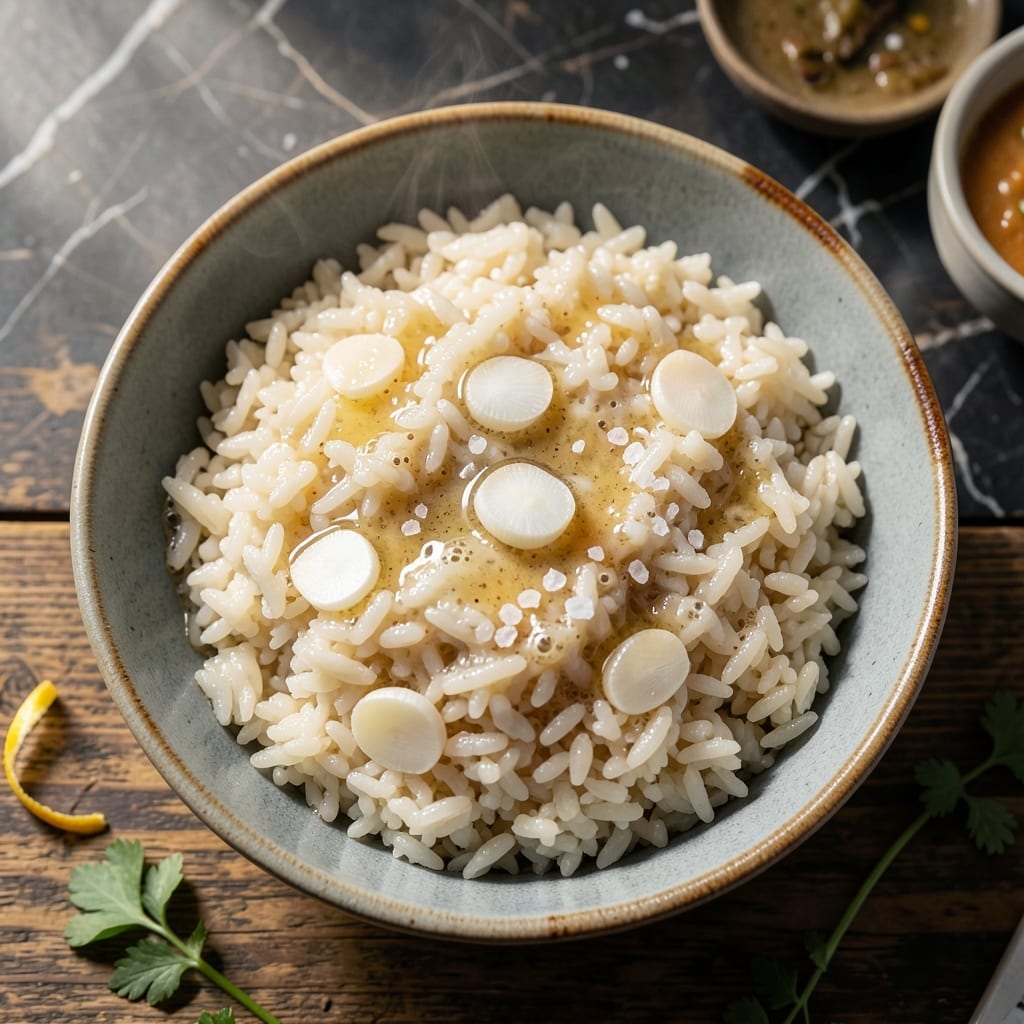
I’ve been experimenting with fermentation for years, and this rice dish stands out as the most rewarding project yet. The process transforms plain grains into something complex, tangy, and deeply nutty.
What makes this special is the natural fermentation, which develops layers of flavor while preserving nutrients. With just rice, water, and time, you’ll create a base that works in both savory and sweet dishes.
The result is tangy, aromatic rice with a subtle effervescence that elevates any meal. It’s versatile, vegan, and surprisingly simple to master at home.
Once fermented, use it in stir-fries, porridge, or as a side dish. The possibilities are endless.
Ingredients for Fermented Rice
Simple ingredients transform into something extraordinary with just a little patience and care.
| Ingredient | Amount | Notes |
|---|---|---|
| Jasmine Rice 🌾 | 2 cups | Rinsed until water runs clear |
| Filter Water 💧 | 4 cups | Room temperature preferred |
| Sea Salt 🧂 | ½ tsp | Non-iodized for fermentation |
| Distilled White Vinegar 🍶 | 1 tbsp | Kickstarts fermentation process |
| Sugar 🧈 | 1 tsp | Feeds the fermentation |
| Garlic Cloves 🧄 | 2 cloves | Optional for flavor boost |
| Fresh Ginger 🌿 | 1 piece | Thumb-sized, peeled and sliced |
| Green Onions 🧅 | 2 whole | Thinly sliced for garnish |
| Sesame Seeds 🌰 | 1 tbsp | Toasted for serving |
| Soy Sauce 🥫 | 1 tbsp | Low-sodium recommended |
| Rice Vinegar 🍚 | 1 tsp | For finishing touch |
The rice choice matters here. Jasmine gives that perfect sticky texture, but short-grain works too. Whole Foods or any Asian market will have great options. Avoid pre-cooked or instant rice—they won’t ferment properly. Use filter water if your tap water is heavily chlorinated, as chlorine can inhibit fermentation. I like to use a glass jar for the process (the clear kind, not the plastic stuff).
No jasmine rice? Short-grain brown rice works but takes longer to ferment. Skip the vinegar if you prefer a milder taste, though it does help prevent mold. Apple cider vinegar at the same amount makes a fine substitute. The sugar can be omitted, but it helps the culture get going. For extra depth, try adding a dried chili or two while fermenting.
Fermented rice keeps for 1 week in the fridge once ready. The flavor actually improves over 2-3 days. Freezing isn’t recommended—it kills the beneficial bacteria. Use it in stir-fries or soups, or just enjoy as is with a drizzle of soy sauce and sesame seeds.
Why You’ll Love This Recipe
- Set and Forget: I just mix jasmine rice with filtered water, salt, and a splash of vinegar, then let it sit—no babysitting required.
- Tangy Depth: The vinegar and sugar give it this subtle sweet-sour kick that’s way more interesting than plain rice.
- Meal Prep Hero: I keep a batch in the fridge and toss it into stir-fries, soups, or even as a base for grain bowls all week.
- Pennywise Staple: Jasmine rice and pantry basics stretch into multiple meals for barely any cost. Honestly, it’s my budget’s best friend.
Step-by-Step Instructions for Fermented Rice
This method delivers perfectly tangy rice with minimal effort and maximum flavor development.
Step 1: Prepare and Rinse the Rice
Start by placing the 2 cups Jasmine Rice in a fine-mesh strainer. Rinse under cold running water while gently agitating with your hand until the water runs completely clear—this removes excess starch that could interfere with fermentation.
This step typically takes 2-3 minutes of continuous rinsing. I’ve found that thoroughly rinsed rice produces a cleaner, more consistent ferment with better texture. Drain well, shaking the strainer gently to remove all excess water.
Step 2: Create the Fermentation Starter
In a large bowl, combine the 4 cups Filter Water, 0.5 tsp Sea Salt, 1 tbsp Distilled White Vinegar, and 1 tsp Sugar. Stir until the salt and sugar fully dissolve—the vinegar will help jumpstart the fermentation process while the sugar feeds the beneficial bacteria.
The water should be at room temperature, as cold water would slow the initial fermentation. I always use non-iodized sea salt here, as iodized salt can inhibit fermentation.
Step 3: Combine and Begin Fermentation
Add the rinsed Jasmine Rice to the water mixture and stir gently to combine. The rice should be fully submerged with about 1 inch of liquid above it. For extra flavor, you can add the 2 cloves Garlic Cloves and 1 piece Fresh Ginger at this stage, pressing them lightly to release their oils.
Cover the bowl with a clean kitchen towel or cheesecloth secured with a rubber band. This allows airflow while keeping out dust and insects. Place the bowl in a warm spot—ideally 70-75°F—away from direct sunlight.
Step 4: Monitor and Complete Fermentation
Let the mixture ferment undisturbed for 24-48 hours. You’ll know it’s working when you see small bubbles forming on the surface and smell a tangy, slightly sour aroma. Stir the mixture gently once after 12 hours to redistribute the rice and prevent any dry spots from forming on top.
The fermentation is complete when the rice has a slight effervescence and the liquid has turned cloudy. The grains should be softened but still hold their shape. If your kitchen is cooler, the process might take up to 72 hours.
Step 5: Finish and Serve
Once fermented, drain the rice in a fine-mesh strainer, reserving the liquid if desired for other fermented recipes. Rinse the rice briefly under cold water to stop the fermentation process, then drain well.
To serve, transfer the rice to a bowl and drizzle with 1 tbsp Soy Sauce and 1 tsp Rice Vinegar. Garnish with the 2 whole Green Onions (thinly sliced) and 1 tbsp Sesame Seeds (toasted). The rice should have a pleasant tang with a subtle nutty undertone.
Pro Tips For Making Fermented Rice
- Rinse the Rice: Wash jasmine rice 3-4 times until water runs clear to remove excess starch—this prevents slimy fermentation and gives cleaner flavor.
- Use Warm Water: Mix your brine (water, salt, sugar, vinegar) with warm filtered water—around 110°F—to help the fermentation kick off faster and more evenly.
- Skip Tap Water: I learned this the hard way—chlorine in tap water can inhibit fermentation, so always use filtered water for reliable results.
- Cover Loosely: Secure a lid but leave a tiny gap (or use a fermentation lock) to let gases escape while keeping dust out—your rice won’t develop off flavors from trapped CO2.
Creative Variations of This Dish
Sweet Rice Porridge
Transform your fermented rice into a comforting breakfast by simmering it with 2 cups coconut milk and 1 tbsp maple syrup for 15-20 minutes. The tangy rice balances the sweetness beautifully.
Top with fresh fruit like sliced mango or berries for added brightness. I love this with a sprinkle of toasted coconut flakes. 💛
Spicy Kimchi Fried Rice
Heat 1 tbsp sesame oil in a pan, add your fermented rice, and stir-fry for 3-4 minutes. Mix in ½ cup kimchi and 1 tbsp gochujang for a Korean-inspired dish with serious kick.
Finish with sliced green onions and a fried egg on top for extra richness. The tang of the rice pairs perfectly with the spicy kimchi.
Savory Rice Salad
Combine your fermented rice with diced cucumber, shredded carrots, and chopped cilantro. Toss with a dressing of 1 tbsp rice vinegar, 1 tsp soy sauce, and 1 tsp honey.
This light, refreshing salad is perfect for warm days. Add crushed peanuts for crunch.
Fermented Rice Soup
Simmer your fermented rice in 4 cups vegetable broth with 1 cup mushrooms and 1 tbsp grated ginger for 20 minutes. The rice adds depth and a slight tang to the broth.
Garnish with fresh herbs like cilantro or Thai basil for an aromatic finish. ✨
Nutrition Facts
Frequently Asked Questions
How long does the fermentation process take?
Typically 24-48 hours at 70-75°F. You’ll see bubbles and smell a tangy aroma when it’s ready. Cooler kitchens may need up to 72 hours.
Can I use a different type of rice?
Yes! Short-grain or brown rice work but may take longer. Avoid instant or pre-cooked rice, as they won’t ferment properly. Jasmine rice gives the best texture.
What if my rice develops mold?
Discard it immediately. Mold indicates contamination. To prevent this, ensure all utensils are clean and the rice is fully submerged in liquid during fermentation.
How should I store leftover fermented rice?
Keep it in an airtight container in the fridge for up to 1 week. The flavor deepens over 2-3 days. Freezing isn’t recommended.

- Gambia Jollof Rice Recipe: West African One-Pot Spice Fusion - October 5, 2026
- Cream of Wild Rice Soup Recipe Minnesota: Northwoods Creaminess With Foraged Grains - October 5, 2026
- Frozen Cauliflower Fried Rice Recipe: Quick Low-Carb Wok Magic - October 5, 2026