
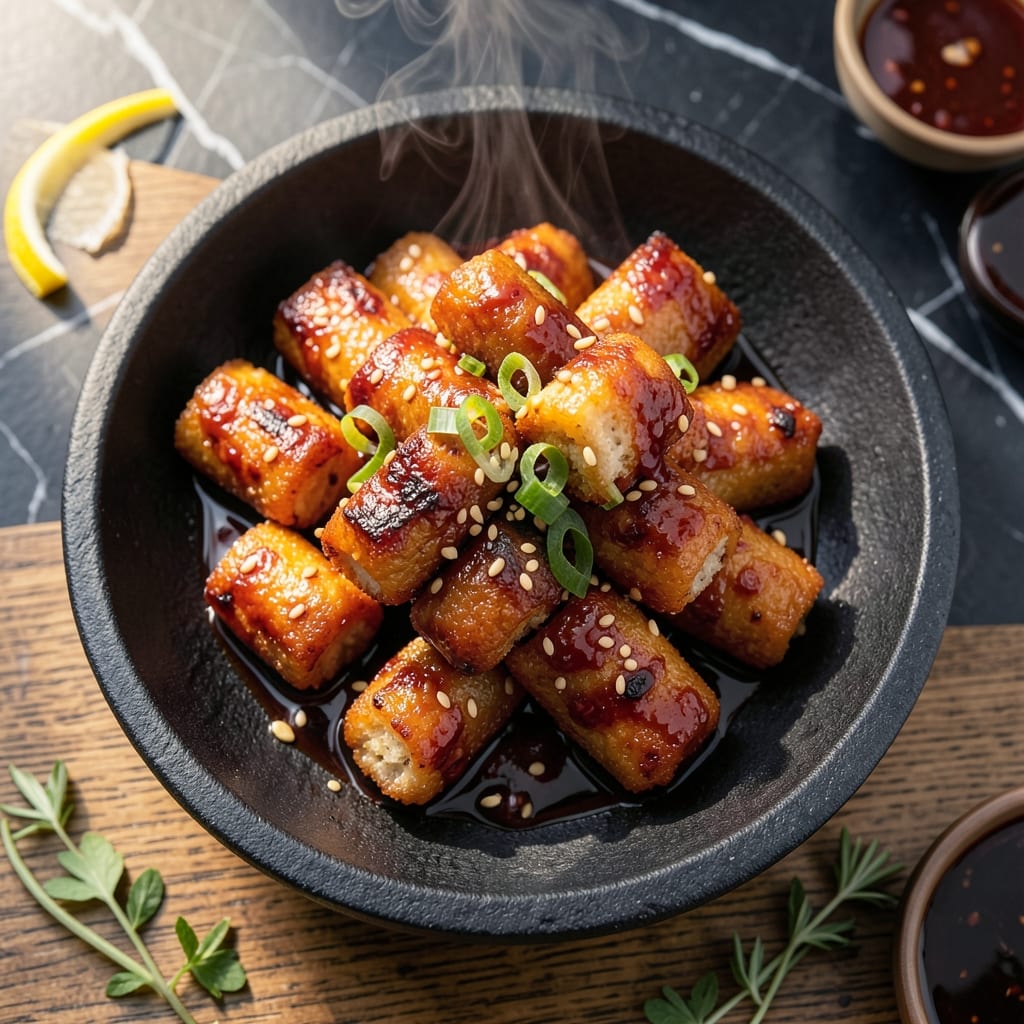
There’s a reason Korean fried rice cakes have taken the culinary world by storm—they deliver chewy, sweet-spicy perfection in every bite. This dish transforms simple rice cakes into a vibrant, sauce-coated masterpiece.
With a balance of heat from gochujang and depth from soy, this recipe brings restaurant-quality flavor to your kitchen. The key is cooking the rice cakes just until tender, allowing them to soak up the bold sauce without turning mushy.
Ingredients for Fried Korean Rice Cake
Transform simple rice cakes into vibrant, sauce-coated perfection with these carefully selected ingredients.
| Ingredient | Amount | Notes |
|---|---|---|
| Korean Rice Cakes 🍚 | 1 lb | Cylindrical, fresh or thawed |
| Gochujang 🌶️ | 3 tbsp | Korean red pepper paste |
| Soy Sauce 🥢 | 2 tbsp | Low-sodium preferred |
| Brown Sugar 🍚 | 1 tbsp | Light or dark variety |
| Garlic Cloves 🧄 | 4 cloves | Minced finely |
| Vegetable Oil 🫒 | 2 tbsp | Neutral flavor, for frying |
| Green Onions 🧅 | 4 whole | Thinly sliced, green parts only |
| Sesame Oil 🫒 | 1 tsp | Toasted, for finishing |
| Toasted Sesame Seeds 🌿 | 1 tbsp | For garnish |
| Red Pepper Flakes 🌶️ | ½ tsp | Korean gochugaru preferred |
| Fish Cake Slices 🐟 | 4 pieces | Optional, for added protein |
| Bell Pepper 🌶️ | ½ whole | Thinly sliced, any color |
| Onion 🧅 | ½ whole | Diced, yellow or white |
The rice cakes are the foundation—look for cylindrical tteok at Korean markets or the refrigerated section of well-stocked Asian grocery stores like H Mart. Freshness matters here; avoid any packages with ice crystals or a sour smell. Gochujang is non-negotiable for authentic flavor. Sempio or CJ brands are reliable and widely available. For soy sauce, opt for a quality Korean or Japanese variety.
No gochujang? Mix 2 tbsp sriracha with 1 tbsp miso paste for a passable substitute. Out of fish cakes? Shrimp or extra-firm tofu work well—press and cube the tofu first. Brown sugar can be swapped for honey or maple syrup (use 1.5 tbsp for equivalent sweetness). For a milder dish, reduce the gochugaru or omit entirely.
Store uncooked rice cakes in the freezer for up to 3 months. Once prepared, this dish keeps 2-3 days in the fridge, though it’s best enjoyed fresh. Reheat gently in a pan with a splash of water to restore the chewy texture. Always toast sesame seeds just before serving for maximum aroma.
Why You’ll Love This Recipe
- 20-Minute Meal: I can get this from pan to plate faster than delivery arrives. Just toss the rice cakes with the sauce and fry.
- Sweet-Spicy Addiction: That sticky gochujang glaze with the chewy rice cakes? I make extra because it disappears too fast.
- Crowd-Pleasing Side: Honestly, it’s my potluck secret weapon—vegetarians and meat-eaters both reach for seconds.
- Budget Stretcher: A pound of rice cakes costs pennies and transforms into a filling dish that feeds four with leftovers.
Step-by-Step Instructions for Fried Korean Rice Cake
Master the technique for perfectly chewy rice cakes with a glossy, spicy-sweet sauce every time.
Step 1: Prepare the Rice Cakes and Vegetables
If using frozen Korean rice cakes, soak them in warm water for 10-15 minutes until soft and pliable. Drain thoroughly and pat dry with a clean towel—excess moisture will prevent proper browning. For fresh rice cakes, simply rinse briefly under cold water to remove surface starch.
While the rice cakes soak, thinly slice the 4 whole green onions (green parts only), dice the 0.5 whole onion, and thinly slice the 0.5 whole bell pepper. Mince the 4 cloves garlic cloves finely. Having all your vegetables prepped in advance ensures they cook evenly and prevents burning during the stir-fry process.
Step 2: Make the Gochujang Sauce
In a small bowl, whisk together the 3 tbsp gochujang, 2 tbsp soy sauce, and 1 tbsp brown sugar until smooth. The brown sugar should dissolve completely into the thick paste, creating a glossy, reddish-brown sauce. Taste and adjust sweetness or spice if needed, but remember the flavors will mellow slightly during cooking.
This sauce serves as both the marinade for the vegetables and the coating for the rice cakes. The gochujang provides the signature fermented depth and heat, while the soy sauce adds saltiness and umami balance. Set the sauce aside while you start cooking the base ingredients.
Step 3: Stir-Fry the Aromatics and Vegetables
Heat 2 tbsp vegetable oil in a large, deep skillet or wok over medium-high heat until shimmering. Add the diced onion and cook for 2-3 minutes until the edges begin to soften and turn translucent. Then add the minced garlic, sliced bell pepper, and 0.5 tsp red pepper flakes, stirring constantly for 1-2 minutes until the garlic becomes fragrant.
Pour the prepared gochujang sauce into the skillet and stir to coat all the vegetables. Cook for another 2 minutes until the sauce begins to bubble and thicken slightly. If using, add the 4 pieces fish cake slices at this stage and cook for 1 minute to warm through and absorb some of the sauce flavor.
Step 4: Cook the Rice Cakes to Perfection
Add the drained Korean rice cakes to the skillet, stirring gently to coat them evenly in the sauce. Cook over medium heat for 5-7 minutes, stirring occasionally, until the rice cakes are heated through and develop a slightly chewy, almost elastic texture. You’ll notice the sauce will thicken further as the rice cakes absorb some of the liquid.
Watch for the rice cakes to develop a subtle sheen and soften completely—this indicates they’re properly cooked. If the mixture seems dry, add a splash of water and cover the skillet for 1-2 minutes to steam the rice cakes slightly. This step ensures they become tender without becoming mushy.
Step 5: Finish and Garnish
Remove the skillet from heat and drizzle with 1 tsp sesame oil, stirring to incorporate. The sesame oil adds a nutty aroma that complements the spicy-sweet flavors. Taste and adjust seasoning if needed, though the combination of gochujang and soy sauce typically provides a well-balanced flavor profile.
Transfer to a serving dish and garnish with the sliced 4 whole green onions and 1 tbsp toasted sesame seeds. The green onions add a fresh, crisp contrast to the chewy rice cakes, while the sesame seeds provide a delightful textural crunch. Serve immediately while hot, as the rice cakes are best enjoyed fresh from the pan.
Pro Tips For Making Fried Korean Rice Cake
- Soak the Rice Cakes: If using dried rice cakes, soak them in warm water for 15-20 minutes until soft—otherwise they’ll stay hard in the center no matter how long you fry them.
- Bloom the Gochujang: Cook the gochujang, garlic, and brown sugar together for 1-2 minutes before adding the rice cakes; this deepens the flavor and prevents a raw, pasty sauce.
- High Heat, Fast Stir: Use medium-high heat and stir constantly once the rice cakes hit the pan, or they’ll stick and burn before getting that chewy, slightly crispy texture.
- Finish with Soy Sauce: Add the soy sauce at the very end instead of with the sauce—it keeps the rice cakes from absorbing too much liquid and turning mushy.
Common Mistakes When Making fried korean rice cake
Over-Soaking Rice Cakes
Soaking frozen rice cakes for more than 15 minutes makes them absorb too much water, leading to a mushy texture instead of that perfect chew. I’ve ruined batches this way—trust me, 10-15 minutes in warm water is the sweet spot. 💡
Skipping the Drain
After soaking, always drain rice cakes thoroughly and pat them dry. Excess water causes the oil to splatter violently and prevents proper browning. Use a clean kitchen towel to blot off every drop before cooking.
This step also helps the sauce cling better to the rice cakes’ surface.
High Heat Mistake
Cooking rice cakes over high heat can make them tough on the outside while staying raw inside. Stick to medium heat for even cooking and that signature elastic texture. Stir frequently to prevent sticking.
Sauce Overload
Using too much gochujang sauce makes the dish overly sweet and masks the rice cakes’ natural flavor. Stick to the recipe’s 3 tbsp gochujang to 1 lb rice cakes ratio for balanced flavor. 🌶️
Early Garnishing
Adding sesame seeds or green onions too early can make them soggy. Always garnish just before serving to maintain freshness and crunch. I keep my toppings ready in small bowls for quick finishing.
Nutrition Facts
Frequently Asked Questions
What can I use if I don’t have gochujang?
Mix 2 tbsp sriracha with 1 tbsp miso paste for a similar spicy-sweet flavor. It won’t be identical but works in a pinch.
How do I prevent rice cakes from sticking?
Pat them completely dry after soaking and cook over medium heat. Stir frequently and add a splash of water if they seem dry.
Can I make this dish less spicy?
Reduce or omit the 0.5 tsp red pepper flakes and use less gochujang. Start with 2 tbsp and adjust to taste.
How long can I store leftovers?
Keep in an airtight container in the fridge for 2-3 days. Reheat gently with a splash of water.

- Jollof Rice Sauce Recipe: West African Tomato and Spice Infusion - September 25, 2026
- Japanese Rice Soup Recipe: Umami-Rich Comfort in a Bowl - September 25, 2026
- Homemade Cream Of Rice Recipe: Silk-Smooth Breakfast in Minutes - September 25, 2026