
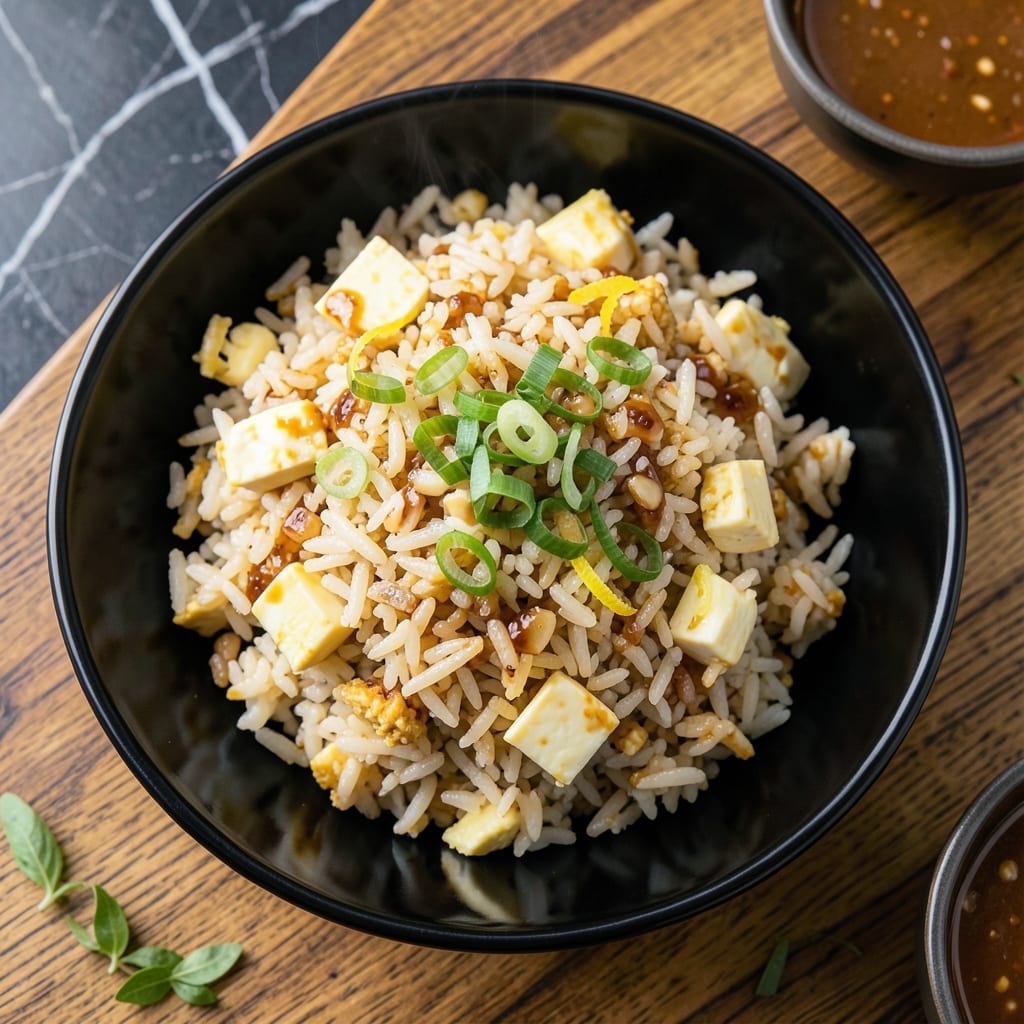
This recipe transforms leftover rice into a wok-charred masterpiece with minimal effort. The key lies in using day-old rice, which holds its shape and absorbs flavors without turning mushy.
I developed this method in my tiny Boston kitchen, testing variations to perfect the balance of savory soy, aromatic vegetables, and just the right amount of heat. The high heat of a wok creates that signature slightly crispy texture.
You’ll achieve restaurant-quality results with simple ingredients and a few essential techniques. The process is straightforward but demands attention to detail for the best outcome.
This dish proves that the best meals often come from humble beginnings. Ready to revive that forgotten rice?
Ingredients for Fried Rice Recipe with Old Rice
A handful of pantry staples plus that forgotten rice create this wok-charred sensation.
| Ingredient | Amount | Notes |
|---|---|---|
| Day-Old Cooked White Rice 🍚 | 4 cups | Cold, dry, preferably refrigerated overnight |
| Large Eggs 🥚 | 3 whole | Lightly beaten for scrambling |
| Vegetable Oil 🫒 | 3 tbsp | High smoke point oil preferred |
| Garlic Cloves 🧄 | 4 cloves | Minced for aromatic base |
| Fresh Ginger Root 🌿 | 1 tbsp | Peeled and finely grated |
| Green Onions 🧅 | 4 whole | Thinly sliced, whites and greens separated |
| Frozen Peas and Carrots 🥕 | 1 cup | Thawed, no need to cook first |
| Soy Sauce 💧 | 3 tbsp | Low-sodium preferred for control |
| Oyster Sauce 🍶 | 1 tbsp | Optional but adds depth |
| Sesame Oil 🫒 | 1 tsp | Toasted variety for finishing |
| Salt 🧂 | ½ tsp | Adjust to taste at end |
| Ground White Pepper 🌶️ | ¼ tsp | Traditional for authentic flavor |
| Cooked Diced Chicken Breast 🍗 | 1 cup | Optional protein addition |
The rice is non-negotiable—day-old, cold, and dry is what gives you that perfect texture. I grab mine from the fridge after takeout night. For the soy sauce, Kikkoman is reliable, but I’ll splurge on Pearl River Bridge for that extra depth. The oil needs to handle high heat, so peanut or avocado oil works if you’re avoiding vegetable oil. Ginger and garlic? Fresh only—no powders here (trust me on this).
No oyster sauce? Hoisin or fish sauce can sub in, but cut back by half—it’s saltier. Want it vegetarian? Skip the oyster sauce entirely and add a pinch of sugar for balance. Frozen veggies not your thing? Fresh bell peppers or snap peas work great, just dice them small. The chicken is optional, but if you’re adding it, cook it first and set it aside.
Leftover fried rice keeps for 3-4 days in the fridge, but honestly, it’s best fresh. Reheat in a skillet with a splash of oil to revive the texture. The ginger and garlic paste? Freeze extras in ice cube trays for next time—saves prep work.
Why You’ll Love This Recipe
- One Pan Wonder: I toss everything into a single skillet—rice, eggs, garlic, ginger—and it’s done in minutes.
- Crave-Worthy Aroma: The sizzle of garlic and ginger in hot oil makes my kitchen smell like a takeout joint.
- Weeknight Hero: Honestly, it’s my go-to for busy evenings when I need dinner fast.
- Leftovers Reinvented: Day-old rice actually works better here, and it’s the perfect way to use up what’s in the fridge.
Step-by-Step Instructions for Wok-Charred Savory Revival
This method transforms leftover rice into a restaurant-quality dish with perfect texture and flavor.
Step 1: Prep and Scramble the Eggs for a Silky Base
First, lightly beat the 3 whole Large Eggs in a small bowl until no streaks remain. Heat 1 tablespoon of the 3 tbsp Vegetable Oil in your wok over medium-high heat until it shimmers. Pour in the eggs and let them sit undisturbed for 10 seconds.
As the edges begin to set, gently stir with a spatula, breaking the curds into small, soft pieces. When the eggs are just set but still moist, transfer them to a plate. This ensures they stay tender and don’t overcook when added back later.
Step 2: Sauté Aromatics Until Fragrant and Golden
Add the remaining 2 tbsp Vegetable Oil to the wok and heat until glistening. Toss in the minced 4 cloves Garlic Cloves and finely grated 1 tbsp Fresh Ginger Root, stirring constantly for 30 seconds until fragrant and just beginning to turn golden brown.
Next, add the white parts of the 4 whole Green Onions and stir-fry for another 20 seconds. The aroma at this stage should be intoxicating—this is the flavor foundation of your dish. Be careful not to let the garlic burn, or it will turn bitter.
Step 3: Char the Rice and Vegetables for Maximum Flavor
Increase the heat to high and add the 4 cups Day-Old Cooked White Rice, breaking up any clumps with your spatula. Press the rice down firmly and let it sit undisturbed for 1-2 minutes to develop a light crust on the bottom.
Stir in the thawed 1 cup Frozen Peas and Carrots and the 1 cup Cooked Diced Chicken Breast, tossing everything together for 2-3 minutes until the rice is heated through and slightly crispy in spots. The peas and carrots should be tender and bright in color.
Step 4: Season and Finish with Signature Sauces
Reduce the heat to medium and return the scrambled eggs to the wok. Drizzle the 3 tbsp Soy Sauce and 1 tbsp Oyster Sauce evenly over the rice, then sprinkle with 0.5 tsp Salt and 0.25 tsp Ground White Pepper.
Toss everything together vigorously for 1-2 minutes until the rice is evenly coated and the sauces are fully incorporated. The rice should be glossy and uniformly colored. Remove from heat, stir in the 1 tsp Sesame Oil, and garnish with the green parts of the 4 whole Green Onions.
Pro Tips For Making Fried Rice Recipe With Old Rice
- Crank the Heat: Use high heat—about medium-high to high—so the rice gets that slightly charred, nutty flavor. I learned this the hard way after too many batches of soggy fried rice.
- Break Up the Rice: Before frying, use your hands or a fork to break up any clumps in the day-old rice. Sounds tedious, but it prevents those unwanted rice balls in the final dish.
- Skip the Fresh Rice: Resist the urge to use freshly cooked rice—it’s too moist and will turn to mush. Day-old, dry rice from the fridge is non-negotiable for that perfect texture.
- Prep Eggs Last: Crack the eggs into the pan after the rice is already hot and sizzling. This keeps them from turning rubbery and ensures they scramble just right into the dish.
Best Sauces and Condiments for This Dish
Classic Soy Base
I always start with low-sodium soy sauce—Kikkoman is my go-to for its clean, balanced flavor. It adds the perfect salty depth without overpowering. For this dish, 3 tbsp gives you that classic fried rice taste we all crave.
Oyster Sauce Depth
Pearl River Bridge oyster sauce is my secret weapon for umami richness. Just 1 tbsp transforms the dish with its thick, slightly sweet complexity. If you don’t have it, hoisin sauce works in a pinch but use ½ tbsp to avoid over-sweetening.
Sesame Finishing Touch
A final drizzle of toasted sesame oil—just 1 tsp—adds that nutty aroma that makes your kitchen smell like a Chinese takeout. I add it off heat to preserve its delicate flavor. 💛
Spicy Sriracha Kick
For heat lovers, I keep Sriracha on the table. A ½ tsp drizzle per serving adds the right amount of spice without overwhelming the other flavors. It pairs especially well with the chicken version.
Sweet Chili Balance
Mae Ploy sweet chili sauce offers a perfect sweet-spicy contrast. Serve it on the side for dipping—about 1 tbsp per bowl. The sticky texture clings beautifully to each grain of rice.
Fresh Lime Zing
A squeeze of fresh lime brightens all the rich flavors. I cut 1 lime into wedges for serving. The acidity cuts through the oiliness and makes every bite taste fresher. 🍋
Nutrition Facts
Frequently Asked Questions
Why does old rice work better?
Old rice is drier and holds its shape better when stir-fried. Fresh rice contains too much moisture, which makes it clump and turn mushy in the wok.
Can I use brown rice instead?
Yes, but it may require a bit more oil and 1-2 extra minutes of cooking. Brown rice has a firmer texture, so break up clumps thoroughly before stir-frying.
How do I prevent soggy fried rice?
Use high heat and avoid overcrowding the wok. Cook in batches if needed, and make sure your rice is completely cold and dry before starting.
What’s the best wok for this?
A well-seasoned carbon steel wok is ideal, but a large, heavy skillet works too. The key is getting it ripping hot before adding ingredients.

- Jollof Rice Sauce Recipe: West African Tomato and Spice Infusion - September 25, 2026
- Japanese Rice Soup Recipe: Umami-Rich Comfort in a Bowl - September 25, 2026
- Homemade Cream Of Rice Recipe: Silk-Smooth Breakfast in Minutes - September 25, 2026