
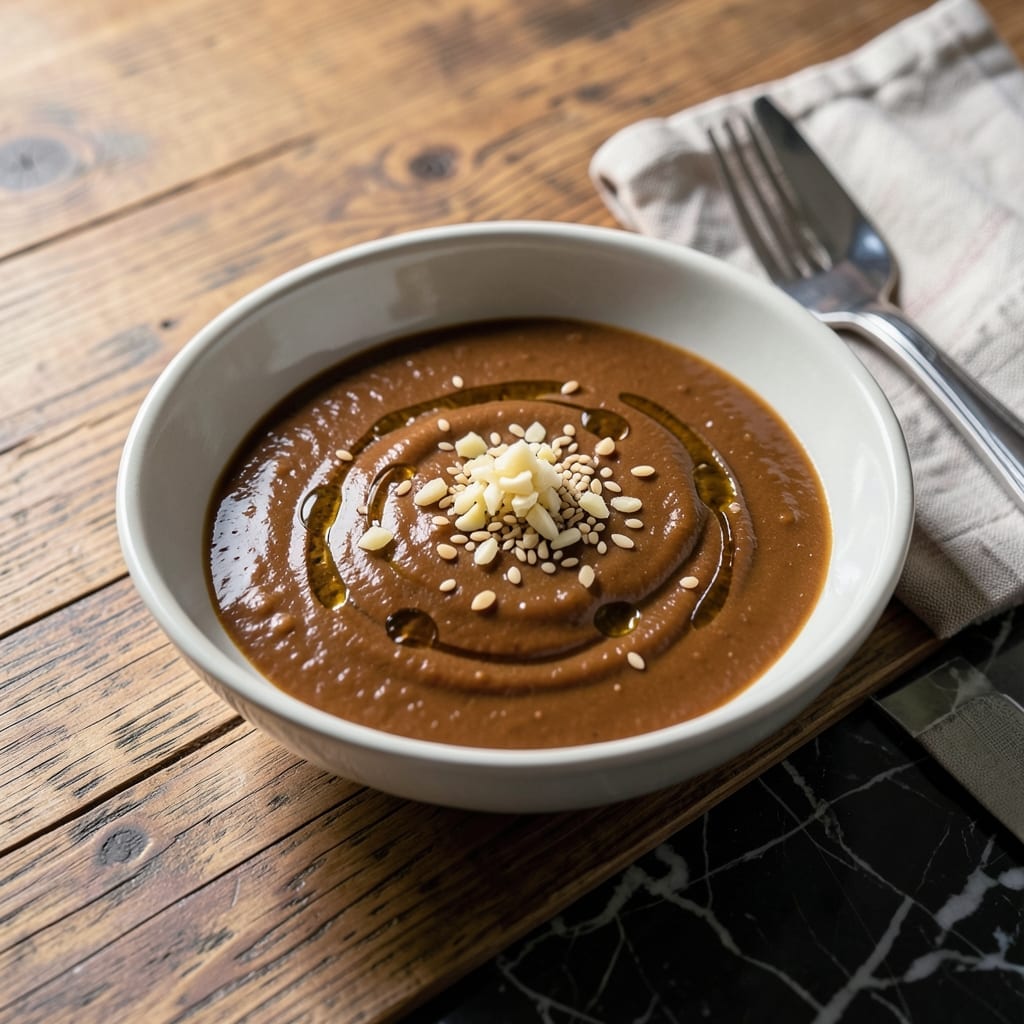
I’ve spent years perfecting this sauce because good fried rice deserves bold flavor, not just soy sauce. This version skips oyster sauce but still packs that savory punch your taste buds crave.
The secret is in the combo of soy sauce, sesame oil, and a touch of sugar for balance. I add garlic and ginger for depth, creating layers that make every grain of rice taste intentional.
It’s the easiest way to turn plain rice into a restaurant-worthy dish. Just whisk it together and pour over your stir-fry.
Between you and me, I use this on everything from veggies to tofu. It keeps for a week in the fridge.
Ingredients for Fried Rice Sauce Recipe Without Oyster Sauce
Eight pantry staples create that bold savory punch your fried rice deserves.
| Ingredient | Amount | Notes |
|---|---|---|
| Soy Sauce 🫒 | ½ cup | Low-sodium preferred for control |
| Sesame Oil 🫒 | 2 tbsp | Toasted for deeper aroma |
| Granulated Sugar 🧂 | 1 tbsp | Balances salty and savory notes |
| Garlic Cloves 🧄 | 4 cloves | Minced finely for even flavor |
| Fresh Ginger 🌿 | 1 tbsp | Peeled and grated fresh |
| Rice Vinegar 🍶 | 2 tbsp | Adds subtle tangy brightness |
| Vegetable Broth 🥫 | ¼ cup | Low-sodium for flexibility |
| Miso Paste 🥣 | 1 tbsp | White or red for umami depth |
The soy sauce is your foundation—Kikkoman or San-J are my go-tos. Sesame oil loses its punch fast, so check the date and store it in the fridge after opening. Fresh ginger and garlic are non-negotiable here (the jarred stuff just doesn’t cut it). I grab mine from Whole Foods or any well-stocked produce section. Miso paste might seem niche, but Miso Master or South River brands keep forever in the fridge.
No miso? Vegan Worcestershire sauce (Annie’s brand) works in a pinch. Short on garlic? Garlic powder at half the amount keeps the flavor going. The rice vinegar can be swapped for apple cider vinegar if that’s what you’ve got. If you’re out of fresh ginger, ground ginger at one-quarter the amount gets you close. The sugar can be maple syrup for a touch of complexity.
This keeps 1 week in the fridge—any longer and the garlic starts to ferment. Freeze in ice cube trays for 3 months. The oils might separate, but a quick shake brings it back together. Always taste before using—flavors meld and deepen over time.
Why You’ll Love This Recipe
- No-Fuss Mix: I just dump soy sauce, sesame oil, sugar, minced garlic, and grated ginger in a bowl—no cooking, no fuss.
- Umami Bomb: Honestly, the garlic and ginger in this sauce give my fried rice that deep, savory kick I crave.
- Meal Prep Hero: I make a big batch on Sunday and drizzle it over rice all week—breakfast, lunch, or midnight snack.
- Pantry Staples: Between us, I always have these five ingredients on hand, so dinner’s saved even when the fridge is bare.
Step-by-Step Instructions for Fried Rice Sauce Without Oyster Sauce
This simple method combines pantry staples into a rich, savory sauce that transforms your fried rice.
Step 1: Sauté Aromatics for Deep Flavor Base
Heat a small saucepan over medium heat and add the 2 tbsp Sesame Oil. When it shimmers, add the 4 cloves Garlic Cloves and 1 tbsp Fresh Ginger, both minced finely. Sauté for 1-2 minutes until fragrant and just beginning to turn golden.
Watch closely—garlic burns quickly. You want it to soften and release its aroma without browning too much. This step builds the foundation of flavor for your sauce. The sesame oil adds a toasty depth that complements the other ingredients perfectly.
Step 2: Bloom the Umami with Miso Paste
Stir in the 1 tbsp Miso Paste and cook for 30 seconds to 1 minute, pressing it into the oil with the back of a spoon. This process, called blooming, activates the fermented flavors and ensures they distribute evenly throughout the sauce.
You’ll notice the mixture darken slightly and become more fragrant. The miso paste adds that crucial umami depth that replaces what oyster sauce would typically provide. Don’t skip this quick cooking step—raw miso can taste harsh and won’t blend as smoothly into the final sauce.
Step 3: Combine Liquids and Sweeten
Pour in the 0.5 cup Soy Sauce, 0.25 cup Vegetable Broth, and 2 tbsp Rice Vinegar. Stir well to combine, then add the 1 tbsp Granulated Sugar. Bring the mixture to a gentle simmer over medium heat.
The sugar balances the saltiness of the soy sauce and the tang of the rice vinegar. As it dissolves, you’ll see the sauce take on a glossy sheen. Let it simmer for 3-4 minutes until the sugar is fully dissolved and the flavors begin to meld together.
Step 4: Simmer and Reduce to Perfection
Reduce the heat to low and let the sauce simmer gently for 5-7 minutes. You’re looking for it to reduce slightly and thicken enough to coat the back of a spoon. Stir occasionally to prevent sticking, especially as it thickens toward the end.
The sauce should be smooth and well-blended, with no visible separation. Taste and adjust if needed—though with these proportions, you should have a perfect balance of salty, sweet, tangy, and umami flavors. The vegetable broth helps mellow the intensity while adding depth.
Step 5: Cool and Store for Maximum Flavor
Remove the sauce from heat and let it cool to room temperature. As it cools, it will thicken slightly more. This makes it easier to incorporate into your fried rice without making the dish soggy.
Transfer to an airtight container. The sauce will keep in the refrigerator for up to 1 week, and the flavors will continue to develop over time. Use about 2-3 tablespoons per serving of fried rice, adjusting to taste. This recipe makes enough for 4 servings of fried rice.
Pro Tips For Making Fried Rice Sauce Recipe Without Oyster Sauce
- Bloom the Aromatics: Cook the minced garlic and ginger in sesame oil for 30-45 seconds until fragrant—any longer and they’ll turn bitter. I learned this the hard way after burning a few batches.
- Balance the Sweetness: Use ½ teaspoon of sugar per tablespoon of soy sauce to offset the saltiness. My grandmother swore by this ratio, and it keeps the sauce from tasting flat.
- Skip the Overcooking: Simmer the sauce for just 1-2 minutes to meld the flavors—longer cooking reduces it too much and makes it cloying.
- Rest the Sauce: Let it sit for 5 minutes before using. Sounds weird, but it works: the flavors deepen and the sugar fully dissolves.
Best Sauces and Condiments for These Flavors
Enhancing the Sauce
For extra depth, add 1 tsp Sriracha or ½ tsp red pepper flakes for heat. I love how this balances the sweetness. A splash of 1 tbsp lime juice brightens the flavors beautifully. 🌶️
Pairing with Proteins
This sauce works wonderfully with tofu—marinate cubes for 15 minutes before stir-frying. For meat lovers, chicken thighs or shrimp soak up the flavor. The umami notes complement any protein perfectly.
Vegetable Pairings
Sauté bell peppers, snap peas, or carrots before adding rice. Their crisp texture contrasts the sauce’s richness. I always use whatever’s fresh from my Portland garden.
Rice Selection
Day-old jasmine or basmati rice works best—it absorbs the sauce without turning mushy. For extra fluffiness, rinse the rice before cooking. The grains stay separate, letting the sauce shine.
Garnish Ideas
Top with green onions and sesame seeds for freshness. A drizzle of extra sesame oil adds aroma. These finishing touches elevate the dish visually and flavor-wise. ✨
Storage Tip
Keep the sauce in a glass jar in the fridge for up to 1 week. The flavors deepen over time. Shake well before using, as the oils may separate.
Nutrition Facts
Frequently Asked Questions
Can I use tamari instead of soy sauce?
Tamari is a great gluten-free alternative with a similar umami depth. Use the same ½ cup measurement for equivalent flavor. It may be slightly thicker, but it blends perfectly.
What if I don’t have miso paste?
Substitute 1 tbsp vegan Worcestershire sauce or 1 tsp soy sauce + ½ tsp nutritional yeast for umami. The flavor won’t be identical but will still be delicious.
How long does the sauce last?
Stored in an airtight container in the fridge, it keeps for 1 week. For longer storage, freeze in ice cube trays for up to 3 months.

- Rice Pudding Recipe With Eggs and Milk: Old-Fashioned Custard-Style Comfort - September 30, 2026
- Rice Noodle Sauce Recipe: Bold Umami Depth for Authentic Stir-Fry - September 30, 2026
- Rice Pilaf Recipe: Fragrant Basmati With Toasted Vermicelli - September 30, 2026