
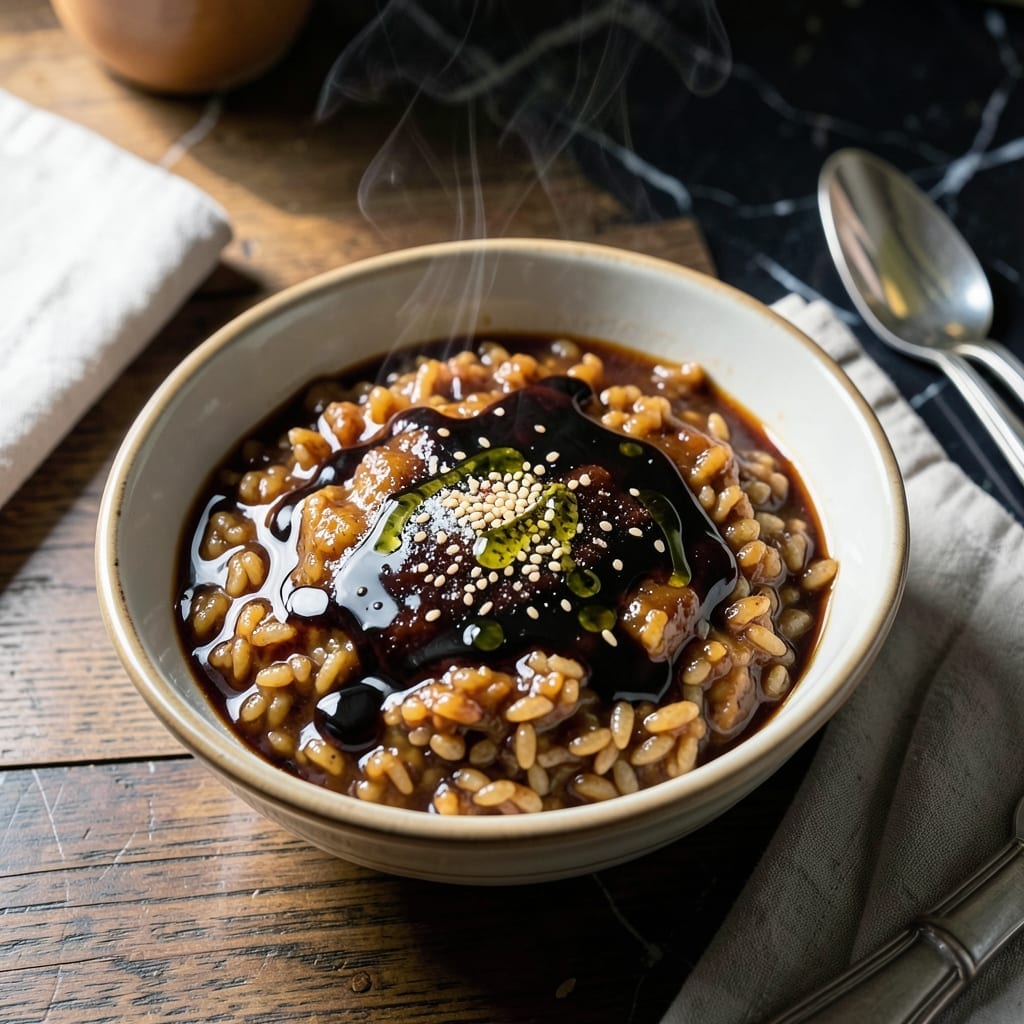
This sauce is the secret to achieving perfect fried rice every time. I developed this umami-rich base after years of experimenting with wok cooking, and it transforms basic ingredients into restaurant-quality results.
The blend combines soy sauce, garlic, and aromatics in precise proportions to create a balanced, savory foundation. It’s designed to coat each grain of rice evenly, ensuring consistent flavor in every bite.
What sets this apart is its versatility—use it as a base for any fried rice variation, from classic egg to loaded vegetable or protein-packed versions. The sauce keeps its depth of flavor without overpowering other ingredients.
Make a batch ahead and store it in the fridge for up to a week. It’s the shortcut to professional-tasting fried rice at home.
Ingredients for Fried Rice Sauce
Nine ingredients. Precise ratios. Restaurant-quality fried rice sauce ready in minutes.
| Ingredient | Amount | Notes |
|---|---|---|
| Low-Sodium Soy Sauce 🫒 | ½ cup | Base for umami depth |
| Oyster Sauce 🐚 | 2 tbsp | Thick, savory-sweet essence |
| Dark Soy Sauce 🫒 | 1 tbsp | Adds color and complexity |
| Sesame Oil 🫒 | 1 tbsp | Toasted variety for aroma |
| Rice Vinegar 🍯 | 1 tbsp | Balances richness with acidity |
| Granulated Sugar 🧂 | 1 tsp | Rounds out salty edges |
| Garlic Cloves 🧄 | 4 cloves | Minced finely for even distribution |
| Fresh Ginger 🌿 | 1 tbsp | Grated or minced fresh |
| White Pepper 🌶️ | ½ tsp | Subtle heat without color |
The soy base is non-negotiable for authentic depth. Kikkoman low-sodium and Pearl River Bridge dark soy are professional standards—find them at Asian markets or the international aisle. Oyster sauce is the secret weapon; Lee Kum Kee is the most accessible brand with consistent quality. Always check labels for MSG-free versions if preferred, but traditional recipes embrace it.
No oyster sauce? Vegetarian oyster sauce (mushroom-based) works perfectly. Dark soy can be swapped with extra regular soy plus 1 tsp molasses for color. Rice vinegar is milder than other varieties—apple cider vinegar at half the amount in a pinch. Fresh ginger is ideal but powdered at one-quarter the quantity works if that’s what’s on hand.
This keeps beautifully. Store in a sealed jar in the fridge for up to 1 week, or freeze in ice cube trays for 3 months. The flavors actually deepen after a day, making it perfect for meal prep. Shake before using as ingredients may settle.
Why You’ll Love This Recipe
- 5-Minute Mix: I just dump all the sauces in one bowl—soy, oyster, dark soy, sesame oil, rice vinegar—and stir. Honestly, it’s faster than waiting for takeout.
- Umami Bomb: The oyster sauce and dark soy create this deep, savory richness that makes every grain of rice taste like it came from a restaurant.
- Weeknight MVP: I use it for fried rice, obviously, but also drizzle it on noodles or stir-fried veggies when I’m too tired to think.
- Stretches Further: One batch makes enough for three meals, and it keeps for a week in the fridge. I’ll be real: it’s saved me from ordering in more times than I can count.
Step-by-Step Instructions for Fried Rice Sauce
Master this sauce preparation and your wok dishes will achieve restaurant-quality depth and balance.
Step 1: Infuse the Aromatics
Heat a small saucepan over medium-low heat. Add the 1 tbsp Sesame Oil and swirl to coat the bottom evenly. The oil should shimmer but not smoke—this ensures the aromatics infuse without burning.
Immediately add the 4 cloves Garlic Cloves (minced) and 1 tbsp Fresh Ginger (grated). Stir constantly for 30-45 seconds until the mixture becomes fragrant and lightly golden. This step releases their essential oils, creating the flavor foundation for your sauce.
Step 2: Build the Umami Base
Pour in the 0.5 cup Low-Sodium Soy Sauce, 2 tbsp Oyster Sauce, and 1 tbsp Dark Soy Sauce. Increase heat to medium and bring to a gentle simmer. Stir to combine as the sauces meld together.
The Oyster Sauce will add thickness and a deep savory-sweetness, while the Dark Soy Sauce contributes rich color and complexity. Allow the mixture to simmer for 2-3 minutes until slightly reduced.
Step 3: Balance the Flavors
Add the 1 tbsp Rice Vinegar and 1 tsp Granulated Sugar. Stir well to dissolve the sugar completely. The vinegar cuts through the richness, while the sugar rounds out the sharp edges of the soy and vinegar.
Taste the sauce at this stage—you should detect a harmonious balance of salty, sweet, and tangy notes. If needed, adjust the sweetness slightly, but the original measurements should yield perfect balance.
Step 4: Finish with Spice and Rest
Stir in the 0.5 tsp White Pepper. Unlike black pepper, white pepper adds subtle heat without altering the sauce’s color. Remove the saucepan from heat and let the sauce rest for 5 minutes to allow the flavors to fully meld.
The finished sauce should be glossy, richly colored, and coating the back of a spoon. It will have a complex umami depth with a balanced sweet-tangy finish that elevates any fried rice dish.
Pro Tips For Making Fried Rice Sauce
- Heat the Oils First: I learned this the hard way—always warm the sesame oil and other sauces together for 30 seconds before mixing. It blends the flavors better than cold ingredients ever could.
- Measure the Soy Sauces: Low-sodium and dark soy sauce aren’t interchangeable. Use 2 parts low-sodium to 1 part dark for color without overwhelming saltiness.
- Skip the Overmixing: Stir just until combined—overworking the sauce after adding rice vinegar can make it separate. A few gentle swirls is all it needs.
- Add Vinegar Last: My grandmother swore by this, and she was right: mix the rice vinegar in after the other ingredients to keep its bright acidity from dulling in the heat.
Storing and Reheating fried rice sauce
Refrigerator Storage
Let the sauce cool completely before transferring to an airtight glass jar. Store in the fridge at 40°F or below for up to 1 week. The flavors actually deepen after 24 hours, making it ideal for meal prep. ❄️
Freezer Storage
For longer storage, pour into ice cube trays and freeze for 4 hours until solid. Then transfer cubes to a freezer bag for up to 3 months. This portioning method lets you use just what you need. 💡
Thawing Instructions
Move frozen cubes to the fridge overnight or thaw in the microwave on 50% power for 30-second intervals. Stir between intervals to prevent hot spots. Avoid thawing at room temperature to maintain food safety.
Reheating Methods
Gently warm in a small saucepan over low heat for 2-3 minutes, stirring frequently. For quick reheating, microwave in 15-second bursts at 70% power, stirring between each burst. 🔥
Usage After Storage
Shake or stir well before using, as ingredients may separate. If the sauce thickens in storage, thin with 1-2 tsp water or broth. Taste and adjust seasoning if needed—sometimes flavors concentrate during storage.
Nutrition Facts
Frequently Asked Questions
Can I make this without oyster sauce?
Yes! Use vegetarian oyster sauce (mushroom-based) as a direct substitute. For a DIY option, mix 1 tbsp hoisin sauce with 1 tsp soy sauce to mimic the flavor.
How long does homemade sauce last in the fridge?
Stored in an airtight container, it stays fresh for up to 1 week. The flavors actually deepen after 24 hours, making it perfect for meal prep.
Can I adjust the sweetness?
Start with the recipe’s 1 tsp sugar, then add more in 1/4 tsp increments to taste. Balance is key—too much sweetness can overpower the umami.
Why use white pepper instead of black?
White pepper provides subtle heat without dark flecks, keeping your sauce’s color clean. It’s a classic choice in Chinese cooking for light-colored dishes like fried rice.

- Rice Pudding Recipe With Eggs and Milk: Old-Fashioned Custard-Style Comfort - September 30, 2026
- Rice Noodle Sauce Recipe: Bold Umami Depth for Authentic Stir-Fry - September 30, 2026
- Rice Pilaf Recipe: Fragrant Basmati With Toasted Vermicelli - September 30, 2026