
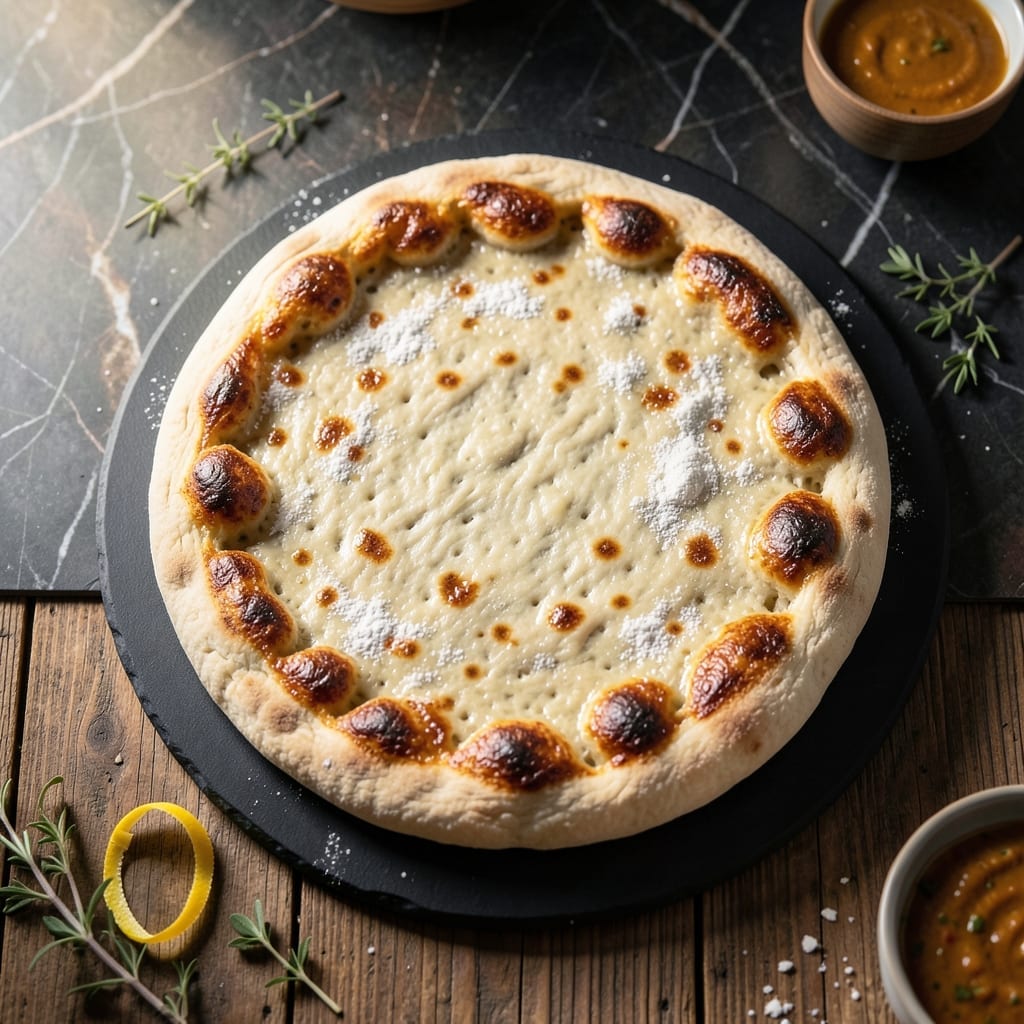
This gluten-free pizza dough delivers the chewy texture and airy bite you’ve been missing, all with rice flour as the base. No specialty blends required—just simple ingredients and a precise method.
After years of testing, I’ve perfected a dough that holds its shape, bakes to a golden finish, and satisfies even the most devoted gluten lovers. The key lies in proper hydration and resting time.
Ingredients for Gluten Free Pizza Dough Recipe Rice Flour
Simple gluten-free flours and binders create a dough that rises, stretches, and bakes beautifully.
| Ingredient | Amount | Notes |
|---|---|---|
| White Rice Flour 🌾 | 2 cups | Fine grind for smooth texture |
| Tapioca Starch 🌾 | ¾ cup | Also called tapioca flour |
| Potato Starch 🥔 | ½ cup | Not potato flour, different product |
| Xanthan Gum 🧪 | 1 tsp | Essential for elasticity and structure |
| Active Dry Yeast 🍞 | 2 ¼ tsp | One packet, proofed in warm water |
| Granulated Sugar 🍚 | 1 tsp | Feeds the yeast for activation |
| Salt 🧂 | 1 tsp | Fine sea salt preferred |
| Olive Oil 🫒 | 2 tbsp | Extra-virgin for best flavor |
| Warm Water 💧 | 1 ¼ cups | 110-115°F for yeast activation |
| Apple Cider Vinegar 🍏 | 1 tbsp | Adds tang and aids rise |
| Psyllium Husk Powder 🌿 | 2 tsp | Binds and adds chewiness |
The rice flour base is non-negotiable for proper texture. Bob’s Red Mill offers a consistent fine grind, but any brand works if it’s labeled white rice flour—not brown rice flour, which behaves differently. Xanthan gum and psyllium husk powder are your binders; Whole Foods or Natural Grocers carry both. Yeast freshness is critical—check the expiration date, as old yeast won’t activate properly.
No xanthan gum? Guar gum at equal amounts works, but texture may vary slightly. Out of psyllium husk powder? Ground flaxseed at double the quantity can substitute in a pinch, though the dough may be denser. Tapioca and potato starches can be swapped for cornstarch, but stick to the same total starch weight. Use a kitchen scale for accuracy if you’re experimenting with substitutions.
Store dry ingredients in airtight containers in a cool pantry for up to 6 months. The dough itself is best used immediately after rising, but can be refrigerated for 24 hours before baking if needed. Pre-measure your flours for faster prep next time.
Why You’ll Love This Recipe
- No Fuss Mixing: I just dump the rice flour, tapioca starch, and xanthan gum in one bowl—no fancy steps.
- Crispy Yet Chewy: The yeast gives it that classic pizza texture, while the potato starch adds a lightness I didn’t expect.
- Weeknight Hero: I’ll roll out a batch Sunday and have dough ready for quick pizzas all week.
- Pantry Staples: White rice flour and tapioca starch are already in my cupboard, so it’s a budget-friendly win.
Step-by-Step Instructions for Gluten Free Pizza Dough
Master this technique for a crust that rises beautifully and holds its shape when baked.
Step 1: Activate the Yeast Mixture
In a small bowl, combine the 2.25 tsp Active Dry Yeast, 1 tsp Granulated Sugar, and 1.25 cups Warm Water heated to 110-115°F. The water should feel warm to the touch but not hot enough to kill the yeast.
Stir gently and let sit for 5-10 minutes until the mixture becomes foamy and opaque. This foaming confirms the yeast is active and ready to work. If nothing happens, your yeast may be expired—start over with fresh yeast.
The sugar feeds the yeast during this activation period, ensuring a strong start to the rising process. This step is non-negotiable for achieving proper lift in gluten-free dough.
Step 2: Combine Dry Ingredients
In a large mixing bowl, whisk together the 2 cups White Rice Flour, 0.75 cup Tapioca Starch, 0.5 cup Potato Starch, 1 tsp Xanthan Gum, 1 tsp Salt, and 2 tsp Psyllium Husk Powder until thoroughly blended. The xanthan gum and psyllium husk are critical for mimicking gluten’s elasticity.
I recommend sifting the starches first to prevent clumping, as gluten-free flours can be denser and more prone to lumps. The fine grind of white rice flour specified in the ingredients ensures a smooth, professional texture in your final dough.
Step 3: Create the Dough
Pour the activated yeast mixture into the dry ingredients along with the 2 tbsp Olive Oil and 1 tbsp Apple Cider Vinegar. The vinegar adds a subtle tang and helps with the dough’s rise and structure.
Using a stand mixer with the paddle attachment, beat on medium-high speed for 4-5 minutes. The dough will be sticky and thick, more like a batter than traditional pizza dough. Don’t be alarmed—this consistency is normal for gluten-free formulations.
Scrape down the sides of the bowl as needed to ensure all ingredients are incorporated. The dough should pull away from the sides slightly but remain tacky to the touch.
Step 4: Rest and Rise
Cover the bowl with a damp towel or plastic wrap and let the dough rise in a warm, draft-free area for 1 to 1.5 hours. The dough should approximately double in volume and develop small bubbles on the surface.
Gluten-free dough won’t rise as dramatically as wheat-based dough, but you should see visible expansion. The psyllium husk powder works during this time to create the chewy texture promised in the title.
If your kitchen is cool, place the bowl in a turned-off oven with the light on to create a warm environment. Avoid placing it in direct sunlight, which can create uneven rising.
Pro Tips For Making Gluten Free Pizza Dough Recipe Rice Flour
- Proof the Yeast: Always activate your yeast in warm water (110°F) with a pinch of sugar first—I learned this the hard way after wasting a batch when the dough didn’t rise.
- Weigh Your Flours: Rice flour and starches compact easily, so use a kitchen scale. 1 cup of white rice flour can weigh 120g or 150g depending on how it’s scooped, and that difference actually changes the outcome.
- Don’t Skip Xanthan Gum: It’s tempting to leave it out, but without xanthan gum, your dough will crumble. 1 teaspoon per cup of flour blend is the sweet spot for that stretchy texture.
- Pre-Bake the Crust: Gluten-free dough stays gummy if baked only with toppings. Par-bake the crust for 8-10 minutes at 425°F before adding sauce to guarantee a crisp base.
Health Benefits of gluten free pizza dough recipe rice flour
Digestive Health Boost
This dough supports gut health naturally. The psyllium husk powder adds 8g of fiber per serving, promoting regularity and feeding beneficial gut bacteria. Rice flour is gentle on sensitive digestive systems, making it ideal for those with gluten sensitivities. 💪
Blood Sugar Benefits
Gluten-free flours like rice flour have a lower glycemic impact than wheat flour, helping maintain steadier blood sugar levels. The combination with tapioca starch and potato starch creates a balanced carbohydrate profile that prevents spikes.
Allergen-Friendly
This recipe avoids the top 8 allergens completely—no wheat, dairy, eggs, or nuts. It’s safe for most food allergies while still delivering authentic pizza texture. The olive oil provides healthy fats without common allergy triggers.
Nutrient Dense
While gluten-free, this dough packs nutritional value. Rice flour provides B vitamins and magnesium, while apple cider vinegar adds trace minerals. Each slice contributes meaningfully to your daily nutrient needs.
Energy Sustenance
The complex carbohydrates from the starch blend provide sustained energy release. Unlike refined flour crusts, this version keeps you full longer and avoids the crash. The protein content from yeast and binders adds staying power. ✨
Anti-Inflammatory
By eliminating gluten, this dough reduces inflammation for sensitive individuals. The xanthan gum and natural ingredients avoid the processed additives found in many store-bought gluten-free options, supporting overall wellness.
Nutrition Facts
Frequently Asked Questions
Can I use brown rice flour instead of white?
White rice flour gives the smoothest texture for this dough. Brown rice flour can work but creates a denser, nuttier crust. Stick to white for the promised chewy, airy result.
Why is psyllium husk powder necessary?
It binds the dough and adds essential chewiness. Without it, the crust may crumble. Use 2 tsp for best texture.
How long can the dough rest before shaping?
Let it rise for 1 to 1.5 hours. After that, shape immediately or refrigerate for up to 24 hours. The longer it rests, the better the flavor.
Can I make this without a stand mixer?
Yes! Mix by hand with a sturdy spoon for 5-6 minutes. The dough will be sticky but workable. Just ensure all ingredients are fully combined.

- Cream of Wild Rice Soup Recipe: Earthy Grains in Silky Broth - October 9, 2026
- Filipino Garlic Rice Recipe: Crispy Fried Aroma With Every Bite - October 9, 2026
- Gobi Manchurian Rice Recipe: Indo-Chinese Fusion in One Bowl - October 9, 2026