
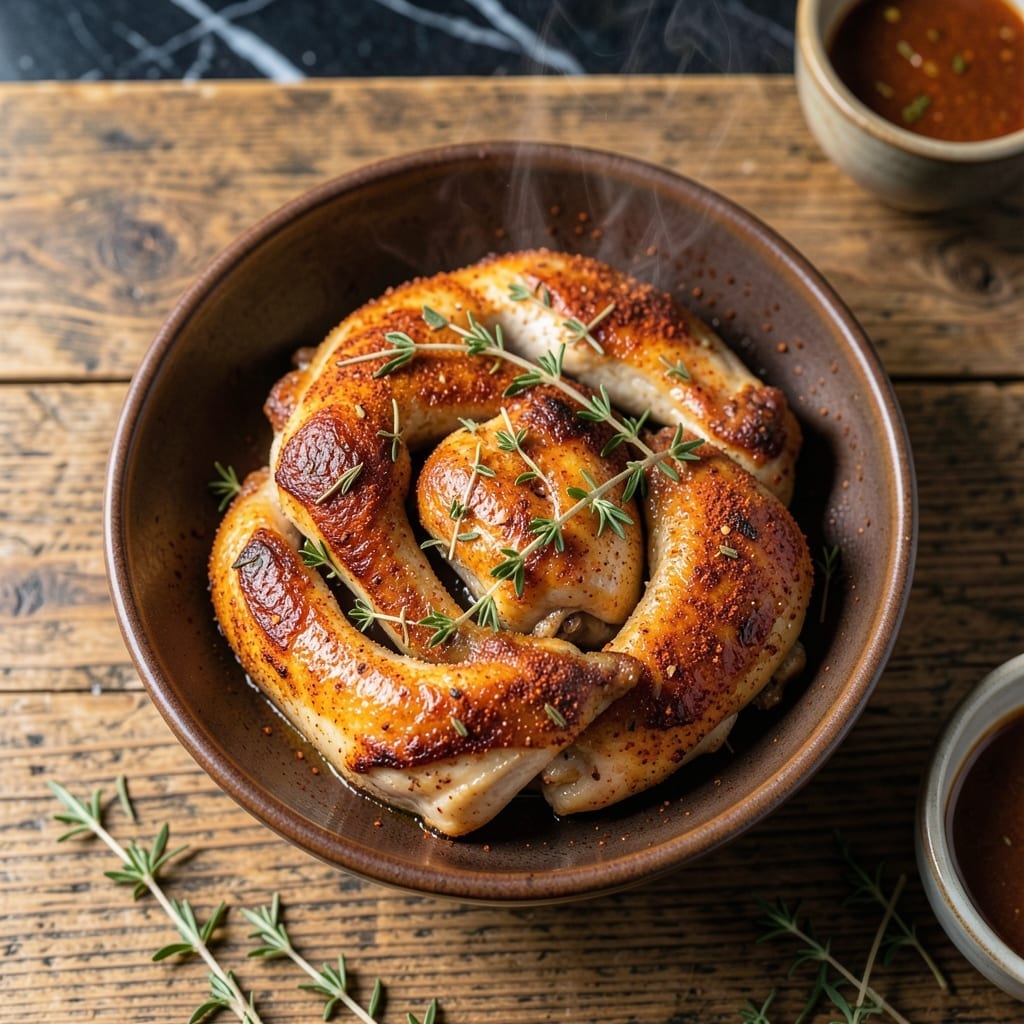
This recipe delivers crispy chicken with a bold Cajun twist that’s hard to resist. The secret lies in a simple yet effective seasoning blend that brings authentic Southern flavor to every bite.
I’ve perfected this method to ensure the skin stays shatteringly crispy while the meat inside remains juicy and tender. A quick marinade and hot oil do most of the work, making it easier than you’d think.
The Cajun kick comes from a mix of paprika, garlic, and cayenne, balanced with herbs for depth. It’s a straightforward process with big, flavorful results worth the effort.
Serve it hot with your favorite sides for a meal that feels like a true Southern feast. Here’s how to make it right.
Ingredients for Gus Chicken
Pantry staples plus a quick marinade. That’s all you need for this bold dish.
| Ingredient | Amount | Notes |
|---|---|---|
| Chicken Thighs 🍗 | 4 whole | Bone-in, skin-on for crispiness |
| Paprika 🌶️ | 2 tbsp | Sweet or smoked variety |
| Garlic Powder 🧄 | 2 tsp | Not garlic salt |
| Cayenne Pepper 🔥 | 1 tsp | Adjust for heat preference |
| Dried Thyme 🌿 | 1 tsp | Crushed between fingers |
| Dried Oregano 🍃 | 1 tsp | Mexican oregano if available |
| Onion Powder 🧅 | 1 tsp | Balances the spices |
| Salt 🧂 | 1 ½ tsp | Kosher or sea salt preferred |
| Black Pepper 🌶️ | 1 tsp | Freshly ground for best flavor |
| Buttermilk 🥛 | 1 cup | For marinating chicken |
| Vegetable Oil 🫒 | 1 cup | For frying, high smoke point |
| All-Purpose Flour 🌾 | ½ cup | For dredging chicken |
The chicken makes this—bone-in, skin-on thighs give you that shatteringly crispy result. Most grocery stores carry them, but I grab mine from Whole Foods for better quality. Look for pieces that are similar in size so they cook evenly. The buttermilk marinade is non-negotiable (trust me on this)—it tenderizes and helps the seasoning stick.
No buttermilk? Whole milk plus a splash of vinegar gets you close. Short on cayenne? Red pepper flakes at half the amount work fine. The paprika is doing most of the heavy lifting here, so don’t skip it. If you’ve got smoked paprika, even better—adds a nice depth. The herbs can be swapped for whatever you’ve got on hand (fresh thyme if you’re feeling fancy).
Marinate the chicken for at least 4 hours, but overnight is ideal. Leftovers keep in the fridge for 3-4 days—reheat in the oven to keep the skin crispy. Honestly, this tastes even better the next day once the flavors meld.
Why You’ll Love This Recipe
- One Pan Magic: I just toss the chicken thighs with paprika, garlic powder, and cayenne, then let the oven do the work—minimal cleanup, maximum flavor.
- Smoky Heat: The cayenne and paprika give it a warm, smoky kick that’s addictive but not overpowering.
- Weeknight Hero: Honestly, it’s my go-to for busy evenings—ready fast and pairs with anything from rice to salad.
- Budget Stretch: Chicken thighs stay juicy and affordable, and the spices are pantry staples I always have on hand.
Step-by-Step Instructions for Gus Chicken
Here’s how to get that signature crispy skin with a bold Cajun-inspired kick.
Step 1: Season and Marinate the Chicken
In a large bowl, combine the 2 tbsp Paprika, 2 tsp Garlic Powder, 1 tsp Cayenne Pepper, 1 tsp Dried Thyme, 1 tsp Dried Oregano, 1 tsp Onion Powder, 1.5 tsp Salt, and 1 tsp Black Pepper. This spice blend is the key to the dish’s bold flavor.
Pat the 4 whole Chicken Thighs dry with paper towels to ensure the seasoning sticks. Coat each piece evenly with the spice mix, pressing gently to adhere. Then place the thighs in a bowl, pour in the 1 cup Buttermilk, and let them marinate for at least 30 minutes. The buttermilk tenderizes the meat while the spices infuse it with flavor.
Step 2: Dredge in Flour for a Crispy Coating
After marinating, remove each thigh from the buttermilk and let the excess drip off. Dredge the chicken in the 0.5 cup All-Purpose Flour, ensuring it’s fully coated on all sides. Press the flour into the skin to create a thick, even layer—this is what gives the finished dish its crispy texture.
Shake off any excess flour, as too much can burn during frying. Place the dredged thighs on a wire rack or plate and let them rest for 10 minutes. This resting step helps the coating adhere better, so it doesn’t fall off during cooking.
Step 3: Fry to Golden Perfection
Heat the 1 cup Vegetable Oil in a large, heavy-bottomed skillet over medium-high heat until it reaches 350°F. Use a thermometer for accuracy—oil that’s too cool will make the chicken greasy, while oil that’s too hot can burn the coating before the meat cooks through.
Carefully place the chicken thighs in the hot oil, skin-side down. Fry for 6-7 minutes until the skin is deep golden brown and crispy. Flip and cook for another 5-6 minutes until the internal temperature reaches 165°F. The coating should be crisp and the meat juicy.
Step 4: Drain and Rest Before Serving
Transfer the fried chicken to a wire rack or paper towel-lined plate to drain excess oil. Let it rest for 5 minutes—this keeps the juices inside the meat and ensures the coating stays crispy. Resist the urge to stack the pieces, as this can trap steam and make the skin soggy.
Serve immediately while hot. The skin should be crispy, the meat tender and juicy, and the spices should deliver a kick with every bite. This method guarantees a perfect balance of texture and flavor every time.
Pro Tips For Making Gus Chicken
- Dry the Thighs: Pat the chicken thighs completely dry with paper towels before seasoning—this guarantees the paprika and spices stick properly and you get that crispy skin everyone fights over.
- Bloom the Spices: Toast the paprika, garlic powder, and cayenne in the hot pan for 30 seconds before adding the chicken. Sounds weird, but it works: the flavors deepen and lose that raw powder taste.
- Skip the Overcrowding: I learned this the hard way—cramming all the thighs in at once steams them instead of searing. Cook in batches if needed, about 2 tablespoons of oil per batch.
- Rest Before Serving: Give the chicken a solid 5-10 minutes under foil after cooking. My grandmother swore by this, and she was right: the juices redistribute and the thyme flavor really settles in.
Make-Ahead Tips for Leftovers
Overnight Marinating
For the best flavor, let your chicken marinate in the buttermilk and spice mix overnight. I always prep mine the night before—just 12-24 hours in the fridge transforms the texture and depth of flavor. The acid in the buttermilk works magic on the meat. 💛
Dredge in Advance
You can dredge the chicken in flour up to 2 hours before frying. Place the coated pieces on a wire rack in the fridge, uncovered. This keeps the coating dry and ready for crispy frying when you’re ready to cook.
Prep Spice Blend
Mix your dry rub the day before and store it in an airtight container. This saves time and ensures even distribution. I use a small mason jar—just shake to combine and you’re good to go.
Oil Temperature Tip
If frying later, measure your oil beforehand and let it sit at room temperature. Cold oil takes longer to heat to 350°F. I keep mine in the pantry so it’s ready when I am. 🔥
Reheating Leftovers
Store cooked chicken in a single layer in the fridge for up to 3 days. Reheat in a 375°F oven for 10-12 minutes on a wire rack to restore crispiness. Microwaving works in a pinch but softens the skin.
Freezing Uncooked
Freeze marinated, undredged chicken for up to 1 month. Thaw overnight in the fridge, then dredge and fry as usual. Avoid freezing after dredging—the flour absorbs moisture and gets gummy.
Nutrition Facts
Frequently Asked Questions
What oil is best for frying?
Use oils with a high smoke point like vegetable, peanut, or canola. They handle 350°F without burning. Avoid olive oil—it smokes at lower temps and can impart a bitter taste.
Can I bake instead of fry?
Yes! Bake at 400°F for 25-30 minutes on a wire rack. The skin won’t be as crispy, but it’s a healthier option. Flip halfway for even browning.
How do I adjust the spice level?
Reduce or omit the cayenne for milder flavor. For extra heat, add 1/2 tsp more or a pinch of red pepper flakes. Taste the spice blend before coating the chicken.
Why did my coating fall off?
This usually happens if the chicken wasn’t patted dry or rested after dredging. Ensure pieces are dry, press the flour into the meat, and let them rest for 10 minutes before frying.

- Jollof Rice Sauce Recipe: West African Tomato and Spice Infusion - September 25, 2026
- Japanese Rice Soup Recipe: Umami-Rich Comfort in a Bowl - September 25, 2026
- Homemade Cream Of Rice Recipe: Silk-Smooth Breakfast in Minutes - September 25, 2026