
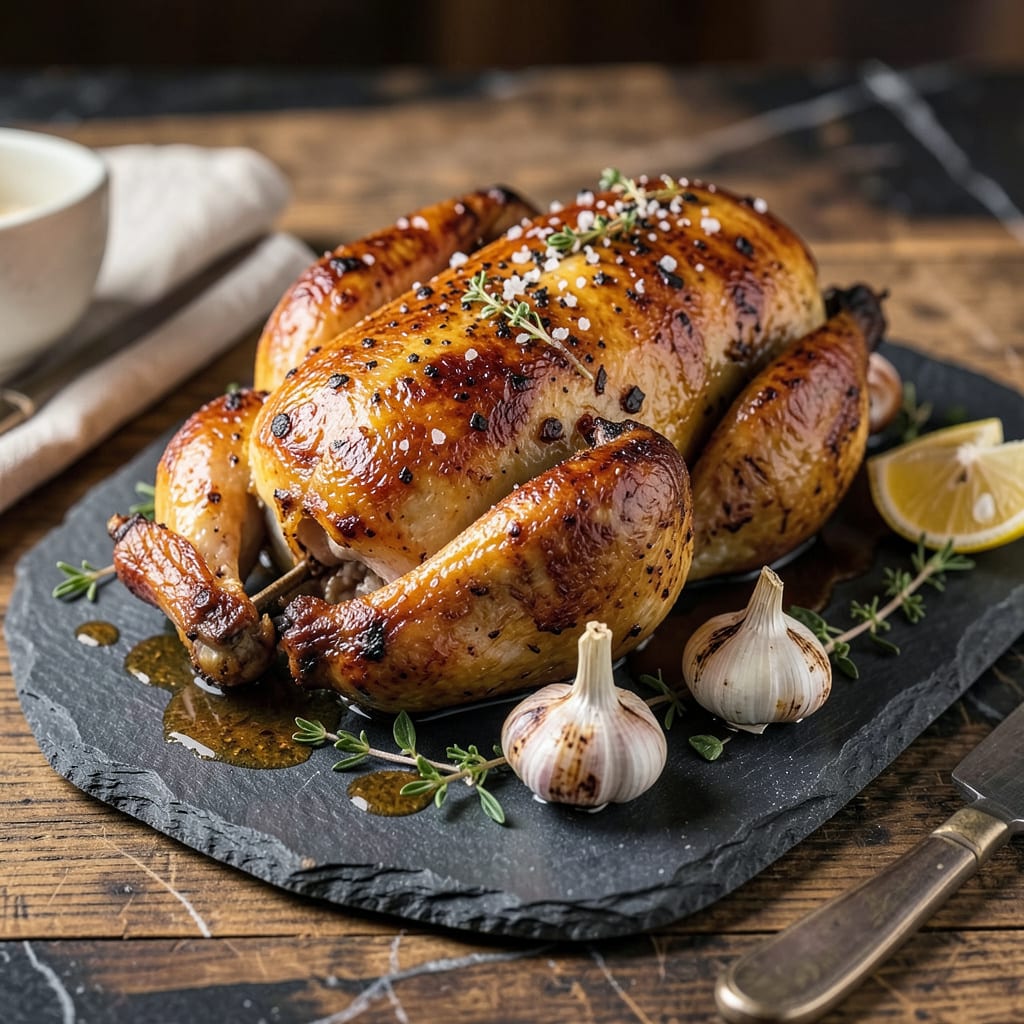
A half rotisserie chicken is a versatile protein that saves time and adds rich, smoky flavor to meals. Use it in salads, sandwiches, soups, or tacos for quick, satisfying dishes without extra cooking.
The beauty of using pre-cooked rotisserie chicken lies in its ability to transform weeknight dinners into gourmet experiences with minimal effort. 🔥 The slow-roasting process locks in juices while developing a caramelized exterior that elevates everything from simple wraps to complex casseroles. I particularly love how the pre-seasoned skin adds depth to broths and sauces when simmered—something raw chicken can’t match without extra prep time.
Beyond convenience, this approach cuts down on kitchen cleanup and reduces food waste since you’re working with perfectly portioned protein. The smoky notes pair exceptionally well with bold flavors like chipotle or tangy ingredients such as pickled onions, making it my go-to for impromptu meal assembly. ✨
💡 In This Article
- Why Rotisserie Chicken Stands Out for Meal Prep
- Creative Ways to Repurpose Half Rotisserie Chicken
Why Rotisserie Chicken Stands Out for Meal Prep
The rotisserie cooking method creates meat that’s juicier than oven-baked chicken because of its constant rotation. As the bird turns, fat renders evenly at 325-350°F, basting the meat continuously while the skin crisps to a golden brown. This process develops Maillard reactions—chemical changes that create complex, savory flavors you can’t replicate with quick stovetop methods.
The result is tender meat with a smoky depth that works in everything from tacos to pasta dishes. 🔥
Time savings go beyond just skipping the cooking step. A typical 3-4 pound rotisserie chicken yields about 3 cups of shredded meat—enough for 4-6 servings—while requiring zero prep work. Compare that to raw chicken that needs trimming, seasoning, and 45-60 minutes of cooking time.
The pre-cooked version also eliminates the risk of undercooking, making it safer for quick meals when you’re short on time. ⚡
Nutritionally, rotisserie chicken often contains 30-40% less sodium than deli meats while providing 25g of protein per 3-ounce serving. The slow-roasting preserves more B vitamins than boiling or frying methods.
What most people overlook is how the seasoning (typically paprika, garlic, and onion powder) creates a flavor base that adapts to different cuisines—no need for additional marinating. ✨
The versatility comes from its neutral-yet-rich flavor profile. I’ve used the same half chicken in Thai coconut curry one night and BBQ chicken pizza the next. The meat absorbs sauces beautifully while maintaining its texture.
For meal prep, shredding with two forks takes under 2 minutes and gives you protein ready for salads, wraps, or grain bowls all week. 💫
Here’s what makes it superior to raw chicken for busy cooks: the bones and skin add flavor to stocks and soups without extra cost. Simmer the carcass with aromatics for 1-2 hours and you’ll get 4-6 cups of rich broth—something you’d pay $3-5 for at the store.
The pre-cooked meat also reheats better than raw-cooked chicken, maintaining moisture when microwaved at 50% power for 1-2 minutes. 🌟
Pro tip: Look for chickens with skin that’s deep golden brown—this indicates proper caramelization. The juices should run clear when you pierce the thigh. Store-bought versions from grocery stores are often seasoned with 0.5-1% salt by weight, which enhances flavor without being overpowering.
This perfect balance is why it works in both delicate dishes like chicken salad and bold flavors like buffalo dip. 💛

- Jollof Rice Sauce Recipe: West African Tomato and Spice Infusion - September 25, 2026
- Japanese Rice Soup Recipe: Umami-Rich Comfort in a Bowl - September 25, 2026
- Homemade Cream Of Rice Recipe: Silk-Smooth Breakfast in Minutes - September 25, 2026