
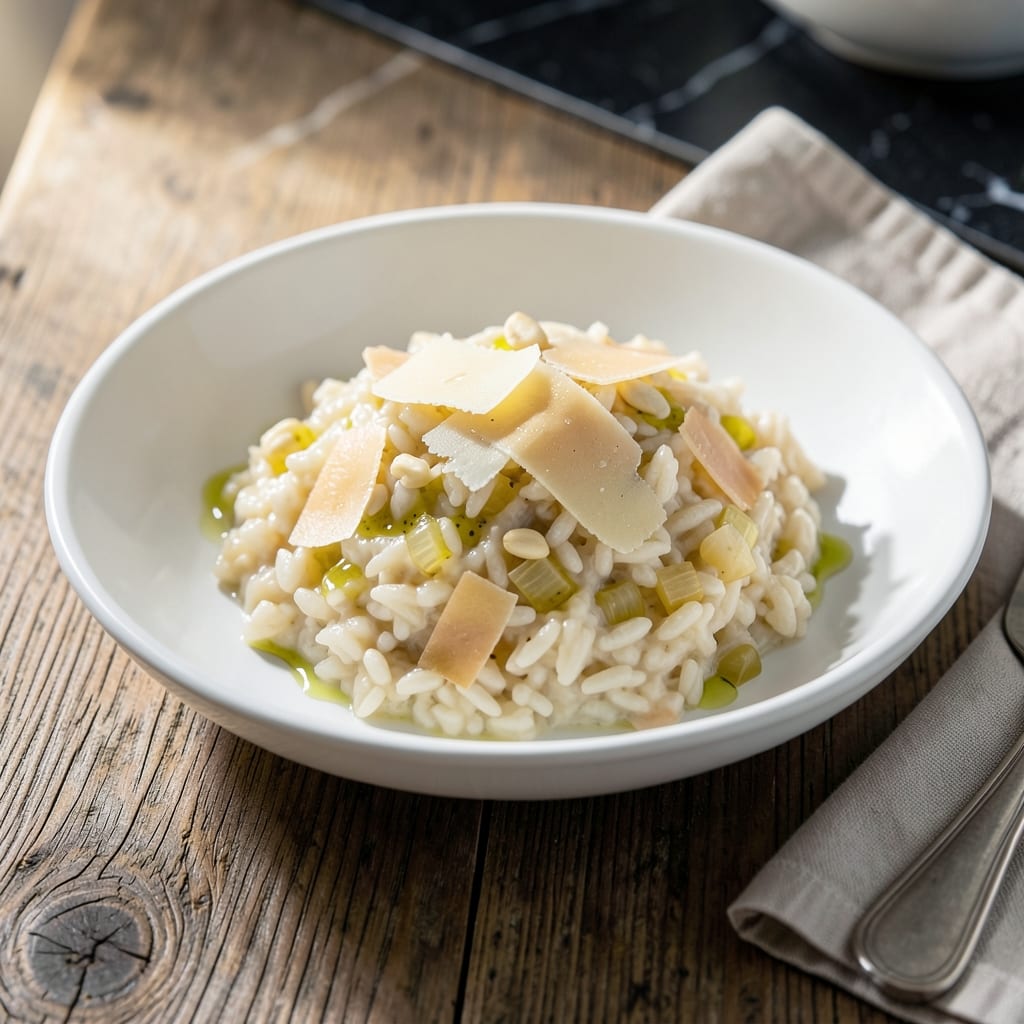
Arborio rice doesn’t have to mean heavy dishes—this method delivers a light yet creamy texture without excess fat. I developed this approach after realizing traditional risotto techniques could be adapted for everyday healthy cooking.
The key is using broth instead of oil or butter to coax out the starches, creating natural creaminess. Stirring frequently ensures even cooking while keeping the grains separate and tender. It’s a simple adjustment with impressive results.
What you get is a dish that feels indulgent but stays nutritious, with that signature velvety consistency arborio is known for. The grains stay distinct yet melt slightly in your mouth, proving healthy can still be satisfying.
Perfect as a base for vegetables or lean proteins, this technique works for any meal. Here’s how to make it right.
Ingredients for Healthy Arborio Rice
Light, creamy, and packed with flavor—just a handful of quality ingredients needed.
| Ingredient | Amount | Notes |
|---|---|---|
| Arborio Rice 🌾 | 1 ½ cups | Rinsed until water runs clear |
| Vegetable Broth 🥣 | 4 cups | Low-sodium preferred for control |
| White Wine 🍷 | ½ cup | Dry variety like Pinot Grigio |
| Yellow Onion 🧅 | 1 whole | Finely diced for even cooking |
| Garlic Cloves 🧄 | 3 cloves | Minced for maximum flavor |
| Parmesan Cheese 🧀 | ½ cup | Freshly grated from block |
| Unsalted Butter 🧈 | 1 tbsp | Optional finish for richness |
| Extra-Virgin Olive Oil 🫒 | 1 tbsp | For sautéing aromatics |
| Fresh Parsley 🌿 | ¼ cup | Chopped for garnish |
| Salt 🧂 | ½ tsp | Kosher or sea salt preferred |
| Black Pepper 🌶️ | ¼ tsp | Freshly ground for brightness |
| Lemon Zest 🍋 | 1 tsp | From about half a lemon |
The rice is everything here. Arborio from Lundberg Farms or Goya (both at Whole Foods or Kroger) gives that perfect al dente bite with creamy edges. Look for short, plump grains—long-grain won’t work. The broth matters too: Imagine or Pacific Foods brands have clean flavors without weird aftertastes. I skip low-sodium sometimes (just taste as you go).
No white wine? Extra broth with a splash of lemon juice mimics the acidity. Vegetarian? Swap Parmesan for Pecorino Romano if you’re okay with sheep’s milk, or nutritional yeast for vegan. The butter finish is optional but adds richness—olive oil works too (use a good one, like California Olive Ranch). Fresh herbs are ideal, but dried parsley at half the amount is fine.
Leftover rice keeps 3-4 days in the fridge—reheats best with a splash of water or broth. Freeze portions for up to 3 months (spread on a tray first to prevent clumping). The zest adds brightness, so don’t skip even if it feels like a small amount.
Why You’ll Love This Recipe
- One Pot Wonder: I just dump rice, broth, and wine in a pan—no fancy techniques, just stir and let it work its magic.
- Garlic-Kissed Comfort: The onion and garlic sweat down into the rice, creating this rich, savory base that tastes indulgent but stays light.
- Meal Prep Hero: I make a big batch on Sunday and it reheats beautifully for lunches all week.
- Budget Stretcher: Arborio rice is cheap, and a little goes a long way when you cook it slow with broth and wine.
Step-by-Step Instructions for Healthy Arborio Rice
This method delivers that signature creamy texture with a lighter, more nutritious approach.
Step 1: Toast the Arborio Rice Properly
Heat the extra-virgin olive oil in a medium saucepan over medium heat until it shimmers. Add the finely diced yellow onion and cook for 3-4 minutes until translucent but not browned. This builds your flavor base without adding excess fat.
Stir in the 1.5 cups Arborio Rice and toast for 2 minutes until the grains turn slightly translucent at the edges. You’ll notice a nutty aroma developing—that’s your signal the rice is ready for liquid. This toasting step is crucial for achieving the right texture without excess oil.
Step 2: Deglaze with White Wine
Pour in the 0.5 cup white wine and stir constantly until it’s fully absorbed by the rice. This should take 2-3 minutes. The alcohol cooks off completely, leaving behind a bright acidity that balances the richness of the dish.
Don’t rush this step—wait until the pan is nearly dry before adding the next liquid. You’ll see the rice grains start to plump slightly as they absorb the wine. This deglazing process also lifts all those flavorful browned bits from the bottom of the pan.
Step 3: Gradually Add Vegetable Broth
Begin adding the 4 cups vegetable broth, ½ cup at a time, stirring frequently. Wait until each addition is mostly absorbed before adding the next. This gradual process takes about 20-25 minutes total and is key to developing the creamy texture.
The rice should be tender but still have a slight bite (al dente) when done. You’ll know it’s ready when the grains are plump and the mixture has a porridge-like consistency. If you run out of broth before the rice is done, use hot water to finish—maintaining that gradual addition is more important than the liquid type.
Step 4: Finish with Flavor Boosters
Remove the pan from heat. Stir in the minced garlic cloves, 0.5 tsp salt, and 0.25 tsp black pepper. Then add the 0.5 cup parmesan cheese and 1 tbsp unsalted butter, stirring vigorously until the cheese melts and the mixture becomes creamy.
This is where the magic happens—the residual heat from the rice melts the cheese into a silky sauce without needing excessive fat. The parmesan adds umami depth while the butter provides just enough richness to satisfy.
Step 5: Rest and Garnish for Freshness
Let the mixture rest for 2 minutes off heat. This allows the rice to absorb any remaining liquid and the flavors to meld. The texture should be creamy but not soupy—if it seems too thick, stir in a splash of warm broth.
Before serving, stir in the 1 tsp lemon zest and half the chopped fresh parsley. The lemon zest brightens all the flavors, while the parsley adds a pop of freshness. Garnish each serving with the remaining parsley for a vibrant finish that keeps this dish feeling light yet indulgent.
Pro Tips For Making Healthy Arborio Rice
- Toast the Rice: Cook the Arborio in the onion-garlic mix for 2-3 minutes until translucent—this builds a nutty base that makes the dish taste way more complex.
- Warm the Broth: Keep your vegetable broth simmering in a pot next to the stove. Cold broth slows down cooking and can make the rice gluey.
- Skip the Rinse: I learned this the hard way—Arborio’s starch is what gives risotto its creaminess, so resist the urge to rinse it before cooking.
- Deglaze Properly: After toasting the rice, add the white wine and scrape the pan hard—those browned bits are pure flavor.
Regional Styles of This healthy arborio rice
Northern Italian Style
In the Piedmont region, I’ve seen this rice prepared with porcini mushrooms and a touch of truffle oil for earthy depth. The key is using dry white wine from the area, like Gavi, which adds a crisp mineral note that complements the creaminess beautifully.
Lombardy Tradition
Lombardy’s version often includes saffron for its golden hue and floral aroma. I add a pinch (¼ tsp) to the broth, which infuses the rice with that signature color and subtle bitterness. It’s a nod to the famous risotto alla Milanese but kept light and healthy.
Venetian Lightness
Venice favors seafood, so I fold in shredded cooked shrimp or diced scallops at the end. The broth here is often made with fish stock instead of vegetable, adding a briny depth that pairs perfectly with the rice’s natural sweetness. 🌊
Roman Simplicity
Rome keeps it minimal—just the rice, broth, and a finishing touch of Pecorino Romano instead of Parmesan. The sharper cheese cuts through the creaminess, and I love how it reflects the city’s no-nonsense approach to food.
Sicilian Brightness
In Sicily, I’ve had this dish with cherry tomatoes and basil stirred in at the end. The acidity from the tomatoes balances the richness, and the basil adds a fresh, herbal note. It’s a summery twist that feels light yet satisfying. 💛
Nutrition Facts
Frequently Asked Questions
Can I use chicken broth instead of vegetable?
Yes, chicken broth works well and adds a deeper flavor. Just use low-sodium to control the seasoning. The cooking process remains the same.
Why do I need to toast the rice first?
Toasting for 2 minutes enhances the nutty flavor and helps the grains maintain structure. This prevents mushiness while developing that signature creaminess.
Can I make this without wine?
Substitute with extra broth and 1 tbsp lemon juice for acidity. The dish will still be creamy and flavorful without the alcohol.
How do I know when it’s done?
The rice should be tender with a slight bite (al dente) and the mixture should look creamy, not soupy. This typically takes 20-25 minutes.

- Ground Beef Rice and Beans Recipe: Slow-Simmered Savory Harmony - October 17, 2026
- Guyanese Fried Rice Recipe: Caribbean Spice With Wok-Charred Aromatics - October 17, 2026
- Hakka Thunder Tea Rice Recipe: Wok-Charred Herbal Infusion - October 17, 2026