
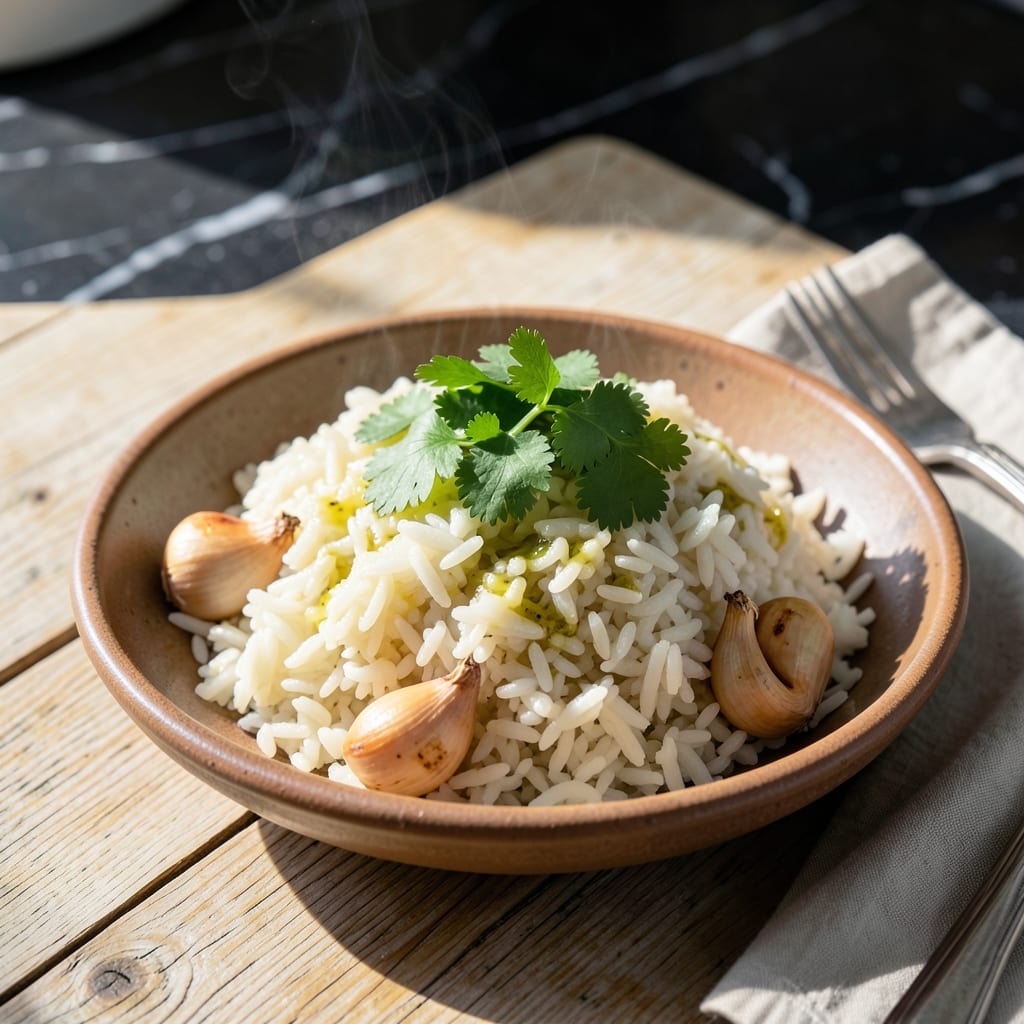
This method for preparing medium grain white rice delivers consistently fluffy results every time. I developed this approach through years of testing in my small Boston kitchen, perfecting the water-to-rice ratio and cooking technique.
The key is using a 1:1.5 rice-to-water ratio and bringing the mixture to a boil before reducing to a simmer. This ensures even cooking and prevents mushy or undercooked grains. The process takes about 20 minutes from start to finish.
What you get is rice that’s tender yet distinct, with grains that hold their shape beautifully. It serves as the perfect canvas for any meal, from simple weeknight dinners to elaborate feasts.
Pair it with proteins, vegetables, or enjoy it plain as a comforting side. This technique works with any medium grain white rice brand.
Ingredients for Goya Medium Grain White Rice
Nine ingredients for perfectly fluffy rice every single time you make it.
| Ingredient | Amount | Notes |
|---|---|---|
| Goya Medium Grain White Rice 🌾 | 2 cups | Rinsed until water runs clear |
| Water 💧 | 3 cups | Filtered or spring for best taste |
| Kosher Salt 🧂 | 1 tsp | Diamond Crystal preferred |
| Extra-Virgin Olive Oil 🫒 | 1 tbsp | Optional for richness |
| Garlic Cloves 🧄 | 2 cloves | Minced, optional for flavor |
| Fresh Cilantro 🌿 | ¼ cup | Chopped, for garnish |
| Lime 🍈 | 1 whole | Zested and juiced |
| Black Pepper 🌶️ | ¼ tsp | Freshly ground preferred |
| Vegetable Broth 🥕 | ½ cup | Optional for added depth |
| Bay Leaf 🍃 | 1 whole | Optional for aroma |
The rice is everything here. Goya medium grain is my go-to—consistent quality, easy to find at Stop & Shop or any Latin market. Rinsing is non-negotiable (gets rid of excess starch). I grab the big bag when it’s on sale and keep it in an airtight container. The water-to-rice ratio is locked in at 1:1.5, but use filtered water if yours tastes funky.
No Goya? Any medium grain white rice works—Mahatma or store brand are fine. Swap vegetable broth for water if you want extra flavor (use low-sodium to control the salt). Fresh cilantro not your thing? Fresh parsley or green onions work just as well. The lime is optional but brightens everything up. Skip the olive oil if you’re watching calories—it’s just a finishing touch.
Uncooked rice keeps pretty much forever in a sealed container. Once cooked? 3-4 days in the fridge, 6 months in the freezer (portion it first). Reheats like a dream with a splash of water and a quick microwave blast.
Why You’ll Love This Recipe
- One-Pot Wonder: I love that this comes together in a single pot with just rice, water, oil, and garlic—minimal cleanup, maximum flavor.
- Garlicky Comfort: The olive oil and garlic cloves infuse every grain with a rich, aromatic taste that’s simple but deeply satisfying.
- Meal Prep Hero: It pairs with everything from grilled chicken to stir-fried veggies, so I make a big batch for the week.
- Budget Stretch: Honestly, a pound of Goya rice feeds my family for days without breaking the bank.
Step-by-Step Instructions for Fluffy Goya Medium Grain White Rice
Here’s my tested method that gives you perfect, fluffy grains every time.
Step 1: Rinse and Toast the Rice
Rinse the 2 cups Goya Medium Grain White Rice under cold water until it runs completely clear. This removes excess starch that would otherwise make your rice gummy. I use a fine-mesh strainer for this—it’s the easiest way to do it without losing rice down the drain.
Heat the 1 tbsp Extra-Virgin Olive Oil in a medium pot over medium heat. Add the drained rice and stir for 1-2 minutes until the grains become slightly translucent at the edges. This toasting step adds a subtle nutty flavor and helps prevent clumping.
Step 2: Sauté Aromatics and Add Liquids
If using, add the 2 cloves minced Garlic Cloves to the pot with the rice and cook for 30 seconds until fragrant. Be careful not to let it brown—just soften it slightly. Then add the 1 tsp Kosher Salt, 0.25 tsp Black Pepper, and 1 whole Bay Leaf.
Pour in the 3 cups Water and 0.5 cup Vegetable Broth. Stir once to distribute everything evenly, then bring to a boil. I always use filtered water here—it makes a noticeable difference in the final flavor.
Step 3: Simmer Until Tender
Once boiling, immediately reduce heat to low, cover the pot with a tight-fitting lid, and simmer for 18-20 minutes. Don’t peek during this time—every time you lift the lid, you release steam and lower the temperature, which can lead to uneven cooking.
You’ll know it’s done when all the liquid has been absorbed and the rice is tender with no hard center. If you’re unsure, tilt the pot slightly—if you see any standing water, give it another 2-3 minutes. The grains should be separate and fluffy, not mushy.
Step 4: Rest and Fluff
Remove the pot from heat and let it sit covered for 10 minutes. This resting period is crucial—it allows the steam to redistribute through the rice, ensuring even texture and preventing a wet or sticky bottom layer.
After resting, remove the 1 whole Bay Leaf and fluff the rice gently with a fork. I like to add the juice from the 1 whole Lime at this point for a bright, fresh finish. Taste and adjust seasoning if needed.
Step 5: Garnish and Serve
Transfer the rice to a serving bowl and garnish with the 0.25 cup Fresh Cilantro. The lime zest from the 1 whole Lime makes a beautiful, fragrant topping too. Serve immediately while hot and fluffy.
This rice pairs perfectly with grilled meats, stews, or as a base for bowls. The medium grain holds its shape well while still being tender enough to soak up sauces beautifully.
Pro Tips For Making Goya Medium Grain White Rice
- Rinse the Rice: Always give the Goya medium grain a quick rinse under cold water before cooking—it removes excess starch so you get fluffy, separate grains instead of a gummy clump. I learned this the hard way after serving sticky rice one too many times.
- Toast the Garlic: Heat the olive oil and minced garlic for about 30 seconds until fragrant before adding water—this builds a deep, nutty base that makes the rice taste far more complex than it has any right to.
- Use a 1:1.25 Ratio: For perfect texture, use 1 part rice to 1.25 parts water. Any more and you’ll end up with mush; any less and the grains stay undercooked. Sounds picky, but it works.
- Let It Steam: Once the water’s absorbed, turn off the heat, cover the pot, and let it sit for 10 minutes. Skipping this step leaves the rice underdone in the middle, no matter how impatient you are.
Storing and Reheating goya medium grain white rice
Fridge Storage
Let your rice cool completely—no more than 2 hours at room temperature. Transfer to airtight containers (I use glass ones from Pyrex). It’ll keep in the fridge for 3-4 days without drying out. The flavors actually deepen as it sits. ❄️
Freezer Method
For longer storage, portion cooled rice into freezer bags (1-2 cup servings work well). Squeeze out excess air, seal tightly, and freeze for up to 6 months. I label mine with dates using masking tape—old habit from my Boston kitchen days.
Stovetop Reheating
Add rice and 2 tbsp water or broth per cup to a pot. Heat over low heat, stirring occasionally, for 5-7 minutes until steaming hot. This method restores moisture best and prevents that dreaded dry texture.
Microwave Trick
Place rice in a microwave-safe dish, sprinkle with 1 tbsp water per cup, and cover with a damp paper towel. Heat on 50% power for 1-2 minutes, stir, then repeat until 165°F. My go-to for quick lunches. 🔥
Reviving Texture
If your rice seems dry after reheating, stir in 1 tsp olive oil or butter to restore moisture. For extra fluffiness, spread it on a baking sheet and break up clumps with a fork before reheating.
Nutrition Facts
Frequently Asked Questions
Why rinse the rice before cooking?
Rinsing removes excess starch that can make rice gummy or sticky. It ensures each grain stays separate and fluffy. I always use cold water until it runs completely clear.
Can I use chicken broth instead of water?
Substitute 3 cups chicken broth for water for extra flavor. Use low-sodium broth to control the saltiness. The rice will have a richer taste while staying fluffy.
How do I know when it’s done?
All liquid should be absorbed and the grains tender with no hard center. Tilt the pot—if no water pools, it’s ready. Overcooking can make it mushy, so check at 18 minutes.
What if my rice turns out sticky?
Sticky rice usually means too much water or not enough rinsing. Next time, use 1:1.5 rice-to-water ratio and rinse thoroughly. Fluff with a fork after resting to separate grains.

- Ground Beef Rice and Beans Recipe: Slow-Simmered Savory Harmony - October 17, 2026
- Guyanese Fried Rice Recipe: Caribbean Spice With Wok-Charred Aromatics - October 17, 2026
- Hakka Thunder Tea Rice Recipe: Wok-Charred Herbal Infusion - October 17, 2026