
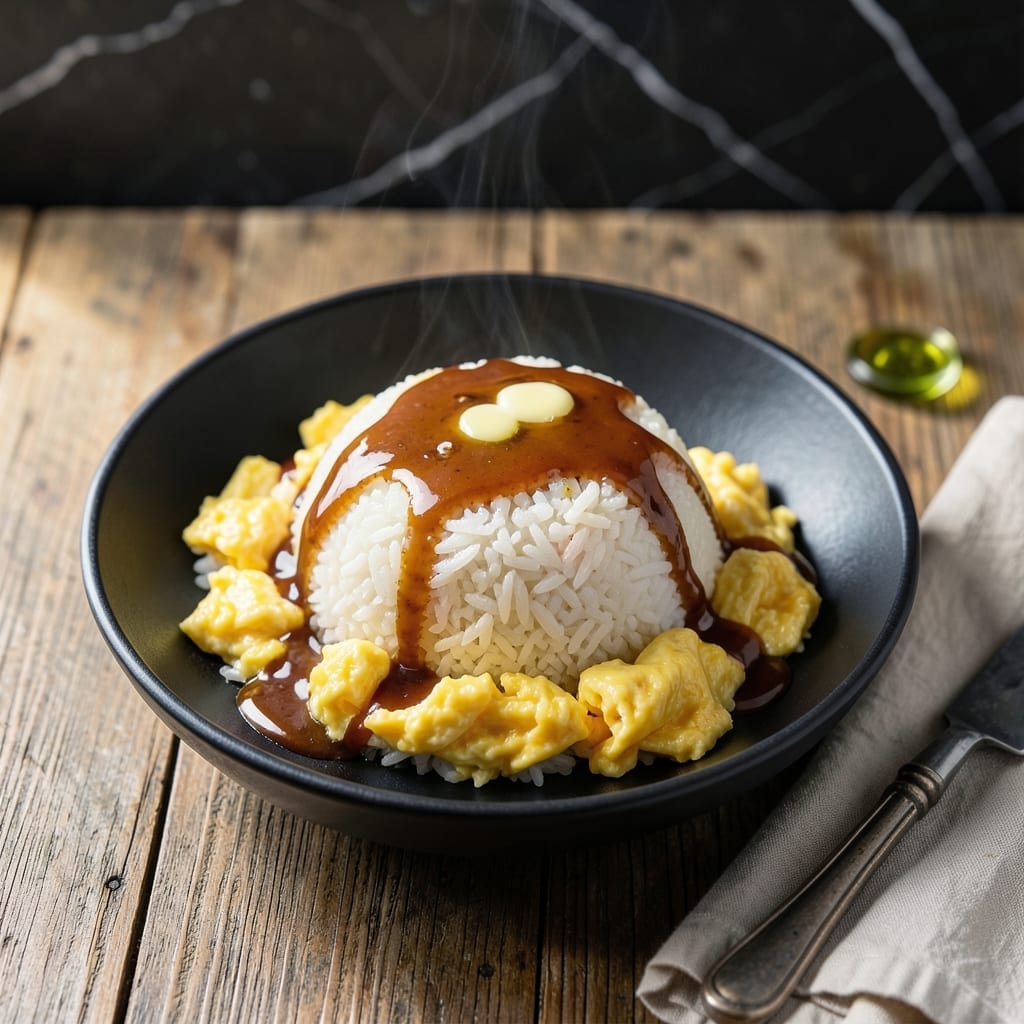
This hibachi-style rice delivers the same savory, buttery flavor you love from Japanese steakhouses—without the vegetables. I developed this version after testing multiple batches in my tiny Boston kitchen, focusing on the perfect balance of soy and butter.
The secret lies in cooking the rice with a touch of sugar for subtle sweetness, then finishing it with a rich soy glaze. Scrambled eggs are folded in at the end, adding protein and that signature restaurant-style texture.
What you get is golden, slightly sticky rice with a deep umami flavor that pairs perfectly with grilled meats or seafood. The eggs add a soft, fluffy contrast to the chewy grains.
Ready in under 30 minutes, this dish brings the hibachi experience home with minimal effort and maximum flavor.
Ingredients for Hibachi Rice Recipe No Vegetables
Buttery rice, scrambled eggs, and a savory soy glaze bring hibachi home in minutes.
| Ingredient | Amount | Notes |
|---|---|---|
| Jasmine Rice 🍚 | 2 cups | Rinsed until water runs clear |
| Water 💧 | 3 cups | For cooking rice |
| Unsalted Butter 🧈 | 4 tbsp | Divided for cooking and finishing |
| Soy Sauce 🫒 | ¼ cup | Low-sodium preferred for balance |
| Granulated Sugar 🍚 | 1 tbsp | For subtle sweetness |
| Large Eggs 🥚 | 4 whole | Beaten for scrambling |
| Garlic Cloves 🧄 | 2 cloves | Minced for soy glaze |
| Salt 🧂 | ½ tsp | Kosher or sea salt |
| Ground Black Pepper 🌶️ | ¼ tsp | Freshly ground preferred |
| Sesame Oil 🫒 | 1 tsp | For finishing aroma |
| Green Onions 🧅 | 2 whole | Thinly sliced for garnish |
The rice is everything here. Jasmine gives that authentic sticky texture you expect from a steakhouse—short-grain works too but lacks the floral note. I grab mine from the bulk section at Whole Foods or Trader Joe’s (their jasmine is surprisingly good for the price). Rinse it until the water runs clear, or you’ll end up with gummy grains. Don’t skip the sugar—it balances the saltiness of the soy perfectly.
No jasmine? Long-grain white rice at a 1:1.5 ratio works in a pinch, though the texture won’t be as sticky. Tamari or coconut aminos can replace soy sauce if you’re gluten-free. The eggs are non-negotiable for that classic hibachi vibe, but if you’re out, scrambled tofu with a pinch of turmeric gets you close. That splash of sesame oil at the end? Worth the extra minute to dig it out of the pantry.
Leftovers keep 4-5 days in the fridge and reheat like a dream in the microwave with a splash of water. For meal prep, cook the rice and eggs separately—combine when ready to serve. Freezes well for 3 months, though the texture softens a bit.
Why You’ll Love This Recipe
- One Pot Wonder: I love that this comes together in a single pot—just rice, butter, soy sauce, and sugar simmered to perfection.
- Sweet-Savory Magic: The sugar caramelizes slightly with the soy sauce, giving that signature hibachi flavor without a single veggie in sight.
- Meal Prep Hero: It reheats beautifully, so I make a big batch on Sunday and pair it with different proteins all week.
- Budget Keeper: Jasmine rice and pantry staples mean I can feed four for less than a takeout order. Honestly, it’s my wallet’s favorite dish.
Step-by-Step Instructions for Hibachi Rice
Here’s the method I use to get that signature buttery, savory flavor in every bite.
Step 1: Cook the Rice to Perfect Tenderness
Rinse the 2 cups jasmine rice under cold water until the water runs clear—this removes excess starch and prevents gummy rice. I like to swirl it with my hand and change the water 3-4 times to get it really clean.
Combine the rinsed rice with the 3 cups water and 0.5 tsp salt in a medium saucepan. Bring to a boil over high heat, then immediately reduce to low, cover, and simmer for 15 minutes. Turn off the heat and let it sit covered for another 10 minutes—this steam finish ensures fluffy grains.
Step 2: Prepare the Soy Glaze with Garlic
While the rice cooks, melt 2 tbsp unsalted butter in a small saucepan over medium heat. Add the 2 cloves minced garlic cloves and sauté for 30 seconds until fragrant but not browned—burnt garlic turns bitter.
Pour in the 0.25 cup soy sauce and 1 tbsp granulated sugar. Stir well and let it simmer for 2-3 minutes until the sugar fully dissolves and the mixture thickens slightly. Remove from heat and set aside—this glaze will add that signature umami depth to your rice.
Step 3: Scramble the Eggs Until Just Set
Beat the 4 whole large eggs with the 0.25 tsp ground black pepper in a bowl until well combined but not frothy. Heat 1 tbsp unsalted butter in a large skillet or wok over medium-high heat until it shimmers.
Pour in the eggs and let them sit undisturbed for 10 seconds to set on the bottom. Then scramble gently with a spatula, folding the eggs as they cook. Remove from heat when they’re still slightly soft—they’ll finish cooking when mixed with the hot rice. The eggs should be light, fluffy, and just barely set.
Step 4: Combine Everything with the Remaining Butter
Transfer the cooked rice to a large bowl or back into the saucepan. Add the remaining 1 tbsp unsalted butter, the scrambled eggs, and the prepared soy glaze. Gently fold everything together with a spatula until the rice is evenly coated and the eggs are distributed throughout.
I like to let it sit for 2 minutes off the heat so the flavors can meld. The rice should glisten with the buttery glaze and have a slight sheen from the soy sauce. Taste and adjust seasoning if needed, though the soy glaze usually provides enough saltiness.
Step 5: Finish and Garnish for Serving
Drizzle the 1 tsp sesame oil over the rice and fold it in gently—this adds a nutty aroma that’s essential to hibachi-style rice. The oil should be evenly distributed but not pooling at the bottom.
Thinly slice the 2 whole green onions and sprinkle them over the top just before serving. The green onions add a fresh, crisp contrast to the rich, savory rice. Serve immediately while hot, with the glaze still glistening on the grains. Each bite should have a perfect balance of buttery, salty, and slightly sweet flavors.
Pro Tips For Making Hibachi Rice Recipe No Vegetables
- Rinse the Rice: Jasmine rice needs a quick rinse under cold water to remove excess starch—I learned this the hard way after ending up with a gummy batch.
- Toast the Rice: After draining, cook the rice in the butter for 2-3 minutes on medium-high until slightly nutty. It adds depth without extra ingredients.
- Skip Boiling Water: Use hot tap water instead of cold to speed up cooking time by about 5 minutes, and it actually changes the outcome for the better.
- Sauce Last: Stir in the soy sauce and sugar only after the rice is fully cooked—adding it earlier makes the rice mushy and unevenly seasoned.
Common Mistakes When Making Perfect Results
Over-Rinsing Rice
While rinsing removes excess starch, going overboard can wash away essential nutrients. I rinse my 2 cups jasmine rice exactly 3-4 times until the water runs mostly clear. Any more and you risk losing the rice’s natural flavor and texture. 💡
Skipping the Steam Rest
After simmering, turning off the heat and letting the rice sit covered for 10 minutes is crucial. This steam finish allows the grains to absorb remaining moisture evenly. Skipping this step often results in undercooked or unevenly textured rice.
Overcooking the Eggs
Scrambled eggs for hibachi rice should be just set—not dry. I remove my eggs from the medium-high heat when they’re still slightly soft, as they’ll finish cooking when folded into the hot rice. Overcooked eggs become rubbery and lose their delicate texture.
Burning the Garlic
For the soy glaze, sauté the 2 cloves minced garlic for only 30 seconds until fragrant. Any longer and it turns bitter, which can ruin the entire glaze. I pull the pan off the heat as soon as I smell the garlic’s aroma.
Using Cold Butter
Cold butter won’t melt evenly into the rice, creating clumps instead of a smooth, buttery coating. I always take my 4 tbsp unsalted butter out of the fridge 10 minutes before starting to cook. This ensures it incorporates beautifully into the dish.
Also, divide the butter as directed—2 tbsp for the glaze, 1 tbsp for eggs, and 1 tbsp for finishing. Each addition serves a specific purpose. ✨
Nutrition Facts
Frequently Asked Questions
Can I use a different type of rice?
Yes, but texture will vary. Short-grain works but lacks jasmine’s floral note. Long-grain at a 1:1.5 ratio is acceptable in a pinch.
Why is sugar added to the rice?
The 1 tbsp sugar balances the saltiness of the soy sauce, creating that signature sweet-savory hibachi flavor. It’s subtle but essential.
Can I make this ahead of time?
Store in the fridge for 4-5 days or freeze for 3 months. Reheat with a splash of water to restore moisture.
What if I don’t have sesame oil?
Skip it if needed, but it adds a nutty aroma. A tiny drizzle of neutral oil won’t replicate the flavor, so it’s best to include it.

- Ground Beef Rice and Beans Recipe: Slow-Simmered Savory Harmony - October 17, 2026
- Guyanese Fried Rice Recipe: Caribbean Spice With Wok-Charred Aromatics - October 17, 2026
- Hakka Thunder Tea Rice Recipe: Wok-Charred Herbal Infusion - October 17, 2026