
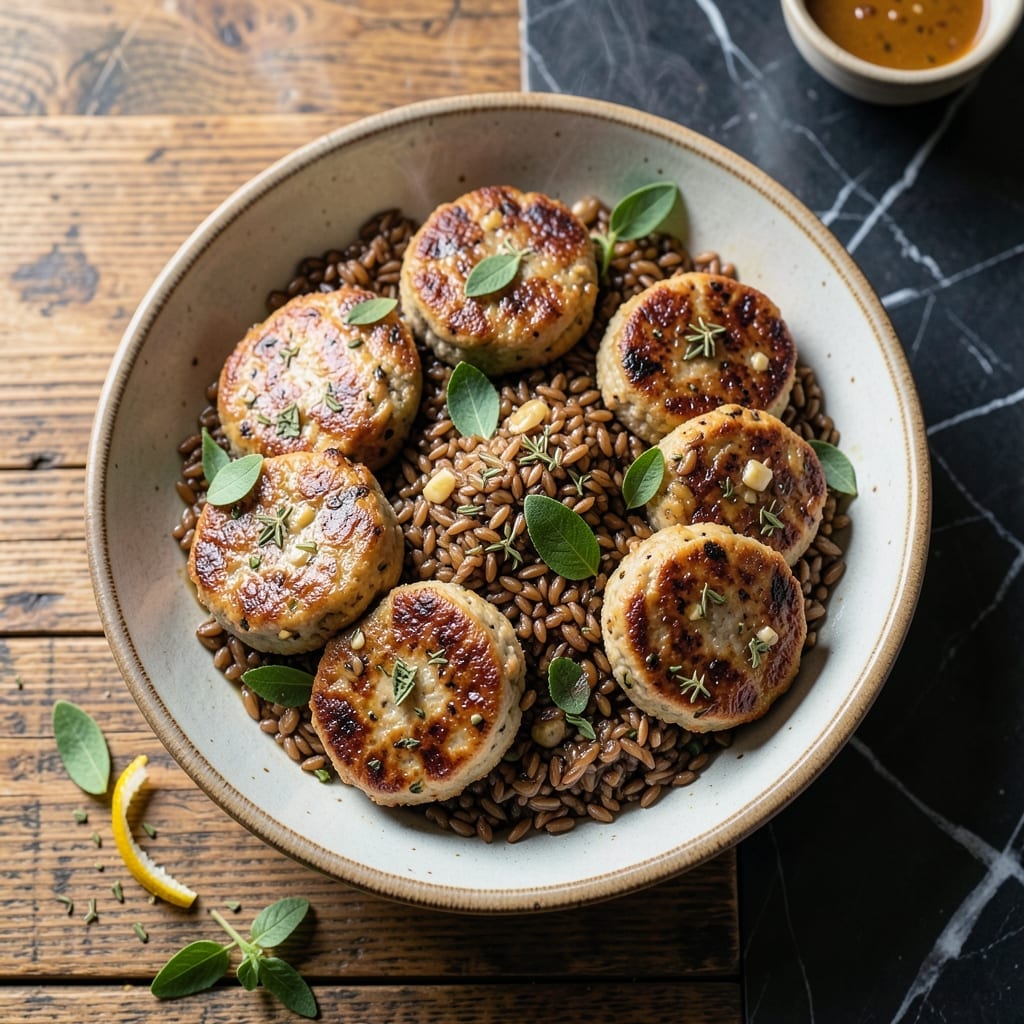
There’s something deeply satisfying about crafting homemade sausage, where every bite carries the nutty richness of wild rice and the warmth of carefully chosen spices. This recipe transforms simple ingredients into savory, textured links that outshine anything store-bought.
I developed this method after testing countless blends in my tiny Boston kitchen, ensuring the wild rice stays tender while the meat binds perfectly. The process is straightforward, yet the results taste like a gourmet creation.
What you’ll achieve is a sausage with a slightly chewy bite, earthy wild rice, and a balance of herbs that makes it versatile for breakfast, dinner, or snacking. It’s the kind of dish that feels like a labor of love.
Ready to make sausage that impresses every time? Here’s how to bring this flavorful creation to life.
Ingredients for Homemade Wild Rice Sausage
Ground pork, wild rice, and herbs come together for rich, textured homemade sausage with depth.
| Ingredient | Amount | Notes |
|---|---|---|
| Ground Pork 🐷 | 2 lb | 80/20 fat ratio preferred |
| Cooked Wild Rice 🌾 | 1 ½ cups | Cooled completely before mixing |
| Fresh Sage Leaves 🍃 | 2 tbsp | Finely chopped, stems removed |
| Fresh Thyme Leaves 🌿 | 1 tbsp | Stems removed, finely chopped |
| Garlic Cloves 🧄 | 4 cloves | Minced finely for even distribution |
| Kosher Salt 🧂 | 2 tsp | Diamond Crystal preferred for texture |
| Black Pepper 🌶️ | 1 tsp | Freshly ground for best flavor |
| Dried Marjoram 🍃 | 1 tsp | Substitute oregano if unavailable |
| Nutmeg 🌰 | ¼ tsp | Freshly grated for intensity |
| Dijon Mustard 🟡 | 2 tbsp | Smooth variety for binding |
| Ice Water 💧 | ¼ cup | For moisture and binding |
| Natural Hog Casings 🌭 | 4 piece | Soaked 30 minutes before use |
| Olive Oil 🫒 | 1 tbsp | For sauteing aromatics |
| Red Pepper Flakes 🔥 | ½ tsp | Optional for slight heat |
The pork is key here—80/20 fat ratio from a trusted butcher or Whole Foods ensures juicy, flavorful links. Wild rice should be cooked and completely cooled (leftovers work great). Fresh herbs make a huge difference: sage and thyme from the farmers market or your garden beat dried every time. I always grab mine from Trader Joe’s when I’m in a pinch (the quality is surprisingly good).
No fresh herbs? Dried at half the amount works, but fresh is worth the effort. Swap pork for ground chicken or turkey if you prefer a lighter option. Missing wild rice? Brown rice or farro can stand in, though the texture will be slightly different. The Dijon mustard helps bind everything—whole-grain mustard adds nice texture but changes the look.
Casings keep in the fridge submerged in water for 1 week or frozen for 6 months. Cooked sausage stays fresh for 4 days refrigerated or 3 months frozen. Pro tip: freeze uncooked patties on parchment paper first, then transfer to a bag (prevents sticking).
Why You’ll Love This Recipe
- Minimal Mixing: I just dump the cooked wild rice into the pork with chopped sage and thyme, and my hands do the rest.
- Herb-Packed Punch: The fresh sage and thyme with garlic make every bite taste like a cozy autumn evening.
- Freezer’s Best Friend: I make a double batch and freeze half for quick dinners when I’m short on time.
- Stretches the Budget: Ground pork and wild rice go further than you’d think, feeding my family for days without breaking the bank.
Step-by-Step Instructions for Wild Rice Sausage
This method transforms simple ingredients into savory, herb-forward sausage with perfect texture.
Step 1: Sauté Aromatics and Cool Wild Rice
Heat the 1 tablespoon olive oil in a skillet over medium heat. Add the 4 cloves garlic cloves, 2 tablespoons fresh sage leaves, and 1 tablespoon fresh thyme leaves. Sauté for 1-2 minutes until fragrant but not browned.
Meanwhile, ensure your 1.5 cups cooked wild rice is completely cooled—this prevents the fat in the 2 lb ground pork from rendering out during mixing. Spread the rice on a tray if it’s still warm.
Let the sautéed herbs cool slightly before mixing. This step deepens the flavor of the herbs without overpowering the sausage with bitterness from burnt garlic.
Step 2: Combine All Ingredients for the Filling
In a large mixing bowl, combine the 2 lb ground pork, cooled wild rice, sautéed herb mixture, 2 teaspoons kosher salt, 1 teaspoon black pepper, 1 teaspoon dried marjoram, and 0.25 teaspoon nutmeg. Mix gently with your hands to avoid compacting the meat.
Add the 2 tablespoons Dijon mustard and 0.5 teaspoon red pepper flakes for a subtle kick. The mustard acts as a binder while adding tang. Gradually pour in the 0.25 cup ice water—just enough to keep the mixture moist but not soggy.
Mix until everything is just combined. Overworking the meat will make the sausage tough, so stop as soon as the ingredients are evenly distributed.
Step 3: Prepare Casings and Stuff Sausage
Rinse the 4 piece natural hog casings under cold water, then soak them in a bowl of cool water for 30 minutes to soften. This makes them pliable and easier to handle. Drain and rinse again before use.
Fit a sausage stuffer or stand mixer with a sausage attachment. Slide a casing onto the tube, leaving a few inches hanging off the end. Tie a knot at the end of the casing to seal it.
Slowly feed the sausage mixture into the stuffer, filling the casing evenly without overstuffing. Twist the sausage into 4-inch links, alternating directions with each twist to create individual sausages.
Step 4: Rest and Cook the Sausage
Let the sausages rest uncovered in the refrigerator for 1 hour. This allows the flavors to meld and the casings to dry slightly, which helps them brown better during cooking.
To cook, heat a skillet over medium-low heat. Add the sausages and cook for 15-20 minutes, turning occasionally, until they reach an internal temperature of 160°F. Avoid high heat, which can cause the casings to burst.
If you prefer a crispier exterior, finish the sausages in a 400°F oven for 5-10 minutes after browning. Serve warm for the best texture and flavor.
Pro Tips For Making Homemade Wild Rice Sausage
- Chill the Mixture: After combining the pork, rice, and herbs, refrigerate the mixture for at least 30 minutes—I learned this the hard way after my first batch turned into mushy, hard-to-shape patties.
- Toast the Rice: Spread the cooked wild rice on a baking sheet and Toast it in a 350°F oven for 10 minutes to dry it out. This prevents the sausage from turning gummy.
- Skip the Dried Herbs: Fresh sage and thyme are non-negotiable here. Dried herbs just don’t give the same bright, aromatic punch, and the texture suffers.
- Test with a Small Patty: Before shaping all the sausage, cook a tiny patty and taste it. Adjust the seasoning then—sounds weird, but it works, and it’s saved me from under-seasoned batches more times than I can count.
Regional Styles of This Recipe
New England Style
In Boston, we love adding maple syrup and a pinch of cinnamon to the mix for a touch of autumn sweetness. This nods to our love of fall flavors in New England. I use Grade B maple syrup from local farms for deeper flavor. 🗺️
Midwestern Approach
The Midwest often incorporates dried cranberries and pecans into their wild rice sausage. This combination adds both sweetness and crunch. I’ve found ½ cup each works perfectly for a balanced bite.
Southern Flavors
Down South, you’ll find this dish with Cajun seasoning and Andouille sausage instead of pork. The spice blend typically includes 1 tsp each of paprika, cayenne, and garlic powder. This version packs serious heat and depth.
Pacific Northwest
This region favors hazelnuts and rosemary to complement the wild rice. I toast ¼ cup chopped hazelnuts and add 1 tbsp fresh rosemary for an earthy, nutty profile. The combination feels rustic and hearty.
Italian-American Fusion
My Nonna’s influence shows here—I add ¼ cup grated Parmesan and 1 tsp fennel seeds to the mix. This gives a nod to Italian sausage while keeping the wild rice texture. The cheese adds a salty, umami depth.
Southwest Twist
For a Southwestern flair, I mix in 1 chopped chipotle pepper in adobo and ½ cup corn kernels. This adds smoky heat and sweetness. The chipotle should be finely minced for even distribution. 🌶️
Nutrition Facts
Frequently Asked Questions
Can I use a different type of rice?
Yes, but texture will vary. Brown rice works well, while white rice may get mushy. For best results, stick with long-grain varieties and ensure they’re fully cooled before mixing.
Do I need a sausage stuffer?
A stuffer makes the process easier, but a stand mixer with a sausage attachment works too. For small batches, you can even shape patties by hand. Avoid overstuffing to prevent casings from bursting.
How do I store leftover sausage?
Cooked sausages keep in the fridge for 4 days or freeze for 3 months. For uncooked links, freeze on parchment paper first to prevent sticking, then transfer to a bag.

- Ground Beef Rice and Beans Recipe: Slow-Simmered Savory Harmony - October 17, 2026
- Guyanese Fried Rice Recipe: Caribbean Spice With Wok-Charred Aromatics - October 17, 2026
- Hakka Thunder Tea Rice Recipe: Wok-Charred Herbal Infusion - October 17, 2026