
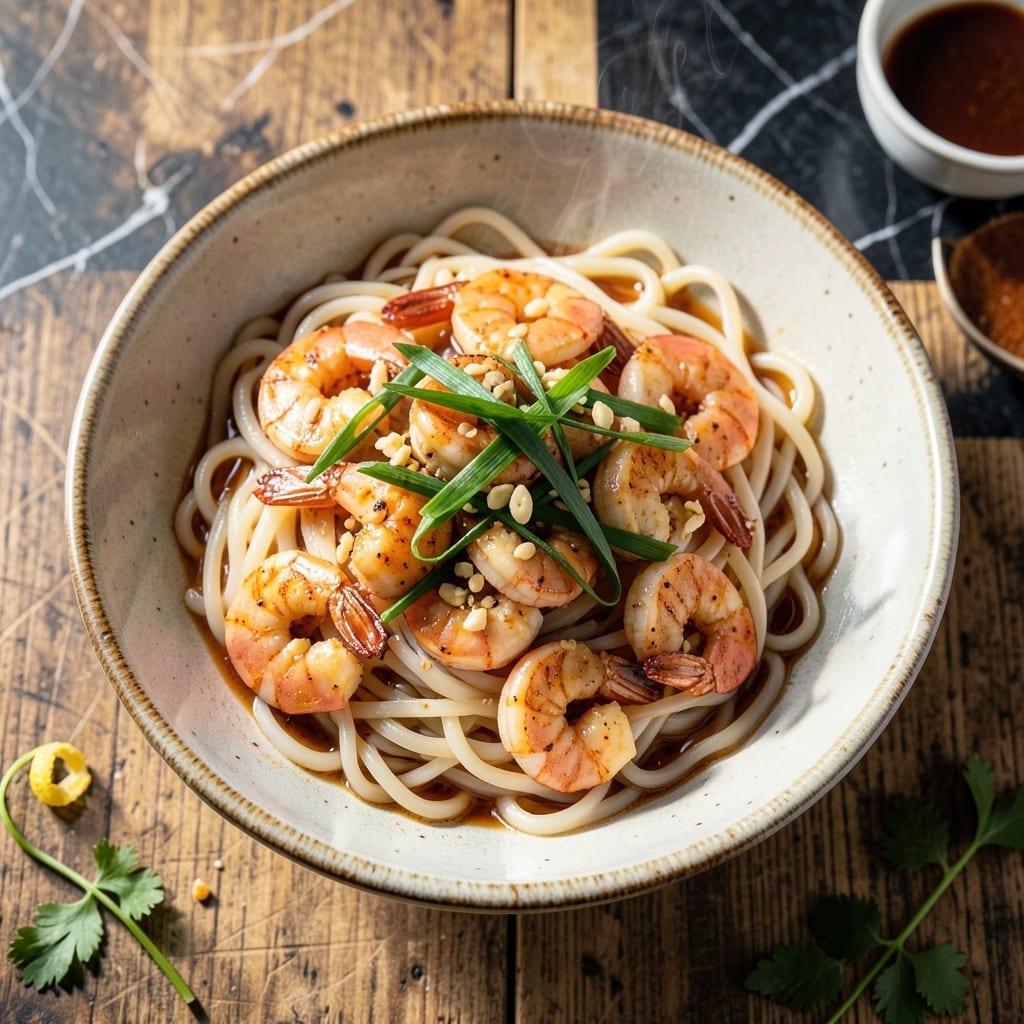
This recipe brings authentic Hong Kong street food to your kitchen with a wok-charred technique that creates signature smoky flavor. I developed this after testing multiple methods to achieve that distinct texture.
The key is high heat and quick cooking, which gives the rice noodles their characteristic slightly crispy edges while keeping them tender. Traditional soy sauce and oyster sauce create the rich, savory base.
You’ll get restaurant-quality results with chewy noodles, perfectly charred bits, and a deeply flavorful sauce that clings to every strand. The aroma alone will transport you to a bustling Hong Kong market.
Serve with your choice of protein—shrimp, beef, or chicken all work beautifully. This is street food elevated to home cooking perfection.
Ingredients for Hong Kong Rice Noodles
Authentic Hong Kong flavors start with these fresh, quality ingredients for wok-charred perfection.
| Ingredient | Amount | Notes |
|---|---|---|
| Dried Rice Noodles 🍜 | 8 oz | Flat wide variety preferred |
| Shrimp 🦐 | 1 lb | Peeled, deveined, medium size |
| Soy Sauce 🫒 | 3 tbsp | Light or all-purpose variety |
| Oyster Sauce 🫒 | 2 tbsp | Vegetarian if preferred |
| Sesame Oil 🫒 | 1 tbsp | Toasted for depth of flavor |
| Garlic Cloves 🧄 | 4 cloves | Minced for maximum flavor |
| Fresh Ginger 🌿 | 1 tbsp | Finely grated or minced |
| Green Onions 🧅 | 4 whole | Thinly sliced, white and green parts |
| Bean Sprouts 🌱 | 1 cup | Fresh, rinsed thoroughly |
| Red Bell Pepper 🌶️ | 1 whole | Thinly sliced for crunch |
| Neutral Oil 🫒 | 3 tbsp | High smoke point for wok cooking |
| Shaoxing Wine 🍶 | 2 tbsp | Dry sherry as substitute |
| White Pepper 🧂 | ½ tsp | Ground for authentic flavor |
| Salt 🧂 | ½ tsp | To taste, adjust carefully |
The rice noodles are non-negotiable here—look for flat, wide dried noodles at Asian markets or the international aisle at Whole Foods. For the shrimp, wild-caught or sustainably farmed is ideal if available. The oyster sauce is key for that authentic flavor, but vegetarian versions work perfectly if you prefer. Shaoxing wine might require a trip to an Asian grocery store, but it’s worth it (or dry sherry in a pinch).
No shrimp? Chicken or tofu are great swaps—just slice them thin for quick cooking. Missing Shaoxing wine? Dry sherry at a 1:1 ratio gets you close. Out of bean sprouts? Shredded cabbage adds a similar crunch. The sesame oil can be swapped for peanut oil if that’s what you have, though the flavor will differ slightly.
Store dried noodles in a cool, dark place—they’ll keep for months. Fresh shrimp? Use within 2 days or freeze for 3 months. The ginger and garlic can be pre-minced and stored in the fridge for 1 week (just don’t let them dry out).
Why You’ll Love This Recipe
- One Pan Wonder: I just soak the rice noodles while the shrimp cooks, then toss everything with soy and oyster sauce—minimal cleanup, maximum flavor.
- Umami Bomb: The combo of oyster sauce and sesame oil hits that sweet-savory spot I crave in every bite.
- Feeds a Crowd: Between us, it’s my go-to for potlucks since it stretches easily with extra noodles or veggies.
- Next-Day Magic: Honestly, the leftovers taste even better after the noodles soak up all that sauce overnight.
Step-by-Step Instructions for Hong Kong Rice Noodles
Master the wok technique that delivers that signature charred flavor and chewy texture.
Step 1: Soak and Prepare the Rice Noodles
Place the 8 oz Dried Rice Noodles in a large bowl and cover with hot tap water. Let them soak for 10-12 minutes until pliable but still slightly firm—they’ll finish cooking in the wok. Drain immediately and rinse under cold water to stop the cooking process.
I always check one noodle by biting into it; it should be just tender at the edges with a slight resistance in the center. Toss the soaked noodles with 1 tbsp Sesame Oil to prevent sticking. This step ensures they don’t clump together during the high-heat stir-fry.
Step 2: Stir-Fry the Aromatics and Shrimp
Heat 2 tbsp Neutral Oil in a wok or large skillet over high heat until shimmering. Add the 1 lb Shrimp and stir-fry for 1-2 minutes per side until they turn opaque and just begin to curl. Remove the shrimp and set aside—they’ll cook further when added back to the wok.
In the same pan, add the remaining 1 tbsp Neutral Oil, then toss in the 4 cloves Garlic Cloves and 1 tbsp Fresh Ginger. Stir-fry for 20-30 seconds until fragrant but not browned. Add the 1 whole Red Bell Pepper and cook for 1-2 minutes until the edges start to blister. The aroma should be intoxicating at this point.
Step 3: Combine Noodles and Sauce
Add the soaked 8 oz Dried Rice Noodles to the wok along with the 3 tbsp Soy Sauce, 2 tbsp Oyster Sauce, and 2 tbsp Shaoxing Wine. Toss everything together vigorously with tongs for 2-3 minutes until the noodles are evenly coated and starting to char slightly.
Return the shrimp to the wok and add the 4 whole Green Onions and 1 cup Bean Sprouts. Stir-fry for another 1-2 minutes until the bean sprouts are just tender and the noodles have absorbed most of the sauce. The wok should be hot enough to create that desirable smoky flavor.
Step 4: Season and Serve Immediately
Sprinkle with 0.5 tsp White Pepper and 0.5 tsp Salt, then toss once more to distribute evenly. Taste and adjust seasoning if needed—I often find the oyster sauce provides enough saltiness, but the white pepper adds that authentic touch.
Transfer to a serving platter while still sizzling. The noodles should have a slight char and a glossy sheen from the sauce, with the shrimp and vegetables evenly distributed throughout. Serve immediately—the texture is best when fresh from the wok.
Pro Tips For Making Hong Kong Rice Noodles
- Soak Noodles Properly: Cover dried rice noodles with warm water for exactly 8-10 minutes—they should be pliable but still slightly firm. I learned this the hard way after ending up with mushy noodles more than once.
- Pat Shrimp Dry: Blot shrimp with paper towels before cooking to prevent splattering and ensure a good sear. Sounds tedious, but it actually changes the outcome.
- Skip Over-Salting: Soy sauce and oyster sauce are already salty—taste as you go and resist the urge to add extra salt too early. My grandmother swore by this, and she was right.
- Toast the Noodles: After draining, quickly fry the soaked noodles in hot oil for 1-2 minutes to enhance their texture. This isn’t the prettiest step, but it’s the tastiest.
Troubleshooting Great hong kong rice noodles
Noodles Sticking Together
If your rice noodles clump during soaking, you likely let them sit too long. After soaking for 10-12 minutes, rinse immediately with cold water. I always toss them with 1 tbsp Sesame Oil right after draining to create a protective barrier. This prevents the dreaded noodle brick. 💡
Shrimp Rubbery Texture
Overcooking shrimp is the most common mistake. They only need 1-2 minutes per side in the wok. Remove them early—they’ll finish cooking when added back with the noodles. I test one by cutting into it; it should be just opaque with a slight translucence in the center.
Sauce Too Thin
If your sauce isn’t clinging to the noodles, your wok wasn’t hot enough. Crank the heat to high and let the sauce reduce for 30 seconds before adding the noodles. The starch from the noodles will help thicken it naturally as they finish cooking.
Missing Char Flavor
That smoky wok hei flavor requires high heat and patience. Don’t stir constantly—let the noodles sit undisturbed for 20-30 seconds to develop char. I press them down lightly with my spatula to encourage contact with the hot surface. 🔥
Bean Sprouts Soggy
Add bean sprouts last—they only need 1-2 minutes to cook. If they’re waterlogged from rinsing, pat them dry first. For extra crunch, I sometimes blanch them for 30 seconds in boiling water before adding to the wok.
Sauce Too Salty
Oyster sauce can be potent. Start with 1 tbsp and taste before adding the second. If it’s too salty, balance with a splash of Shaoxing Wine or a pinch of sugar. I always taste as I go—this dish comes together quickly at the end.
Nutrition Facts
Frequently Asked Questions
What type of rice noodles work best?
Use flat, wide dried rice noodles for authentic texture. Soak for 10-12 minutes until pliable but still firm. Avoid thin vermicelli as they won’t hold up to stir-frying.
Can I use a regular skillet instead of a wok?
Yes, but use a large, heavy skillet and get it very hot before adding ingredients. A wok’s high sides prevent spills, but a skillet works in a pinch. Stir frequently to prevent burning.
How do I get that smoky wok flavor at home?
Crank the heat to maximum and let the noodles char for 20-30 seconds undisturbed. Press them down lightly with a spatula. A gas stove works best for this technique.

- Ground Beef Rice and Beans Recipe: Slow-Simmered Savory Harmony - October 17, 2026
- Guyanese Fried Rice Recipe: Caribbean Spice With Wok-Charred Aromatics - October 17, 2026
- Hakka Thunder Tea Rice Recipe: Wok-Charred Herbal Infusion - October 17, 2026