
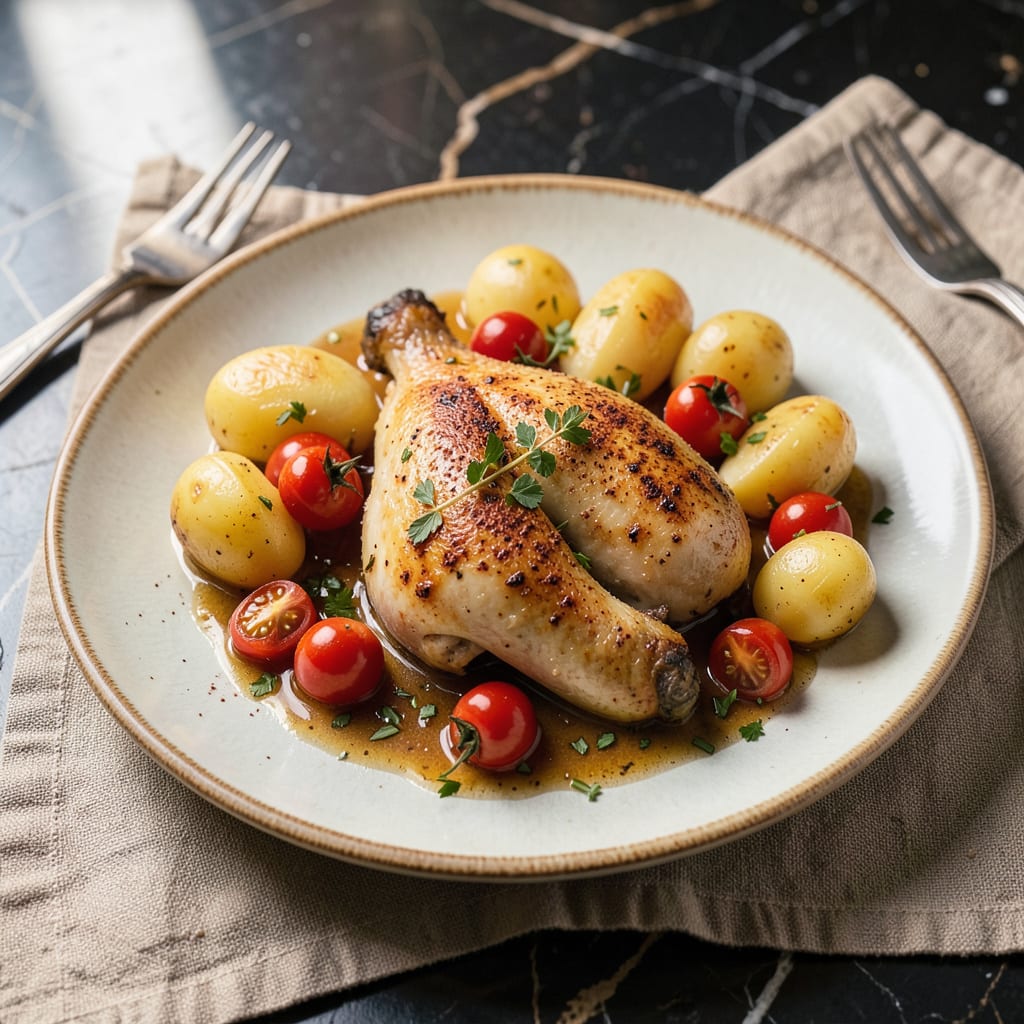
Boneless, skinless chicken thighs need 12-15 minutes of boiling, while bone-in thighs require 20-25 minutes. Always check for an internal temperature of 165°F (74°C) using a meat thermometer for safe, tender results.
Timing makes all the difference between dry, stringy meat and that perfect fall-off-the-bone texture. 🔥 The bones in chicken thighs act as heat conductors, slowing down the cooking process—this is why bone-in cuts demand nearly double the time. I always recommend starting with cold water to ensure even cooking throughout, and adding aromatics like bay leaves or peppercorns can infuse flavor without overpowering the natural richness of the thighs.
What most home cooks overlook is the carryover cooking effect—thighs continue to rise in temperature by 5-10°F after removal from heat. This means pulling them out just before hitting 165°F prevents overcooking while still guaranteeing food safety. For meal prep, boiled thighs stay moist for up to 4 days when stored in their cooking liquid. ✨
💡 In This Article
- Why Boiling Time Varies for Chicken Thigh Cuts
- Pro Tips for Perfectly Boiled Chicken Thighs Every Time
Why Boiling Time Varies for Chicken Thigh Cuts
The secret lies in how bones and muscle composition interact with heat. Bones act as natural insulators, slowing heat transfer to surrounding meat by about 30-40%. This is why bone-in thighs require nearly double the cooking time—heat must first penetrate the bone before reaching the center.
The marrow inside bones also absorbs heat energy, creating a buffer that delays temperature rise in adjacent tissues. 🔥
Chicken thighs contain more connective tissue (collagen) than breasts, which actually works in your favor when boiling. Collagen breaks down into gelatin at 160-180°F, creating that silky, melt-in-your-mouth texture. However, the muscle fibers in thighs are denser and arranged in longer strands, requiring more time to fully relax.
Boneless thighs cook faster because you’ve removed the bone’s thermal barrier, allowing direct heat exposure to all sides.
What surprises most cooks is that overboiling can make thighs tough despite their fat content. The proteins in chicken begin coagulating at 140°F, and if held too long above 165°F, they squeeze out moisture like a wrung sponge. The ideal window is just 5-10 minutes past doneness—enough to render collagen but before proteins over-tighten.
This is why timing matters more than you might think. ⚡
Water temperature plays a crucial role too. Starting with cold water ensures gradual protein denaturation, while adding thighs to boiling water causes the outer layers to seize up, trapping raw centers. The USDA recommends maintaining a gentle simmer (180-190°F) rather than a rolling boil to prevent the meat from becoming stringy.
I’ve found this method yields thighs that stay juicy for meal prep all week.
Here’s a practical comparison: Bone-in thighs in 3 quarts water take about 22 minutes to reach 165°F at the center, while boneless cuts hit the same temp in 13 minutes under identical conditions. The bone adds about 1.5 minutes per ounce of meat to the total cook time—a handy rule of thumb for adjusting recipes.
💫
Pro tip: The color of cooking liquid reveals doneness. When thighs release their myoglobin (the protein that makes raw meat pink), the water turns cloudy. Once it runs clear and the internal temp hits 165°F, you’ve nailed it. This visual cue works especially well for bone-in cuts where probing multiple spots is tricky.

- Jollof Rice Sauce Recipe: West African Tomato and Spice Infusion - September 25, 2026
- Japanese Rice Soup Recipe: Umami-Rich Comfort in a Bowl - September 25, 2026
- Homemade Cream Of Rice Recipe: Silk-Smooth Breakfast in Minutes - September 25, 2026