
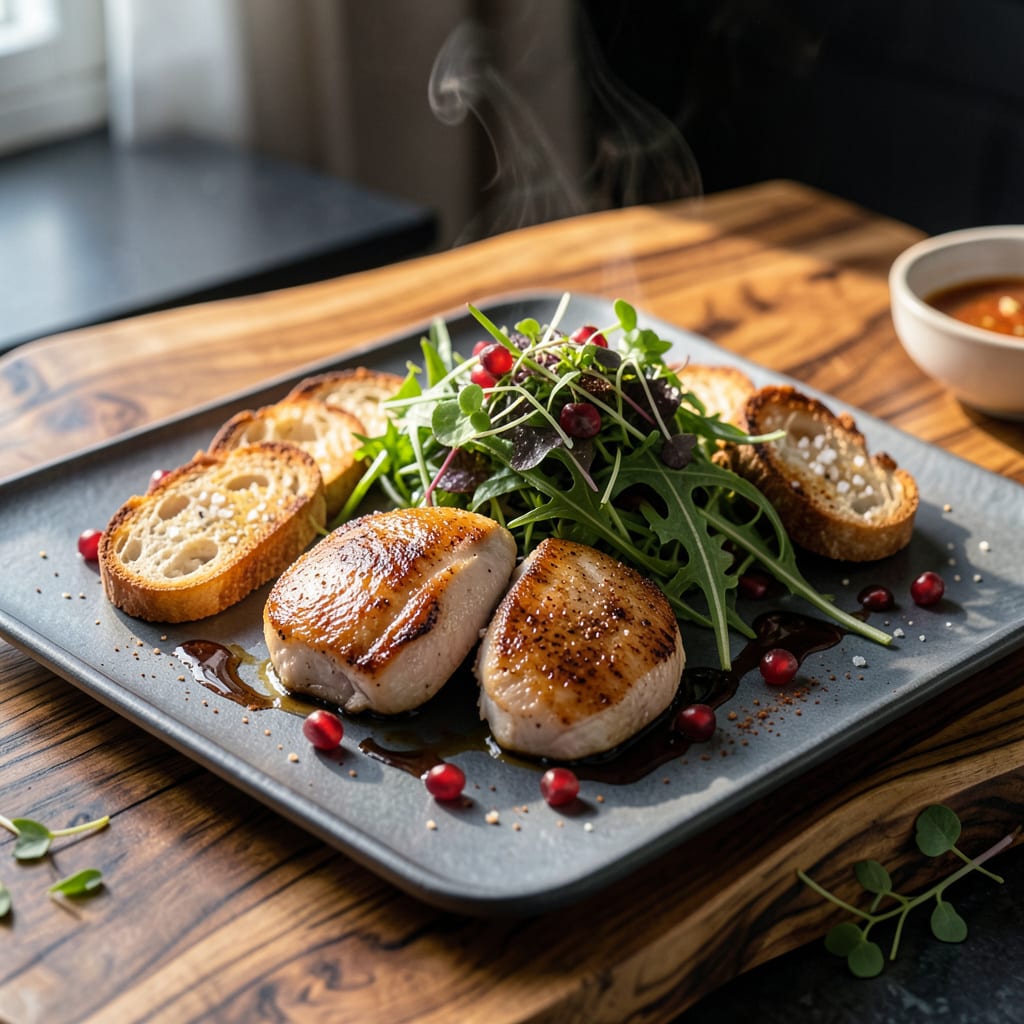
Bake chicken livers at 375°F (190°C) for 15-20 minutes, flipping halfway, until internal temperature reaches 165°F (74°C). Overcooking makes them rubbery, so check early for a tender but fully cooked result.
Nailing the perfect texture with chicken livers is all about precision timing and temperature control. 🔥 The 15-20 minute window accounts for their delicate nature—too short and they’re underdone, too long and they turn mealy. I’ve found that using a meat thermometer is non-negotiable here, as visual cues alone can be misleading with offal. What’s fascinating is how their high iron content actually makes them cook faster than regular chicken meat, which is why that 165°F internal target hits the sweet spot between safety and succulence.
Pro tip: Arrange them in a single layer on a preheated baking sheet to ensure even cooking. ✨ The flip at the halfway mark isn’t just for browning—it prevents the bottoms from steaming in their own juices, which would compromise that ideal slightly crisp exterior. This method works beautifully whether you’re cooking them plain for pâté or seasoned for a hearty main dish.
💡 In This Article
- Why Oven Temperature Matters for Perfect Chicken Livers
- Prepping and Seasoning Chicken Livers for Oven Cooking
Why Oven Temperature Matters for Perfect Chicken Livers
Chicken livers cook differently than muscle meat because of their high moisture content (about 70%) and delicate cell structure. At 375°F, the proteins denature gradually—unfolding just enough to firm up the texture without squeezing out all the juices. This temperature creates the Maillard reaction (that golden browning) while keeping the interior creamy.
🔥 Higher temps like 425°F would cause rapid moisture loss, turning them grainy before the center even cooks through.
The 15-20 minute window accounts for carryover cooking—a phenomenon where the internal temperature rises 5-10°F after removal from the oven. Since livers are small (typically 1-2 inches thick), they’re especially susceptible to this effect.
Convection ovens may shave 2-3 minutes off the time due to forced hot air circulation, while conventional ovens need the full range. A meat thermometer is essential here because their dark color makes visual doneness checks unreliable.
What happens at the cellular level? The collagen in liver tissue begins breaking down around 160°F, but you want to hit 165°F to ensure food safety without overcooking. Below 150°F, the texture remains uncomfortably soft; above 170°F, the proteins contract violently, expelling moisture and creating that dreaded rubbery bite.
The narrow 5°F safe zone is why precise temperature control matters more with offal than regular chicken.
Oven placement affects results too. The top rack (with broiler off) gives the best balance of direct and indirect heat. 💫 I’ve found that arranging livers 1 inch apart prevents steaming while allowing even airflow.
Cast iron pans retain heat better than baking sheets, which can reduce cooking time by 1-2 minutes—another variable to monitor closely.
Here’s the science behind the flip: Chicken livers contain about 20% fat that renders during cooking. Flipping at the 8-minute mark ensures this fat distributes evenly, preventing one side from becoming greasy while the other dries out. The rendered fat also creates a flavorful crust when it interacts with seasonings at high heat.
For comparison, beef liver (with 5% fat) would require 3-4 minutes less at the same temperature. Chicken livers’ higher fat content makes them more forgiving, but their smaller size means they cross the overcooked threshold faster than you’d expect.
That’s why checking at 12 minutes with a thermometer is my pro move—better to add time than rescue dried-out livers!
The ideal doneness combines a slightly crisp exterior with a interior that yields to gentle pressure—like a perfectly cooked scallop. ✨ This texture window lasts only about 60 seconds before overcooking sets in, which is why immediate serving (or transferring to a 170°F warming oven) preserves that perfect bite.

- Jollof Rice Sauce Recipe: West African Tomato and Spice Infusion - September 25, 2026
- Japanese Rice Soup Recipe: Umami-Rich Comfort in a Bowl - September 25, 2026
- Homemade Cream Of Rice Recipe: Silk-Smooth Breakfast in Minutes - September 25, 2026