
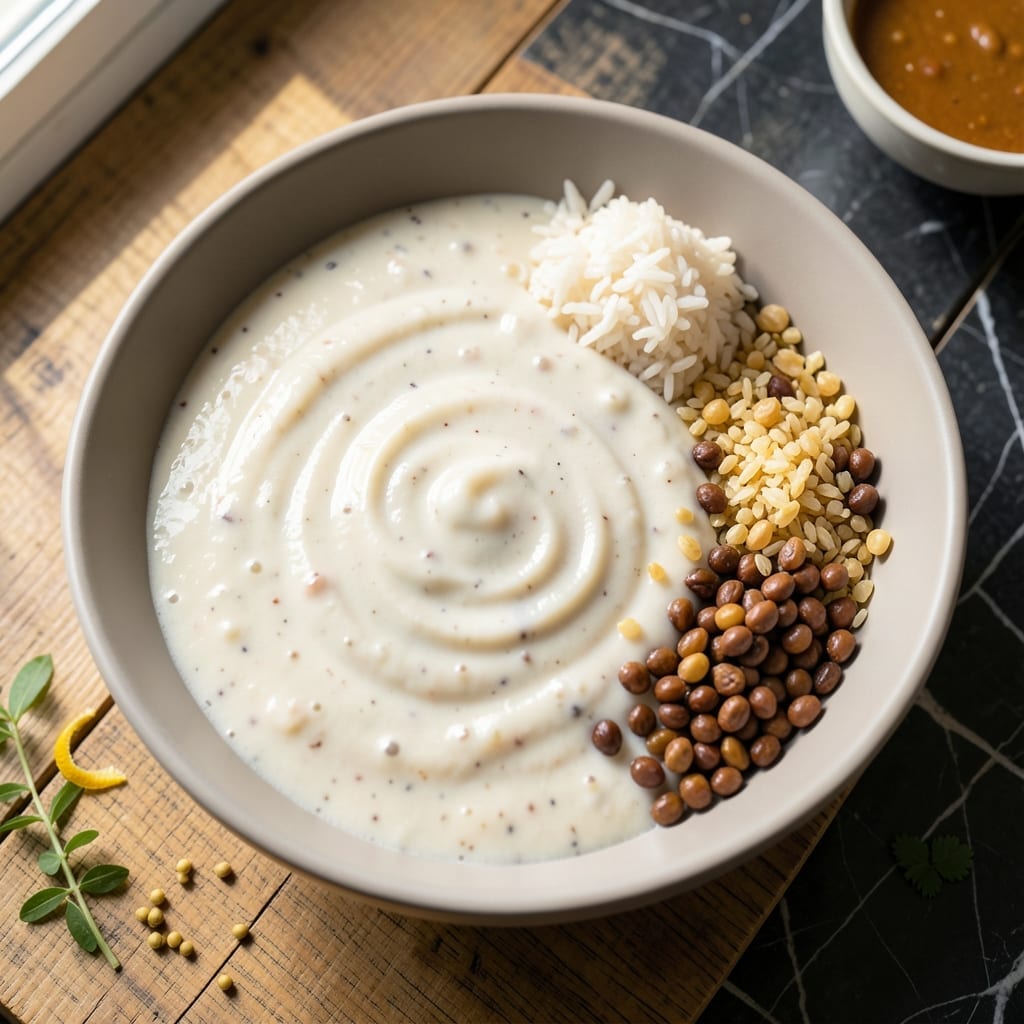
Mastering the art of idli batter is simpler than you think. This proven method combines rice and urad dal in precise ratios to create the foundation for perfect, pillowy soft idlis every time.
The process begins with proper soaking, which softens the grains and lentils for optimal grinding. The fermentation step is where the magic happens, transforming the batter into a light, airy mixture that steams into fluffy idlis.
What sets this recipe apart is the attention to detail in each stage. From selecting the right rice variety to ensuring proper fermentation temperature, every element contributes to the final texture.
Once steamed, these idlis emerge with a tender interior and slightly spongy exterior, ready to be paired with your favorite chutneys and sambar.
Ingredients for Idli Batter Recipe with Rice and Urad Dal
Simple pantry staples transform into fluffy, fermented perfection with this foolproof batter.
| Ingredient | Amount | Notes |
|---|---|---|
| Idli Rice 🌾 | 2 cups | Parboiled or idli rava |
| Urad Dal 🥣 | ¾ cup | Whole, skinless black gram |
| Fenugreek Seeds 🌿 | ½ tsp | Optional for fermentation aid |
| Water 💧 | 6 cups | Divided for soaking and grinding |
| Salt 🧂 | 1 ½ tsp | Adjust to taste after fermentation |
| Poha 🌾 | ¼ cup | Thick flattened rice flakes |
| Cooked Rice 🍚 | ½ cup | Optional for softer texture |
The rice and urad dal are non-negotiable here. Idli rice or parboiled rice gives that classic texture—regular white rice won’t cut it. Urad dal must be whole and skinless; split dal changes the fermentation. For best results, buy from an Indian grocery store where turnover is high. Fenugreek seeds are tiny but mighty (the fresh stuff, not old dusty jars).
No idli rice? Parboiled rice at a 1:1 ratio works in a pinch. Skipping urad dal? Chana dal or moong dal can substitute but the texture won’t be the same. Fenugreek missing? Skip it—the batter will still ferment, just slower. Poha isn’t traditional but adds softness (use thick variety, not thin).
Store rice and dal in airtight containers in a cool, dry place for up to 6 months. Soak only what you’ll use immediately. Fermented batter keeps 2-3 days in the fridge (use it up fast—it peaks at 24 hours).
Why You’ll Love This Recipe
- Soak and Forget: I toss the rice, urad dal, and fenugreek seeds in water before bed, and by morning they’re ready to blend—no last-minute fuss.
- That Fermented Magic: The tangy aroma after fermentation gets me every time, and the soft, pillowy idlis taste like a hug on a plate.
- Breakfast for Days: One batch makes enough for a week of quick breakfasts, and honestly, they taste even better the next day.
- Pocket-Friendly Staple: Idli rice and urad dal are cheap, and this batter stretches farther than my old pancake mix ever did.
Step-by-Step Instructions for Idli Batter With Rice and Urad Dal
Here’s the method that guarantees light, fluffy idlis every time you make them.
Step 1: Soak the Rice and Dal Properly
Rinse the 2 cups Idli Rice and 0.25 cup Poha together in a large bowl until the water runs clear. Drain and add 2 cups Water to cover. In a separate bowl, rinse the 0.75 cup Urad Dal with the 0.5 tsp Fenugreek Seeds, then soak in 2 cups Water.
The urad dal should soak for at least 4 hours, while the rice can soak for 4-6 hours. You’ll know they’re ready when the urad dal has plumped up significantly and the rice grains break easily between your fingers. This proper hydration is non-negotiable for perfect fermentation.
Step 2: Grind to the Right Consistency
Drain the urad dal completely and grind it first with a little water at a time (from the remaining 2 cups Water). The batter should be smooth and fluffy—almost like whipped cream. This usually takes 15-20 minutes in a good quality grinder.
Next, drain the rice and poha, add the 0.5 cup Cooked Rice if using, then grind with just enough water to make a slightly coarse batter. The rice batter should be thicker than the urad dal batter but still pourable. The cooked rice helps create that soft, pillowy texture we’re after.
Step 3: Mix and Ferment Overnight
Combine both batters in a large container. I use my hands to mix thoroughly—this helps incorporate air and kickstarts fermentation. The mixture should be thick but pourable, like pancake batter. Add the 1.5 tsp Salt now or wait until after fermentation; both work.
Cover loosely (I use a clean kitchen towel) and let it ferment in a warm place for 8-12 hours. In cooler climates, you might need up to 24 hours. You’ll know it’s ready when the batter has risen significantly, looks slightly bubbly, and has a pleasant sour aroma. The volume should nearly double.
Step 4: Check for Perfect Fermentation
The most reliable test is the float test: drop a small spoonful of batter into a glass of water. If it floats to the top immediately, your batter is perfectly fermented. If it sinks, give it more time. The batter should have a tangy smell and be full of tiny air bubbles.
If your kitchen is cold, place the container in a turned-off oven with the light on, or near a warm appliance. Don’t be tempted to use more fenugreek seeds to speed up fermentation—this can make the idlis bitter. Patience here ensures those perfect, airy pillows we’re aiming for.
Pro Tips For Making Idli Batter Recipe With Rice And Urad Dal
- Soak Overnight: I learned this the hard way—both rice and urad dal need a full 6-8 hours in water to soften properly, otherwise your idlis turn out dense. Sounds tedious, but it actually changes the outcome.
- Grind Urad First: Always grind the urad dal first to a smooth, fluffy batter before adding rice. My grandmother swore by this, and she was right: it gives the idlis that perfect airy texture.
- Skip Cold Water: Use lukewarm water when grinding—cold water makes the batter too thick and hard to ferment. I was skeptical until I tried it, and now I never go back.
- Ferment 12 Hours: After mixing, leave the batter in a warm place for at least 12 hours to ferment. Yes, even if you’re impatient like me—this is the thing that matters most for soft, fluffy idlis.
Pro Cooking Tips for Perfect Results
Soaking Perfection
I always soak the urad dal and rice separately—this prevents uneven hydration. Use room temperature water and ensure both are fully submerged. In my Boston kitchen, I’ve found 6 hours is the sweet spot for rice, while urad dal needs just 4 hours. 💡
Grinding Like a Pro
Grind the urad dal first until it’s silky smooth, adding water in 2-tbsp increments. The rice should be ground coarser—this texture contrast is key. I use a Preethi mixer for consistent results, and it takes about 15-20 minutes total.
Fermentation Tricks
For reliable fermentation, I place the batter in my oven with the light on—this maintains a steady 85-90°F. In cooler months, I add a bowl of warm water nearby. The float test never lies: if it sinks, give it more time. Patience is your best tool here.
Batter Consistency
The ideal batter should coat the back of a spoon but still drip slowly. If it’s too thick, add 1-2 tbsp water at a time. I mix with my hands to aerate the batter, which helps create those airy, fluffy idlis we all love.
Troubleshooting Tips
If your idlis turn out dense, check your fermentation time or temperature. A sour smell means it’s over-fermented—use it immediately. For bitter notes, reduce fenugreek to ¼ tsp next time. Honestly, even my failed batches taught me the most!
Nutrition Facts
Frequently Asked Questions
Why soak rice and urad dal separately?
They require different soaking times for optimal hydration. Urad dal needs 4 hours while rice benefits from 6 hours. Separate soaking prevents uneven texture in your final batter.
How do I know when fermentation is complete?
Perform the float test: drop a spoonful of batter in water. If it floats immediately, it’s ready. The batter should also double in volume and develop a tangy aroma.
Can I use regular rice instead of idli rice?
In a pinch, yes, but use parboiled rice at a 1:1 ratio. Regular white rice may yield denser idlis. For best results, stick with idli rice or rava.
What if my idlis turn out dense?
Check your fermentation time or temperature. Insufficient fermentation is the most common cause. Ensure your kitchen stays warm during the 8-12 hour process.

- Mujadara Rice and Lentils Recipe: Earthy Spiced Lentils With Caramelized Onions - November 1, 2026
- Naija Fried Rice Recipe: Street-Style Spice With Veggie Crunch - November 1, 2026
- Mushy Rice Recipe: Fluffy Grains Transformed in Minutes - November 1, 2026