
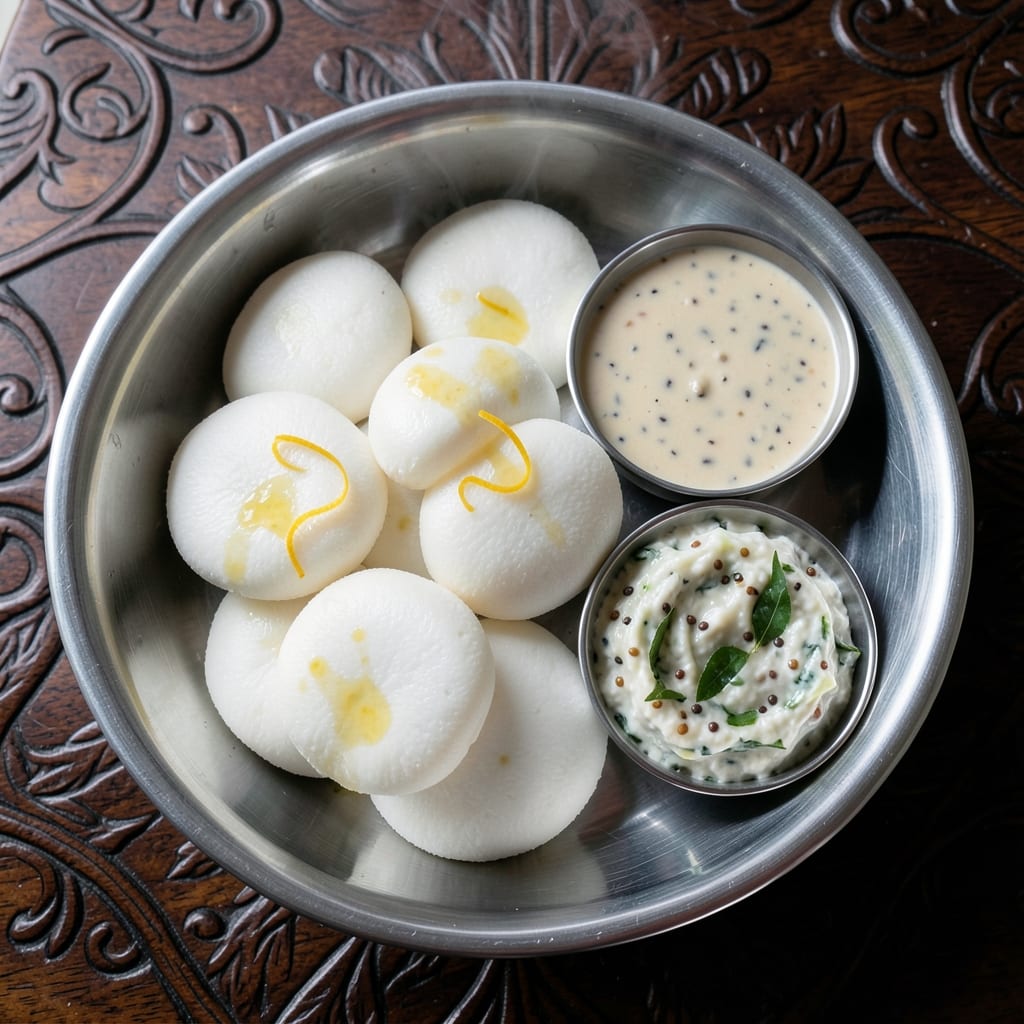
Mastering the ideal rice to urad dal ratio is the foundation for achieving perfectly fluffy idli every time. This South Indian staple requires precision in both measurement and method.
After years of testing in my small kitchen, I’ve found the 2:1 ratio of rice to urad dal delivers the lightest texture. Soaking the grains properly and allowing adequate fermentation time are non-negotiable steps.
The result is soft, pillowy idli with a slightly tangy flavor and porous structure that absorbs sambar and chutney beautifully. The process demands patience but rewards with authentic taste.
This classic dish transforms simple ingredients into a breakfast or snack that’s both nutritious and deeply satisfying. The technique makes all the difference.
Ingredients for Idli Recipe Rice Urad Dal Ratio
Simple ingredients transform into pillowy, authentic South Indian idli with the right ratio and care.
| Ingredient | Amount | Notes |
|---|---|---|
| Parboiled Rice 🍚 | 2 cups | Also known as idli rice |
| Urad Dal 🌾 | 1 cup | Whole, skinless black gram |
| Fenugreek Seeds 🌿 | 1 tsp | Also known as methi seeds |
| Water 💧 | 4 cups | For soaking rice and dal |
| Salt 🧂 | 1 ½ tsp | Adjust to taste in batter |
| Oil 🫒 | 2 tbsp | For greasing idli molds |
| Cumin Seeds 🌿 | 1 tsp | Optional, for added flavor |
| Curry Leaves 🍃 | 8 pieces | Fresh, optional for aroma |
| Asafoetida 🌿 | ¼ tsp | Also known as hing, optional |
| Ginger 🌿 | 1 tbsp | Finely grated, optional |
| Green Chilies 🌶️ | 2 pieces | Finely chopped, optional |
| Coconut 🥥 | ¼ cup | Freshly grated, optional |
The rice and urad dal quality is paramount. Indian grocery stores like Patel Brothers or H-Mart carry authentic idli rice and whole urad dal. Avoid pre-split urad dal as it won’t ferment properly. Fenugreek seeds, while small in quantity, are essential for fermentation—ensure they’re fresh and not stale. The 2:1 ratio is non-negotiable for achieving that signature fluffy texture.
No idli rice? Parboiled rice or basmati can work in a pinch, though texture may vary. Urad dal can be substituted with whole mung beans for a different but still fermented batter. For those avoiding fenugreek, a pinch of baking soda can aid fermentation, but flavor will differ. Asafoetida adds depth, but omit if unavailable—it’s not a dealbreaker.
Store rice and dal in airtight containers in a cool, dry place for up to 6 months. Once fermented, batter keeps in the fridge for 2 days—use it quickly for best results. Cooked idli stays fresh for 2 days or can be frozen for 1 month.
Why You’ll Love This Recipe
- Soak & Forget: I just mix the rice and urad dal in a 2:1 ratio with water, let it sit overnight, and the batter practically makes itself.
- Pillowy Perfection: The fenugreek seeds add that subtle earthy note that makes the idlis fluffy and irresistibly soft every single time.
- Breakfast to Dinner: I make a big batch on Sunday and we’re set for breakfast, snacks, or even light dinners all week long.
- Pocket-Friendly Feast: Parboiled rice and urad dal are cheap staples, and this ratio stretches them into a meal that feeds my whole family without breaking the bank.
Step-by-Step Instructions for Idli Rice Urad Dal Ratio
Master the technique for achieving light, airy idlis with the perfect rice-to-dal balance.
Step 1: Soak the Rice and Dal with Fenugreek
Rinse the 2 cups Parboiled Rice thoroughly under running water until the water runs clear. Drain and transfer to a large bowl. Add 4 cups Water and the 1 tsp Fenugreek Seeds to the rice. Fenugreek aids fermentation and enhances fluffiness.
In a separate bowl, rinse the 1 cup Urad Dal and soak it in enough water to cover it completely. Both rice and dal need to soak for 4-6 hours or overnight for best results. The rice grains should swell visibly, and the dal should soften but retain its shape.
Step 2: Grind the Ingredients into a Smooth Batter
Drain the soaked urad dal and transfer it to a wet grinder or high-speed blender. Grind until smooth and fluffy, adding minimal water as needed—the batter should be thick but pourable. This process takes 20-25 minutes in a traditional grinder.
Drain the rice and grind it separately until it reaches a fine, gritty texture. Combine the rice and dal batters in a large container. The ideal consistency is similar to pancake batter—thick enough to coat the back of a spoon but fluid enough to pour easily.
Step 3: Ferment the Batter for Optimal Texture
Add the 1.5 tsp Salt to the combined batter and mix thoroughly. Cover the container with a clean cloth and let it ferment in a warm place for 8-12 hours or overnight. The batter should rise and develop a slightly tangy aroma with visible air bubbles.
For enhanced flavor, stir in the 1 tsp Cumin Seeds, 8 pieces Curry Leaves, 0.25 tsp Asafoetida, 1 tbsp Ginger, and 2 pieces Green Chilies after fermentation. These optional ingredients add depth and aroma without altering the classic texture.
Step 4: Steam the Idlis to Perfection
Grease the idli molds lightly with 2 tbsp Oil to prevent sticking. Pour the batter into the molds, filling each to about ¾ full. The batter will expand during steaming, so leave room for it to rise.
Steam the idlis in a covered steamer over medium-high heat for 12-15 minutes. Check for doneness by inserting a toothpick into the center—it should come out clean. The idlis are ready when they are firm to the touch and have a slightly glossy surface. Remove from the steamer and let them cool for 2-3 minutes before unmolding.
Step 5: Serve with Traditional Accompaniments
Gently remove the idlis from the molds using a spoon or wet spatula. For added richness, sprinkle with 0.25 cup Coconut before serving. The coconut provides a subtle sweetness that complements the tangy, savory idlis.
Serve warm with coconut chutney and sambar for an authentic experience. The idlis should be soft, fluffy, and slightly spongy with a uniform texture throughout. Any leftover batter can be refrigerated and used within 2 days, though fresh batter yields the best results.
Pro Tips For Making Idli Recipe Rice Urad Dal Ratio
- Soak Overnight: Give the urad dal and parboiled rice a full 8-10 hours in water—I learned this the hard way after my first few batches turned out dense and uncooked inside.
- Grind Urad First: Always grind the urad dal first with fenugreek seeds until fluffy, then add rice. My grandmother swore by this, and she was right: the batter ferments better.
- Skip Cold Water: Use warm water for grinding—cold water makes the batter too thick and resistant to fermentation, which kills the fluffiness.
- Rest the Batter: After mixing, let the batter sit for 30 minutes before fermenting—sounds weird, but it works and gives you lighter, airier idlis every time.
Storing and Reheating This idli recipe rice urad dal ratio
Refrigerator Storage
Let cooked idli cool completely before storing in an airtight container. They’ll keep in the fridge at 40°F or below for up to 2 days. I’ve found they taste best when reheated the next morning for breakfast. ❄️
Freezer Storage
For longer storage, freeze idli in a single layer on a tray first, then transfer to freezer bags. They’ll maintain quality for 1 month at 0°F. This prevents them from sticking together and makes portioning easier.
Steaming Reheating
My preferred method: steam frozen or refrigerated idli for 5-7 minutes until hot throughout. This restores their fluffy texture better than any other method. Add 2 tbsp water to the steamer if they seem dry.
Microwave Reheating
Wrap idli in a damp paper towel and microwave on high for 30-45 seconds. For frozen ones, use 50% power for 1-2 minutes. Check temperature and repeat if needed—this prevents rubbery texture.
Batter Storage
Fermented batter keeps in the fridge for up to 2 days. Stir well before using as it may separate. I always use it within 24 hours for best rise and texture. 💡
Reviving Leftovers
If idli seem dry after storage, sprinkle with 1-2 tsp water before reheating. This simple trick brings back their soft, pillowy quality. Serve immediately with fresh chutney for best results.
Nutrition Facts
Frequently Asked Questions
Why is the 2:1 ratio important for the batter?
The 2:1 rice to urad dal ratio creates the ideal balance for fermentation and texture. Too much rice makes idli dense, while too much dal can make them gummy.
Can I use regular rice instead of parboiled?
Regular rice can work in a pinch, but it won’t ferment as well and may yield less fluffy results. Parboiled rice or idli rice is strongly recommended for authentic texture.
How do I know when the batter is properly fermented?
Look for a slight rise in volume and tiny air bubbles on the surface. The batter should have a tangy aroma and a slightly frothy top. 8-12 hours is typical.
Why did my idli turn out hard?
Hard idli usually means insufficient fermentation or over-steaming. Ensure your batter ferments fully and steam for only 12-15 minutes to keep them soft.

- Mujadara Rice and Lentils Recipe: Earthy Spiced Lentils With Caramelized Onions - November 1, 2026
- Naija Fried Rice Recipe: Street-Style Spice With Veggie Crunch - November 1, 2026
- Mushy Rice Recipe: Fluffy Grains Transformed in Minutes - November 1, 2026