
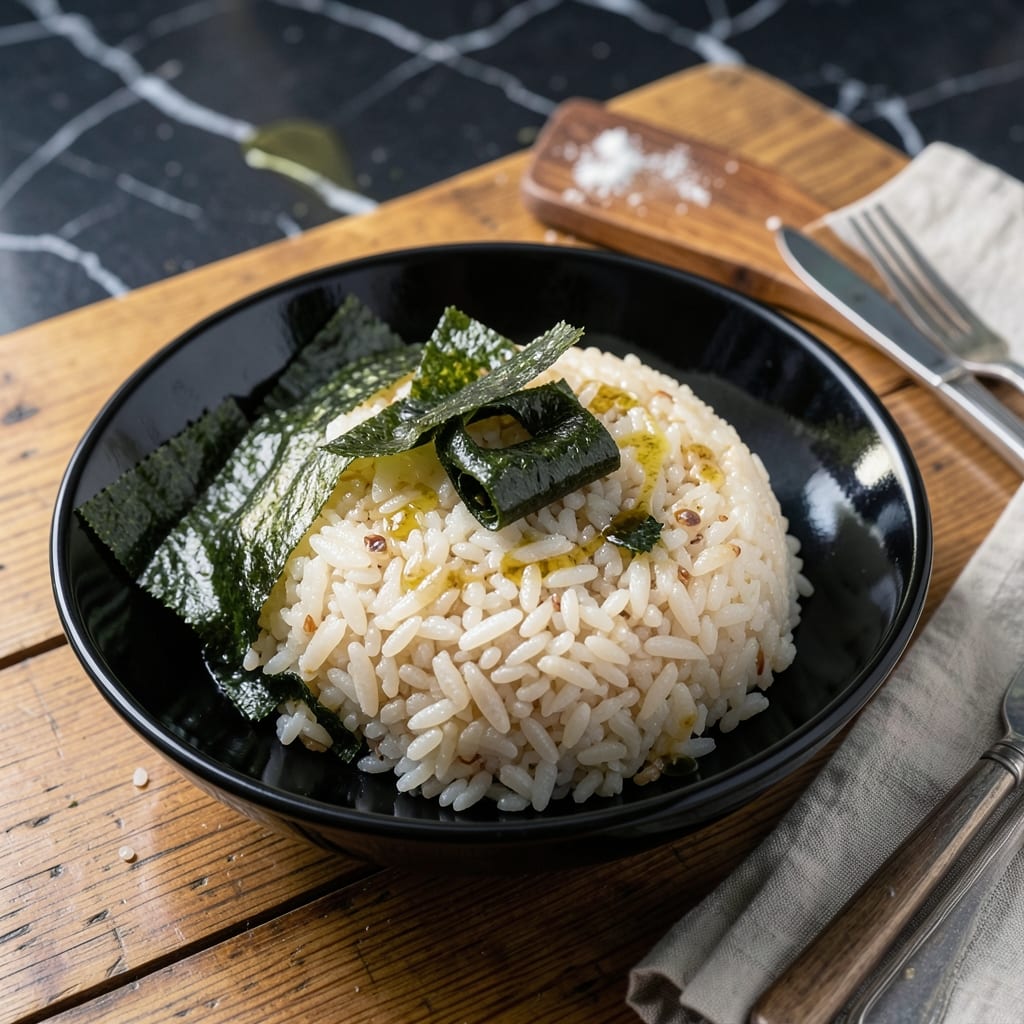
This method delivers perfectly sticky sushi rice every time, with the convenience of your Instant Pot. The precise water ratio and cooking time create grains that cling together just right.
I’ve refined this technique to ensure consistent results—no mushy or dry rice here. Just fluffy, slightly tacky grains ready for rolling or serving as a base.
Ingredients for Instant Pot Sushi Rice
Short list of pantry staples delivers that signature sticky texture every time.
| Ingredient | Amount | Notes |
|---|---|---|
| Sushi Rice 🍚 | 2 cups | Short-grain white rice, rinsed well |
| Water 💧 | 2 ¼ cups | Filtered or cold tap |
| Rice Vinegar 🍶 | ⅓ cup | Seasoned or unseasoned |
| Granulated Sugar 🧂 | 2 tbsp | Dissolved in vinegar mixture |
| Salt 🧂 | 1 tsp | Fine sea salt preferred |
| Nori Sheets 🌿 | 4 sheets | For rolling sushi, optional |
| White Sesame Seeds 🌰 | 1 tbsp | Toasted for garnish, optional |
| Rice Wine Vinegar 🍶 | 1 tbsp | Alternative to rice vinegar |
| Mirin 🍶 | 1 tbsp | Sweet rice wine, optional |
| Soy Sauce 🥢 | 2 tbsp | For serving, optional |
| Pickled Ginger 🌸 | ¼ cup | For serving, optional |
| Wasabi Paste 🟢 | 1 tbsp | For serving, optional |
The rice is everything. Short-grain sushi rice is non-negotiable—long-grain won’t cling properly. Look for brands like Koshihikari or Nishiki at Asian markets or the international aisle. Rinse until the water runs clear (this removes excess starch). I’ve had best results with a 1:1.125 rice-to-water ratio in the Instant Pot, but check your model’s manual for specifics.
No rice vinegar? Apple cider vinegar in a pinch, though the flavor won’t be as clean. Skip the sugar if you prefer less sweetness, but don’t omit the salt—it balances the vinegar’s tang. For extra authenticity, add a splash of mirin (sweet rice wine) to the vinegar mixture. The nori and sesame seeds are optional but recommended for that classic sushi experience.
Cooked rice keeps 2-3 days in the fridge—store in an airtight container to prevent drying. For longer storage, freeze in portions for up to 1 month. Let it come to room temperature before using in rolls, or microwave with a damp paper towel to refresh.
Why You’ll Love This Recipe
- Set and Forget: I just toss everything in the Instant Pot, press start, and walk away—no babysitting the stove or worrying about scorching.
- Sticky Perfection: The rice vinegar and sugar combo gives it that classic sushi taste, sticky yet perfectly seasoned every single time.
- Meal Prep Hero: Honestly, I make a big batch Sunday and use it for rolls, bowls, or even fried rice all week long.
- Budget Friendly: One bag of sushi rice makes so much, and the seasonings are pantry staples I already have on hand.
Step-by-Step Instructions for Instant Pot Sushi Rice
Here’s the method I rely on for consistently perfect results with minimal effort.
Step 1: Rinse and Prepare the Rice
Place the 2 cups sushi rice in a fine-mesh strainer and rinse under cold running water until the water runs clear. I like to swirl the rice with my hand to help remove excess starch. This step prevents the rice from becoming gummy during cooking.
Drain the rice thoroughly for 10 minutes in the strainer. You want the grains to be dry but not bone-dry—just enough that they don’t clump together when you add them to the Instant Pot. This ensures even cooking and the perfect sticky texture.
Step 2: Cook the Rice in the Instant Pot
Add the rinsed 2 cups sushi rice and 2.25 cups water to your Instant Pot. Close the lid, set the valve to sealing, and cook on high pressure for 3 minutes. Yes, just three minutes—that’s all it takes for this method.
After the cooking time, let the pressure release naturally for 10 minutes, then quick-release any remaining pressure. The rice should appear slightly underdone at this stage, but the residual heat will finish the cooking process perfectly. Don’t skip the natural release—it prevents the rice from becoming mushy.
Step 3: Prepare the Seasoning Mixture
While the rice cooks, combine the 0.33 cup rice vinegar, 2 tbsp granulated sugar, and 1 tsp salt in a small saucepan. Heat over medium-low until the sugar and salt dissolve completely, stirring occasionally. This takes about 2-3 minutes.
Remove from heat and let cool slightly. The mixture should be warm but not hot when you add it to the rice—this prevents the rice from becoming soggy. If you prefer, you can use 1 tbsp rice wine vinegar or 1 tbsp mirin as part of the mixture for added depth.
Step 4: Season and Finish the Rice
Transfer the cooked rice to a large, non-reactive bowl (wooden or glass works best). Gently fold in the warm vinegar mixture using a cutting motion with a rice paddle or silicone spatula. Be careful not to mash the grains—you want to preserve their individual texture.
The rice should now have a glossy sheen and a slightly sticky consistency. If it seems too dry, add a splash of water; if too wet, let it sit uncovered for 5 minutes to absorb excess moisture. Taste and adjust seasoning if needed.
Step 5: Serve with Traditional Accompaniments
Serve the sushi rice warm or at room temperature. For a traditional experience, offer 4 sheets nori sheets for rolling, 1 tbsp white sesame seeds for garnish, and 2 tbsp soy sauce for dipping. The optional 0.25 cup pickled ginger and 1 tbsp wasabi paste add authentic flavor contrasts.
Use the rice immediately for sushi rolls, or keep it covered with a damp towel to prevent drying out. The rice is at its best within 2 hours of cooking, while the grains retain their ideal texture and stickiness.
Pro Tips For Making Instant Pot Sushi Rice
- Rinse the Rice: Wash the sushi rice in a fine-mesh strainer until the water runs nearly clear—this removes excess starch so your rice isn’t gummy. I learned this the hard way after my first batch turned into a sticky paste.
- Use Equal Water: Stick to a 1:1 rice-to-water ratio for the Instant Pot, no more, no less. After burning a batch with too little water, I finally figured out that precision here is non-negotiable.
- Natural Release Only: Let the pressure release naturally for 10 minutes after cooking—resist the urge to quick-release. Sounds weird, but it works: the rice finishes steaming evenly and stays perfectly tender.
- Mix Vinegar First: Dissolve the sugar and salt in the rice vinegar before folding it into the cooked rice. My grandmother swore by this, and she was right: it distributes the seasoning evenly without clumps.
Perfect Pairings for These Flavors
Sushi Roll Partners
For classic sushi rolls, pair this rice with fresh raw fish like sashimi-grade salmon or tuna. I also love using cucumber and avocado for vegetarian options. The key is thin, even slices for easy rolling.
Dipping Sauces
Beyond soy sauce, try eel sauce (a sweet, thick glaze) or spicy mayo (mix 2 tbsp mayo with 1 tsp sriracha). These add exciting flavor dimensions to every bite. 🥢
Protein Pairings
Grilled or seared proteins work wonderfully. Try thinly sliced teriyaki chicken, shrimp tempura, or marinated tofu for a hearty addition. Cook proteins separately and let them cool before adding to rolls.
Fresh Garnishes
Top with pickled ginger, thinly sliced scallions, or sesame seeds. These garnishes add color, texture, and complementary flavors. I always keep these on hand for last-minute touches.
Vegetable Additions
For crunch and color, include shredded carrots, bell peppers, or asparagus. Blanch or julienne them for best results. These add freshness and balance to the sticky rice. ✨
Beverage Matches
Serve with green tea (hot or iced) or a crisp Sake. For non-alcoholic options, lychee juice or ginger ale complement the meal beautifully. These cleanse the palate between bites.
Nutrition Facts
Frequently Asked Questions
What’s the best rice-to-water ratio?
Use 2 cups rice to 2.25 cups water for perfect texture. This ratio works for most Instant Pot models but check your manual for specifics.
Can I use long-grain rice instead?
No, short-grain rice is essential for that sticky texture. Long-grain varieties won’t cling properly and will result in dry, separate grains.
How do I fix mushy rice?
If it’s overcooked, spread it on a tray to cool and dry slightly. Next time, reduce water by 2-3 tablespoons and ensure natural pressure release.
Is the vinegar mixture necessary?
The vinegar, sugar, and salt give authentic flavor and shine. You can skip it for plain rice, but the seasoning is what makes it true sushi rice.

- Jollof Rice Sauce Recipe: West African Tomato and Spice Infusion - September 25, 2026
- Japanese Rice Soup Recipe: Umami-Rich Comfort in a Bowl - September 25, 2026
- Homemade Cream Of Rice Recipe: Silk-Smooth Breakfast in Minutes - September 25, 2026