
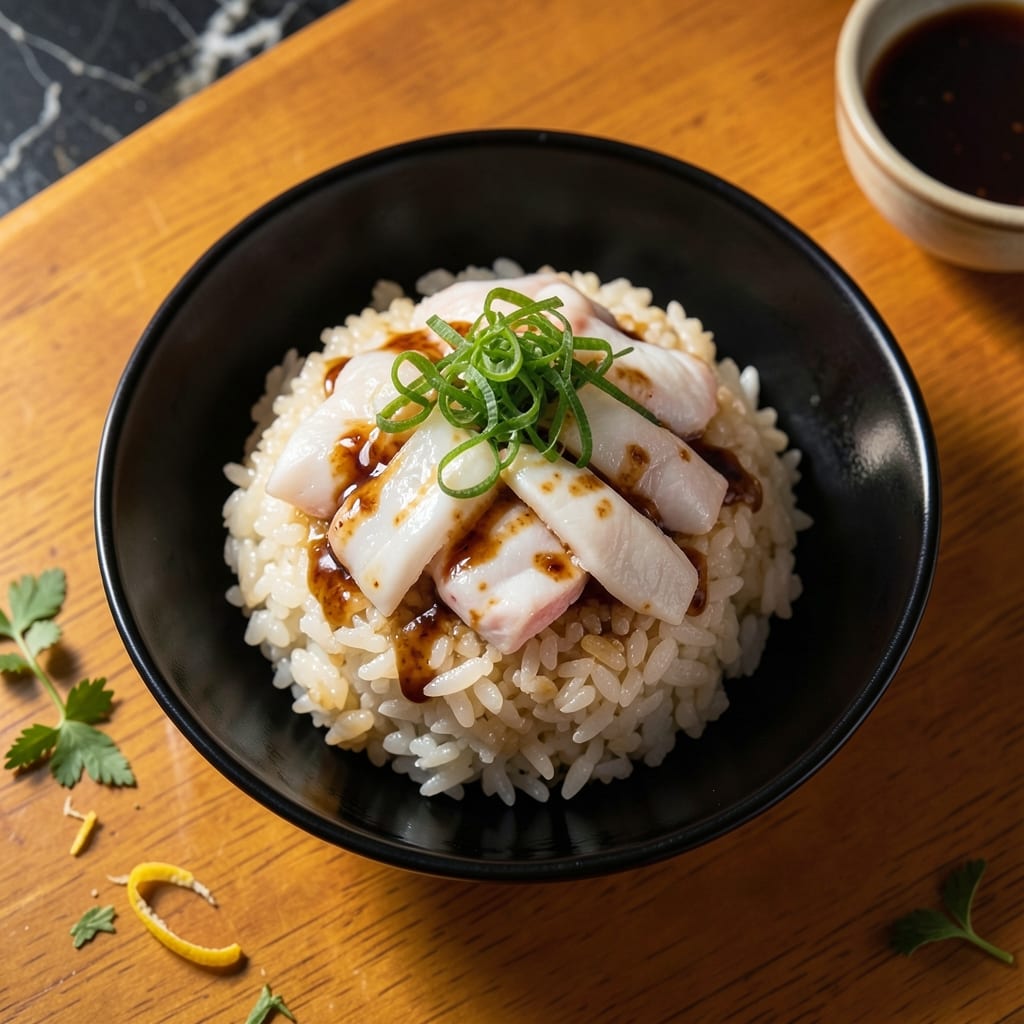
This dish captures the essence of Japanese coastal cuisine with its delicate balance of flavors and textures. I’ve refined this method to highlight the natural sweetness of fresh crab meat paired with perfectly cooked rice.
The technique involves gently folding flaked crab into warm rice seasoned with a light soy-based dressing. This ensures every grain absorbs the oceanic essence without overpowering the crab’s natural taste. The result is a harmonious blend of flavors that’s both comforting and elegant.
What emerges is a dish that’s simple yet sophisticated, with tender crab pieces and rice that’s just sticky enough to hold together. The subtle seasoning allows the crab’s sweetness to shine through in every bite.
Serve it warm with a sprinkle of nori strips for added depth. This creation transforms humble ingredients into something extraordinary.
Ingredients for Japanese Crab Rice
Elevated yet simple ingredients capture authentic Japanese coastal flavors in every bite.
| Ingredient | Amount | Notes |
|---|---|---|
| Sushi Rice 🍚 | 2 cups | Short-grain, rinsed thoroughly |
| Fresh Crab Meat 🦀 | 1 lb | Lump or jumbo preferred |
| Rice Vinegar 🍶 | 3 tbsp | Seasoned variety works best |
| Soy Sauce 🫕 | 2 tbsp | Low-sodium preferred for balance |
| Mirin 🍶 | 1 tbsp | Sweet rice wine essential |
| Granulated Sugar 🍚 | 1 tsp | Dissolved in vinegar mixture |
| Nori Sheets 🪱 | 2 sheets | Cut into thin strips |
| Green Onions 🧅 | 3 whole | Thinly sliced for garnish |
| Sesame Oil 🫒 | 1 tsp | Toasted variety for aroma |
| Salt 🧂 | ½ tsp | Fine sea salt recommended |
| White Sesame Seeds 🌰 | 1 tsp | Toasted for garnish |
| Dashi Stock 🥣 | ¼ cup | Optional for added depth |
The crab is non-negotiable here. Fresh lump or jumbo crab meat from a trusted seafood counter ensures sweet, tender pieces—avoid the pre-cooked canned variety if possible. Whole Foods or local fishmongers often have the best selection. For rice, short-grain sushi rice is essential; brands like Koshihikari or Nishiki are excellent. The mirin and rice vinegar should be authentic Japanese varieties for proper flavor balance.
No fresh crab? High-quality imitation crab (surimi) works in a pinch, though the texture differs. For a vegetarian twist, hearts of palm or king oyster mushrooms mimic the flakiness. Substitute dry sherry plus a pinch of sugar for mirin if unavailable. The nori can be swapped with furikake seasoning for convenience. Always taste the dressing before mixing—adjust soy sauce or sugar to preference.
Best served immediately while warm. Leftovers keep 2-3 days refrigerated in an airtight container, though the rice may firm up. Reheat gently with a splash of water to restore moisture. Nori strips lose crispness when stored—add fresh garnishes just before serving.
Why You’ll Love This Recipe
- One Pot Wonder: I love that this comes together in a single pot—just layer sushi rice, crab, and the vinegar-mirin-soy mix, then let it steam.
- Pure Umami Bomb: The sweet crab meat soaks up that tangy rice vinegar and salty soy, every bite is ridiculously good.
- Lunchbox Star: Here’s what sold me—it tastes even better cold the next day, so I pack leftovers for work without a second thought.
- Budget Luxury: Fresh crab feels fancy, but a little goes a long way in this dish, making it my go-to when I want to splurge without breaking the bank.
Step-by-Step Instructions for Japanese Crab Rice
Master the technique behind this elegant dish with precise timing and traditional methods.
Step 1: Prepare and Cook the Sushi Rice
Rinse the 2 cups Sushi Rice under cold water until the water runs clear. This removes excess starch and ensures the grains stay separate and sticky. Drain thoroughly in a fine-mesh sieve for 15 minutes.
Combine the drained rice with 0.25 cup Dashi Stock and enough water to reach 2¼ cups total liquid in a rice cooker. Cook according to the appliance’s standard sushi rice setting. The grains should be tender and slightly sticky when done.
Step 2: Season the Rice with Vinegar Mixture
In a small bowl, whisk together the 3 tbsp Rice Vinegar, 1 tbsp Mirin, 1 tsp Granulated Sugar, and 0.5 tsp Salt until the sugar and salt fully dissolve. This balanced seasoning adds the signature bright, tangy flavor to the rice.
Transfer the cooked rice to a large wooden or glass bowl. Gently fold in the vinegar mixture using a rice paddle or silicone spatula with a cutting motion. Be careful not to crush the grains—you want each one to remain intact and glossy. Fan the rice while folding to cool it slightly and enhance its sheen.
Step 3: Incorporate the Crab Meat
Pick through the 1 lb Fresh Crab Meat to remove any shells or cartilage. Gently fold the crab into the seasoned rice, distributing it evenly. The crab should remain in large, tender chunks for the best texture and presentation.
Drizzle the 1 tsp Sesame Oil over the mixture and fold once more to combine. This adds a subtle nutty aroma that complements the sweetness of the crab. The rice should now be glossy, fragrant, and studded with vibrant crab.
Step 4: Garnish and Serve
Cut the 2 sheets Nori Sheets into thin strips using kitchen shears. Thinly slice the 3 whole Green Onions on a diagonal for an elegant finish. Sprinkle these, along with the 1 tsp White Sesame Seeds, over the top of the crab rice.
Serve immediately in bowls, ensuring each portion has a generous amount of crab. For added depth, drizzle a small amount of 2 tbsp Soy Sauce over each serving. The contrast of colors and textures makes this dish as visually stunning as it is delicious.
Pro Tips For Making Japanese Crab Rice
- Rinse the Rice: Wash sushi rice in 3-4 changes of cold water until it runs clear—skipping this leaves your crab rice gummy and dull.
- Warm the Crab: Let fresh crab meat sit at room temperature for 10-15 minutes before folding into rice; cold crab shocks the warm rice and mutes flavor.
- Balance the Vinegar: Mix rice vinegar, soy sauce, and mirin in a 2:1:1 ratio before stirring into rice—this keeps the seasoning even instead of hitting pockets of salt or sweetness.
- Fold, Don’t Stir: Use a cutting motion with a rice paddle when combining crab with rice to keep the grains intact and the crab in delicate chunks.
Troubleshooting Perfect Results
Rice Too Dry
If your rice feels dry after cooking, it likely needs more liquid. I recommend adding 2-3 tbsp water or dashi stock to the rice cooker next time. Let the rice rest for 10 minutes after cooking to allow steam to redistribute moisture evenly. 💡
Rice Too Sticky
Overly sticky rice usually means too much water or insufficient rinsing. Rinse until the water runs completely clear, then reduce liquid by 2-3 tbsp in your next batch. Use a rice paddle to fluff the grains gently after cooking.
Crab Overpowers Rice
If the crab flavor dominates, you may have used too much or under-seasoned the rice. Balance by increasing the vinegar mixture to 4 tbsp total or adding ½ tsp more sugar to the dressing. Fold more gently to distribute crab evenly.
Dull Flavor Profile
When the dish tastes flat, the seasoning needs adjustment. Boost with 1 tbsp more soy sauce or 1 tsp more mirin in your vinegar mixture. Taste as you go—Japanese cooking is all about balance, not strict measurements.
Nori Loses Crispness
Nori strips soften quickly when exposed to moisture. Add them just before serving, not during storage. For extra crunch, lightly toast the nori sheets over low heat for 30 seconds before cutting into strips. ✨
Grainy Rice Texture
Grainy rice often results from insufficient rinsing or old rice. Always rinse until water runs clear and use fresh short-grain sushi rice. Soaking for 20-30 minutes before cooking can also improve texture.
Nutrition Facts
Frequently Asked Questions
Can I use imitation crab instead of fresh?
Yes, but texture differs. Use high-quality surimi and reduce cooking time since it’s pre-cooked. Fresh crab offers superior flavor and texture, but imitation works in a pinch.
Why rinse the rice before cooking?
Rinsing removes excess starch, preventing gummy rice. Stop when water runs clear—this ensures each grain stays separate yet sticky enough to hold the crab.
Can I make this ahead of time?
Best served fresh, but leftovers keep 2-3 days refrigerated. Reheat gently with a splash of water. Add nori garnishes just before serving to maintain crispness.
What’s the best rice-to-crab ratio?
The recipe uses 2 cups rice to 1 lb crab for perfect balance. Adjust to preference—more crab for luxury, less for budget-friendly versions.

- Mujadara Rice and Lentils Recipe: Earthy Spiced Lentils With Caramelized Onions - November 1, 2026
- Naija Fried Rice Recipe: Street-Style Spice With Veggie Crunch - November 1, 2026
- Mushy Rice Recipe: Fluffy Grains Transformed in Minutes - November 1, 2026