
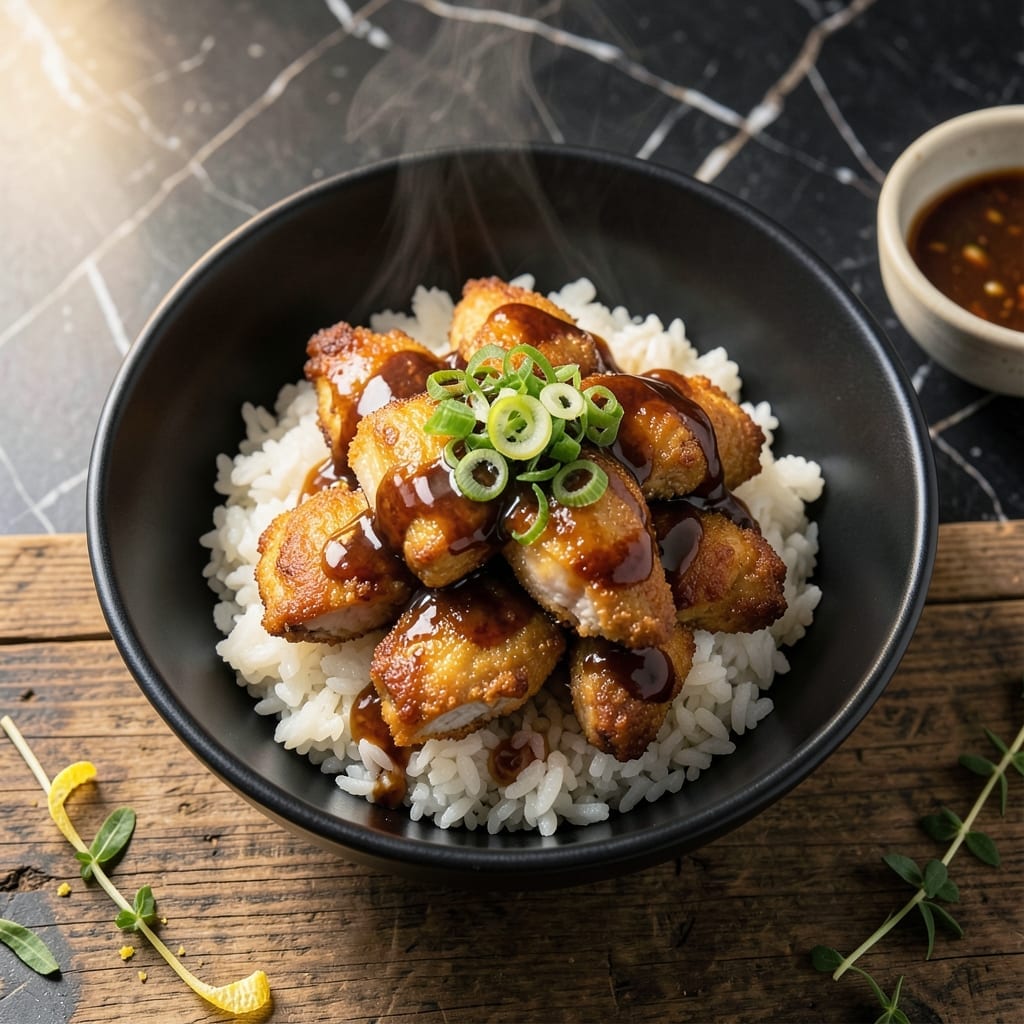
This recipe recreates the iconic Japanese KFC flavor right in your rice cooker, delivering that signature savory taste without deep frying. I developed this method after years of craving that particular blend of herbs and spices that makes Japanese KFC so distinctive.
The rice cooker does double duty here, first steaming the chicken to perfect tenderness before crisping the coating to golden perfection. The secret is in the marinade and breading, which together capture that familiar, addictive flavor profile.
What you get is juicy chicken with a crispy exterior that tastes just like the original. The rice cooker makes the process nearly foolproof, with minimal mess and maximum flavor.
Serve with steamed rice and shredded cabbage for the full experience. Here’s how to make this copycat version at home.
Ingredients for Japanese Kfc Rice Cooker
Pantry staples plus chicken meet rice cooker magic for that iconic savory crunch.
| Ingredient | Amount | Notes |
|---|---|---|
| Boneless Chicken Thighs 🍗 | 1 ½ lb | Skin-on or skinless, cut into bite-sized pieces |
| Soy Sauce 🫕 | ¼ cup | Japanese-style preferred for authenticity |
| Sake 🍶 | 2 tbsp | Dry variety, or substitute white wine |
| Garlic Cloves 🧄 | 3 cloves | Minced finely for marinade |
| Fresh Ginger 🌿 | 1 tbsp | Grated, for bright flavor |
| All-Purpose Flour 🌾 | ¾ cup | For initial dredging layer |
| Cornstarch 🌽 | ½ cup | Creates extra crispiness |
| Panko Breadcrumbs 🍞 | 1 cup | Japanese-style for authentic crunch |
| Ground Black Pepper 🌶️ | 1 tsp | Freshly cracked for best flavor |
| Paprika 🌶️ | 1 tsp | Sweet or smoked for color |
| Onion Powder 🧅 | 1 tsp | Essential for savory depth |
| Vegetable Oil 🫒 | ½ cup | For frying in rice cooker |
| Green Onions 🧅 | 2 whole | Sliced thin, for garnish |
The chicken is everything here—boneless thighs stay juicier than breasts during the rice cooker’s double-duty cooking. Japanese soy sauce (like Kikkoman) gives that authentic umami kick, but regular soy works in a pinch. For sake, check the Asian aisle or grab the cheapest bottle at H Mart. Fresh ginger and garlic are non-negotiable for the marinade (the jarred stuff lacks punch).
No sake? Dry white wine or even apple juice in a pinch—just skip the cooking wine with added salt. Swap panko for regular breadcrumbs if needed, but panko’s flaky texture is what gets you that KFC crunch. Fresh out of cornstarch? Instant mashed potato flakes work surprisingly well for crispiness. The paprika is mostly for color, so don’t stress if you’re out.
Marinate the chicken for at least 2 hours (overnight if you’re planning ahead). Leftovers keep 3-4 days in the fridge—reheat in the air fryer to revive the crunch. The breading mix? Store in a jar for 1 month (if you somehow have leftovers).
Why You’ll Love This Recipe
- One Pot Magic: I toss everything in the rice cooker and walk away—no babysitting, no mess.
- Umami Bomb: The soy-sake-ginger combo makes the chicken so juicy and packed with flavor, it’s ridiculous.
- Weeknight Hero: Between us, I’ve served this for dinner parties and lazy Tuesdays with equal success.
- Budget Friendly: Chicken thighs stay cheap, and a little sake goes a long way for maximum taste.
Step-by-Step Instructions for Japanese KFC-Style Rice Cooker Chicken
This method delivers that signature crispy, savory flavor right in your rice cooker.
Step 1: Marinate the Chicken for Maximum Flavor
Cut the 1.5 lb boneless chicken thighs into bite-sized pieces. In a bowl, whisk together the 0.25 cup soy sauce, 2 tbsp sake, minced 3 cloves garlic cloves, and grated 1 tbsp fresh ginger.
Add the chicken pieces to the marinade, ensuring they’re fully coated. Let it sit for 20-30 minutes at room temperature. This step infuses the meat with that authentic umami depth that makes this dish special.
Step 2: Create the Perfect Breading Station
Set up three shallow bowls. In the first, combine the 0.75 cup all-purpose flour, 1 tsp ground black pepper, 1 tsp paprika, and 1 tsp onion powder. In the second bowl, place the 0.5 cup cornstarch. In the third, put the 1 cup panko breadcrumbs.
This three-step breading process is key to achieving that extra-crispy texture. The flour base helps the coating adhere, the cornstarch adds lightness, and the panko gives that signature crunch we’re after.
Step 3: Bread Each Piece Thoroughly
Working with one piece at a time, dredge the marinated chicken in the flour mixture, shaking off any excess. Then dip it in the cornstarch, pressing gently to help it stick. Finally, roll it in the panko breadcrumbs until fully coated.
Place the breaded pieces on a plate and let them rest for 5 minutes. This helps the coating set before cooking. The pieces should look evenly coated with a slightly rough texture from the panko.
Step 4: Cook in the Rice Cooker
Pour the 0.5 cup vegetable oil into your rice cooker pot. Arrange the breaded chicken pieces in a single layer, leaving some space between each. Cook on the “Quick Cook” or “White Rice” setting for 10 minutes.
After 10 minutes, carefully flip each piece and cook for another 8-10 minutes until the chicken is golden brown and cooked through. The internal temperature should reach 165°F.
Step 5: Rest and Garnish
Transfer the cooked chicken to a paper towel-lined plate to drain excess oil. Let it rest for 2 minutes—this helps the coating crisp up even more.
Slice the 2 whole green onions thinly and sprinkle over the chicken just before serving. The green onions add a fresh contrast to the rich, crispy chicken. Serve immediately while hot and crispy.
Pro Tips For Making Japanese Kfc Rice Cooker
- Marinate Longer: Give the chicken at least 30 minutes in the soy-sake-garlic-ginger mix—I learned this the hard way when my first batch came out bland.
- Trim the Fat: Snip off excess fat from the thighs so the sauce clings to the meat instead of floating in grease.
- Skip the Overcrowding: Cook the chicken in batches if needed—steam builds up fast in a rice cooker, and soggy coating is the last thing you want.
- Use the Crisp Function: If your rice cooker has a crisp setting, finish the chicken there for 5-10 minutes to get that signature KFC crunch.
Health Benefits of This Recipe
Protein Powerhouse
Chicken thighs pack 25 grams of protein per 3-ounce serving, supporting muscle repair and growth. The rice cooker method preserves these nutrients better than deep frying, which can degrade some proteins at high temperatures. 💪
Healthier Cooking Method
Using a rice cooker with just 0.5 cup vegetable oil significantly reduces the fat content compared to traditional deep frying. This method cuts calories while still delivering that satisfying crispy texture we all love.
Rich in B Vitamins
Chicken thighs are loaded with B6 and B12, essential for energy metabolism and brain function. The marinade with soy sauce and sake adds extra B vitamins, making this dish a nutritional powerhouse.
Antioxidant Boost
Garlic and ginger in the marinade provide natural antioxidants. These compounds help combat oxidative stress in the body. The 1 tbsp fresh ginger alone delivers a significant portion of your daily antioxidant needs. ✨
Low-Carb Option
By skipping the typical breading heavy on all-purpose flour and using cornstarch and panko instead, you reduce the carb content. This makes the dish more suitable for those watching their carbohydrate intake.
Heart-Healthy Fats
While chicken thighs contain more fat than breasts, they provide mostly unsaturated fats. The rice cooker method helps render some fat during cooking, making this version lighter than traditional fried chicken.
Nutrition Facts
Frequently Asked Questions
Can I use chicken breast instead of thighs?
Yes, but thighs stay juicier. If using breasts, reduce cooking time by 2-3 minutes per side to prevent dryness. The flavor will be slightly milder too.
Why use both flour and cornstarch?
The flour helps the coating stick while cornstarch creates extra crispiness. This combo mimics the texture of traditional fried chicken without deep frying.
How do I know when it’s done?
The chicken should be golden brown and reach 165°F internally. If unsure, cut into the thickest piece—juices should run clear, not pink.
Can I make this without sake?
Substitute with dry white wine or even apple juice. Avoid cooking wine with added salt, as it can make the dish too salty.

- Indian Jasmine Rice Recipe: Fragrant Basmati-Free Elegance - October 19, 2026
- KFC Rizo Rice Recipe: Copycat Side Dish With Savory Spice Blend - October 19, 2026
- Jeerakasala Rice Recipe: Fragrant Cumin-Infused Kerala Delight - October 19, 2026