
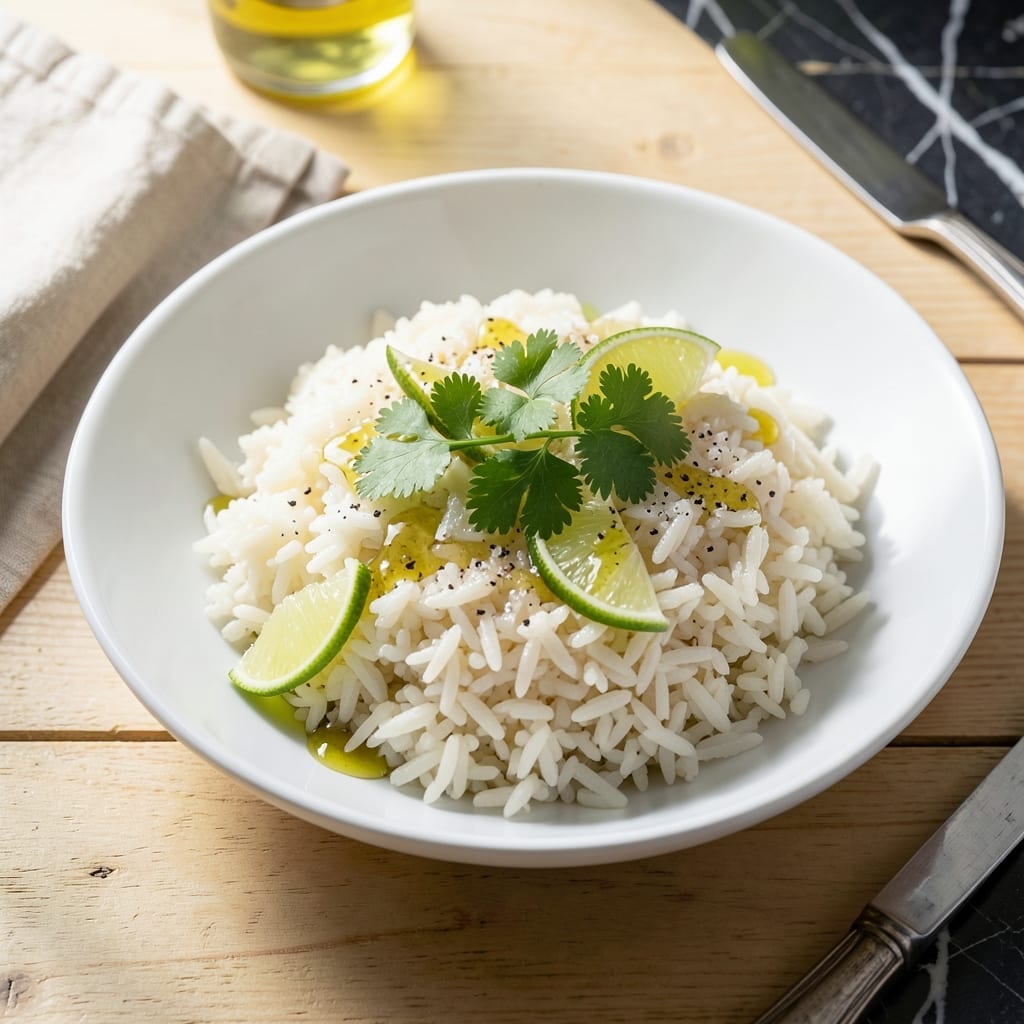
Perfect jasmine rice begins with the right water-to-rice balance, and I’ve tested countless ratios to find the foolproof method. This approach delivers fluffy, fragrant grains every time without fail.
The key is using a precise 1:1.5 ratio of rice to water by volume, which accounts for jasmine’s natural moisture content. A tight-fitting lid and consistent heat ensure even cooking without burning.
After 15 minutes of simmering and a 10-minute rest, you’ll have light, separate grains with no sticky residue. The result is rice that’s tender yet firm, ready to complement any meal.
This method works for any serving size, from a single portion to a family feast. Follow these steps for reliable results.
Ingredients for Jasmine Rice Recipe Ratio
Quality jasmine rice and water in perfect balance create this foolproof dish.
| Ingredient | Amount | Notes |
|---|---|---|
| Jasmine Rice 🌾 | 2 cups | Long-grain, rinsed thoroughly |
| Water 💧 | 3 cups | Filtered or spring preferred |
| Fine Sea Salt 🧂 | ½ tsp | Adjust to taste after cooking |
| Neutral Oil 🫒 | 1 tsp | Optional, for toasting rice |
| Fresh Lime 🍈 | 1 whole | Cut into wedges for serving |
| Fresh Cilantro 🌿 | ¼ cup | Chopped, for garnish |
| Garlic Cloves 🧄 | 2 cloves | Minced, optional for aroma |
| Scallions 🧅 | 2 whole | Thinly sliced for garnish |
The rice quality is paramount. Thai jasmine rice from brands like Elephant or Golden Phoenix delivers authentic fragrance and texture. Avoid pre-rinsed or instant varieties—unmilled rice with visible starch ensures the best results. Most Asian grocery stores carry premium options, but standard supermarket brands work in a pinch.
No jasmine rice? Basmatis at a 1:1.75 ratio works, though the texture differs. For extra aroma, toast the rice in neutral oil with minced garlic before adding water. The salt can be adjusted post-cooking, but use fine sea salt for even distribution. If garnishing, swap cilantro for parsley or basil based on preference.
Uncooked rice stores for 1-2 years in a cool, dry place. Once cooked, it keeps 4-5 days refrigerated. For longer storage, freeze portions for up to 6 months. Always rinse before cooking to remove excess starch and prevent clumping.
Why You’ll Love This Recipe
- One-Pot Wonder: I just toss jasmine rice, water, and a pinch of salt in a pot—no fancy steps, no stress.
- Bright & Zesty: The fresh lime at the end gives it this little pop that makes plain rice feel special.
- Meal Prep Hero: Pairs with curries, stir-fries, or even grilled chicken—honestly, it’s my weekly base.
- Budget Stretch: A pound of jasmine rice and a lime feed my family for days without breaking the bank.
Step-by-Step Instructions for Jasmine Rice
Master the perfect ratio and technique for consistently fluffy, fragrant jasmine rice every time.
Step 1: Rinse and Prepare the Rice
Place the 2 cups Jasmine Rice in a fine-mesh strainer and rinse under cold water until the water runs completely clear. This removes excess starch that would otherwise make the rice gummy. I find that swirling the rice with my hand while rinsing speeds up the process significantly.
After rinsing, let the rice drain for 2-3 minutes. Shake the strainer gently to remove any lingering water. This step ensures the grains stay separate and don’t clump together during cooking. The rice should look clean and smell fresh when properly rinsed.
Step 2: Toast the Rice for Enhanced Flavor
In a medium saucepan with a tight-fitting lid, heat the 1 tsp Neutral Oil over medium heat. Add the drained rice and stir constantly for 1-2 minutes until the grains appear slightly translucent at the edges and emit a nutty aroma. This toasting step is optional but highly recommended for deeper flavor.
If using, add the 2 cloves Garlic Cloves (minced) during the last 30 seconds of toasting. Be careful not to let the garlic burn—you want it fragrant, not bitter. The rice should be warm to the touch but not browned at this stage.
Step 3: Add Water and Salt
Pour in the 3 cups Water and add the 0.5 tsp Fine Sea Salt. Stir gently to distribute the rice evenly in the pan and dissolve the salt. The water should come to about ½ inch above the rice level when properly measured.
Bring the mixture to a rolling boil over medium-high heat. As it heats, you’ll see small bubbles forming around the edges first, then across the entire surface. This usually takes 3-4 minutes depending on your stove. Watch for the moment when the surface becomes foamy—that’s your signal it’s about to boil.
Step 4: Cook with Steam
Once boiling, immediately reduce the heat to low, cover the pan with its lid, and let it simmer undisturbed for 15 minutes. The steam trapped inside is what cooks the rice perfectly. Don’t be tempted to lift the lid during this time—releasing the steam can lead to uneven cooking.
After 15 minutes, turn off the heat but keep the pan covered. Let it sit for an additional 10 minutes. This resting period allows the rice to absorb any remaining moisture and finish cooking through the residual steam. The grains should be tender and the water completely absorbed.
Step 5: Fluff and Garnish
Remove the lid and use a fork to gently fluff the rice from the bottom up. This separates the grains and releases any excess steam. The rice should be light, fluffy, and have a subtle jasmine fragrance. If any grains stick to the bottom, don’t scrape them—they’ll release as you fluff.
Transfer to a serving bowl and garnish with the 0.25 cup Fresh Cilantro (chopped) and 2 whole Scallions (thinly sliced). Serve immediately with the 1 whole Fresh Lime cut into wedges on the side for squeezing over individual portions. The lime adds a bright contrast to the rich rice.
Pro Tips For Making Jasmine Rice Recipe Ratio
- Rinse the Rice: Always give jasmine rice a quick rinse under cold water until it runs clear—this removes excess starch and keeps the grains from turning gummy.
- Use the Right Ratio: Stick to a 1:1.5 rice-to-water ratio for perfect texture; I learned this the hard way after a few mushy batches.
- Let It Rest: Once cooked, turn off the heat and let it sit covered for 10 minutes—this guarantees fluffy, separate grains every time.
- Oil the Water: Add a teaspoon of neutral oil to the cooking water; sounds weird, but it works to prevent sticking and adds a subtle sheen.
Pro Cooking Tips for jasmine rice recipe ratio
Rinsing Technique
I always rinse jasmine rice until the water runs completely clear—usually 4-5 changes of water. Use your hand to gently agitate the grains, which removes surface starch that causes gummy texture. A fine-mesh strainer like OXO Good Grips prevents grains from slipping through. 💡
Water Measurement
For absolute precision, use the same cup to measure both rice and water. The 1:1.5 ratio works perfectly when measured by volume. If using a rice cooker, add water to the first knuckle joint above the rice level—that’s roughly 1.5x the rice volume.
Toasting the Rice
Toast the drained rice in neutral oil over medium heat for 1-2 minutes until nutty and fragrant. This step enhances the rice’s natural aroma. I use avocado oil for its high smoke point. Add minced garlic only in the last 30 seconds to avoid burning.
Steam Control
After bringing to a boil, immediately reduce to low heat and cover tightly. A heavy-bottomed pot like All-Clad distributes heat evenly. Never lift the lid during the 15-minute simmer—releasing steam disrupts the cooking process.
Resting Period
Turn off the heat and let the rice rest covered for 10 minutes. This allows the grains to absorb residual moisture and set properly. I’ve found this step is non-negotiable for achieving that perfect fluffy texture.
Fork Fluffing
Use a fork to gently fluff the rice from the bottom up. This separates the grains without crushing them. Avoid stirring, as it can make the rice mushy. Serve immediately for the best texture and aroma.
Nutrition Facts
Frequently Asked Questions
What happens if I don’t rinse the rice first?
Skipping the rinse leaves excess starch, making the rice gummy and sticky. Always rinse until the water runs clear to ensure fluffy, separate grains.
Can I use a different type of rice with this ratio?
No, jasmine rice requires a 1:1.5 ratio. For basmati, use 1:1.75 instead. Each variety absorbs water differently, so adjust accordingly for best results.
How do I fix undercooked rice?
Add 2-3 tablespoons of water, cover, and cook for another 5 minutes on low heat. Then let it rest for 10 minutes off the heat to finish cooking.
Why did my rice turn out mushy?
Mushy rice usually means too much water or stirring during cooking. Stick to the 1:1.5 ratio and avoid lifting the lid until it’s done.

- Mujadara Rice and Lentils Recipe: Earthy Spiced Lentils With Caramelized Onions - November 1, 2026
- Naija Fried Rice Recipe: Street-Style Spice With Veggie Crunch - November 1, 2026
- Mushy Rice Recipe: Fluffy Grains Transformed in Minutes - November 1, 2026