
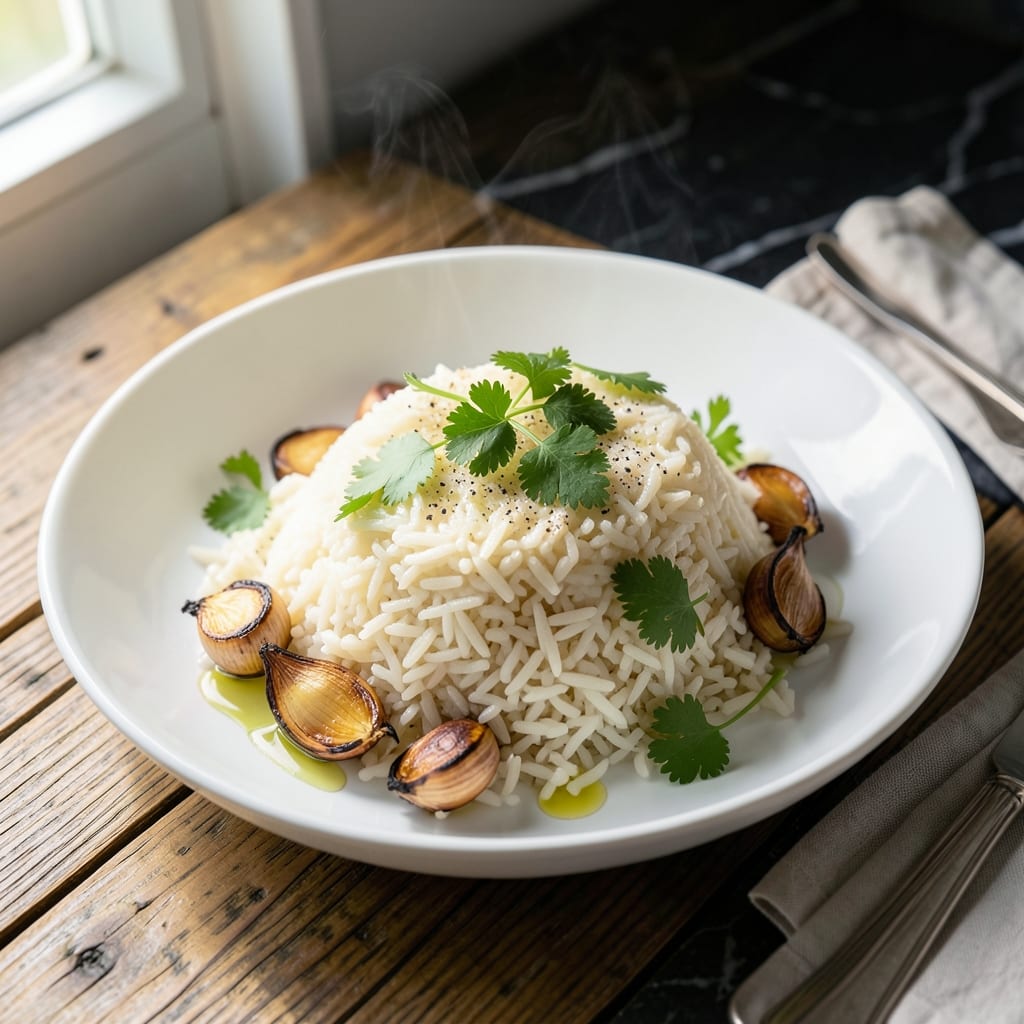
Mastering jasmine rice begins with the perfect water-to-rice ratio, and this method guarantees fluffy, separate grains every time. The 1:1.25 ratio is my go-to for stovetop cooking, producing rice that’s tender yet never mushy.
This stovetop method requires just 15 minutes of active cooking after a quick rinse. I always let the rice rest off heat for 10 minutes, which allows steam to finish the job naturally. The result is aromatic, perfectly cooked jasmine rice.
What sets this apart is the simplicity—no special equipment, just a pot with a tight lid. The rice absorbs all the water, leaving you with light, fragrant grains that pair with any dish. This vegan side is as versatile as it is delicious.
Whether serving with stir-fries or curries, these grains maintain their texture and flavor. Here’s how to achieve restaurant-quality results at home.
Ingredients for Jasmine Rice Recipe Water Ratio
Pantry staples plus a few fresh touches. Simple enough for weeknights.
| Ingredient | Amount | Notes |
|---|---|---|
| Jasmine Rice 🍚 | 2 cups | Rinsed until water runs clear |
| Water 💧 | 2 ½ cups | Filtered for best flavor |
| Salt 🧂 | ½ tsp | Fine sea salt preferred |
| Neutral Oil 🫒 | 1 tsp | Optional, for aroma |
| Garlic Cloves 🧄 | 2 cloves | Minced, optional for flavor |
| Fresh Cilantro 🌿 | ¼ cup | Chopped, for garnish |
| Lime 🍈 | 1 whole | Cut into wedges for serving |
| Green Onions 🧅 | 2 whole | Thinly sliced for topping |
The rice quality matters here. Look for Thai jasmine rice—brands like Elephant or Three Ladies are reliable. Rinse it well (3-4 times) until the water runs clear, which removes excess starch. I grab mine in bulk at Asian markets—cheaper and fresher than most grocery stores. The water ratio is non-negotiable: 1.25 cups water per 1 cup rice for that perfect texture.
No jasmine rice? Basmati works in a pinch but needs a bit less water (1:1 ratio). Skipping the rinse? Don’t—it prevents gummy grains. The salt can be adjusted to taste, but don’t omit it entirely. For extra flavor, toast the rice in the pot with oil and garlic before adding water (2 minutes on medium heat). Fresh herbs like cilantro or Thai basil make great garnishes too.
Cooked rice keeps 4-5 days in the fridge, though it’s best fresh. Store in an airtight container to prevent drying out. Reheat with a splash of water in the microwave (covered) or steam briefly on the stovetop. Freezes well for up to 3 months if you need to prep ahead.
Why You’ll Love This Recipe
- One-Pot Wonder: I just rinse, dump, and let it simmer—no babysitting, no fuss. The 1:1.25 rice-to-water ratio means it comes out fluffy every single time.
- Garlicky Perfection: That first bite with the golden, buttery garlic cloves? Ridiculously good. I’ll be real: I’ve eaten this plain straight from the pot.
- Meal Prep MVP: It pairs with literally everything—stir-fries, curries, or even a fried egg on top. Honestly, I make a big batch Sunday and eat it all week.
- Pennywise Staple: A pound of jasmine rice costs pocket change and stretches into four meals. Between us, this is the only thing keeping my grocery budget in check.
Step-by-Step Instructions for Jasmine Rice with Perfect Water Ratio
Master this simple technique and you’ll achieve light, fluffy grains that never stick together.
Step 1: Rinse the Rice Until Water Runs Clear
Place the 2 cups jasmine rice in a fine-mesh strainer and rinse under cold running water. I swirl the grains with my hand, watching as the water turns from milky white to transparent. This removes excess starch, which is what causes that dreaded gummy texture in finished rice.
Continue rinsing for 30-60 seconds beyond when you think it’s clean—the last traces of starch are stubborn. Give the strainer a few good shakes to remove all water. I’ve found this step alone transforms good rice into exceptional rice.
Step 2: Toast the Rice with Aromatics
In a medium saucepan with a tight-fitting lid, heat the 1 tsp neutral oil over medium heat. Add the 2 cloves minced garlic cloves and cook for 30 seconds until just fragrant—don’t let it brown. The oil should shimmer but not smoke.
Add the rinsed jasmine rice and stir constantly for 1-2 minutes. You’ll notice the grains become slightly translucent at the edges. This toasting step enhances the rice’s natural nuttiness and prevents it from absorbing too much water later, ensuring perfect texture.
Step 3: Cook with Precise Water Ratio
Pour in the 2.5 cups water and add the 0.5 tsp salt. Stir once to distribute the rice evenly, then level the surface with a spatula. Bring to a rolling boil over medium-high heat—you should see steady bubbles breaking the surface.
Once boiling, immediately reduce heat to low, cover with the lid, and simmer for 12-15 minutes. Resist the urge to peek during this time—every time you lift the lid, you release precious steam that’s crucial for even cooking. The water should be fully absorbed when done.
Step 4: Rest and Fluff for Maximum Fluffiness
Remove the pan from heat and let it sit, covered, for 10 minutes. This resting period allows the steam to finish cooking the rice gently and evenly. I set a timer for this—it’s just as important as the cooking time itself.
After resting, remove the lid and fluff the rice with a fork, separating any grains that might have stuck together. The rice should be tender with individual grains that are distinct yet cohesive. If there’s any water remaining (which shouldn’t happen with this ratio), simply return it to low heat for 1-2 minutes with the lid off.
Step 5: Garnish and Serve Immediately
Transfer the rice to a serving bowl. Top with the 0.25 cup chopped fresh cilantro and 2 thinly sliced green onions. The cilantro adds a bright, fresh contrast to the nutty rice, while the green onions provide a mild oniony bite.
Serve with the lime wedges on the side—squeezing a bit of juice over each serving just before eating brightens all the flavors. This rice pairs perfectly with any Asian-inspired dish or works as a base for stir-fries and curries. The texture should remain fluffy even as it cools slightly at the table.
Pro Tips For Making Jasmine Rice Recipe Water Ratio
- Rinse the Rice: I learned this the hard way—unrinsed jasmine rice turns gummy. Swirl it in a bowl of cold water until the water runs clear, then drain well before cooking.
- Use Less Water: After burning three batches, I finally figured out jasmine rice needs a 1:1.25 ratio (rice to water) for fluffy results—about 1 ¼ cups water per 1 cup rice.
- Rest Before Serving: Give it a solid 5-10 minutes off the heat with the lid on—yes, even if you’re impatient like me. This lets the steam redistribute for even texture.
- Toast the Garlic: Sounds weird, but it works: heat the neutral oil first, then sizzle the garlic cloves for 30 seconds before adding water. It adds a subtle depth that plain rice lacks.
Essential Equipment for Perfect Results
Rice Cooker Method
For hands-off cooking, I use my Zojirushi rice cooker—it takes the guesswork out of timing and temperature. Simply add 2 cups rinsed jasmine rice and 2.5 cups water, select the white rice setting, and let it work its magic. The cooker automatically switches to keep-warm mode when done. 💡
Stovetop Pot Essentials
A heavy-bottomed pot with a tight-fitting lid is crucial for even heat distribution. I swear by my 3-quart stainless steel saucepan from All-Clad—it conducts heat beautifully and the lid seals perfectly. Avoid nonstick for this, as the rice needs to toast slightly at the bottom.
Fine-Mesh Strainer
Rinsing is non-negotiable, and a fine-mesh strainer is the best tool for the job. I use a 12-inch diameter strainer from OXO—it fits over my sink perfectly and the small holes prevent any rice grains from slipping through. This ensures thorough rinsing without losing any precious grains.
Wooden Spoon or Rice Paddle
A wooden spoon or rice paddle is ideal for fluffing the cooked grains. I prefer the paddle for its flat surface, which separates the rice without crushing it. Bamboo is my material of choice—it’s gentle on cookware and won’t scratch your pot.
Kitchen Scale
For absolute precision with the water-to-rice ratio, I recommend a digital kitchen scale. My Escali Primo measures in 1-gram increments, which helps when scaling the recipe up or down. This is especially useful if you’re cooking larger batches.
Steamer Basket Option
If you prefer steaming, a bamboo steamer basket set over a pot of boiling water works well. Line the basket with cheesecloth to prevent rice from falling through. Steam for 20-25 minutes, checking water levels periodically. This method yields slightly stickier rice, which some prefer for sushi-style dishes.
Nutrition Facts
Frequently Asked Questions
Why does the water ratio matter for jasmine rice?
The precise 1:1.25 ratio ensures the rice absorbs just enough water to cook through without becoming mushy. Too much water makes it gummy; too little leaves it undercooked.
Can I use a rice cooker instead of stovetop?
Yes! Use the same 1:1.25 ratio in your rice cooker. Most models automatically adjust timing and temperature for perfect results every time.
What if my rice is still crunchy after cooking?
Add 2-3 tablespoons of water, cover, and cook on low for 5 more minutes. If it’s overcooked, fluff with a fork and spread on a tray to dry slightly.
Should I always rinse jasmine rice?
Yes, rinsing removes excess starch, preventing sticky or clumpy rice. Continue until the water runs clear for the best texture.

- Mujadara Rice and Lentils Recipe: Earthy Spiced Lentils With Caramelized Onions - November 1, 2026
- Naija Fried Rice Recipe: Street-Style Spice With Veggie Crunch - November 1, 2026
- Mushy Rice Recipe: Fluffy Grains Transformed in Minutes - November 1, 2026