
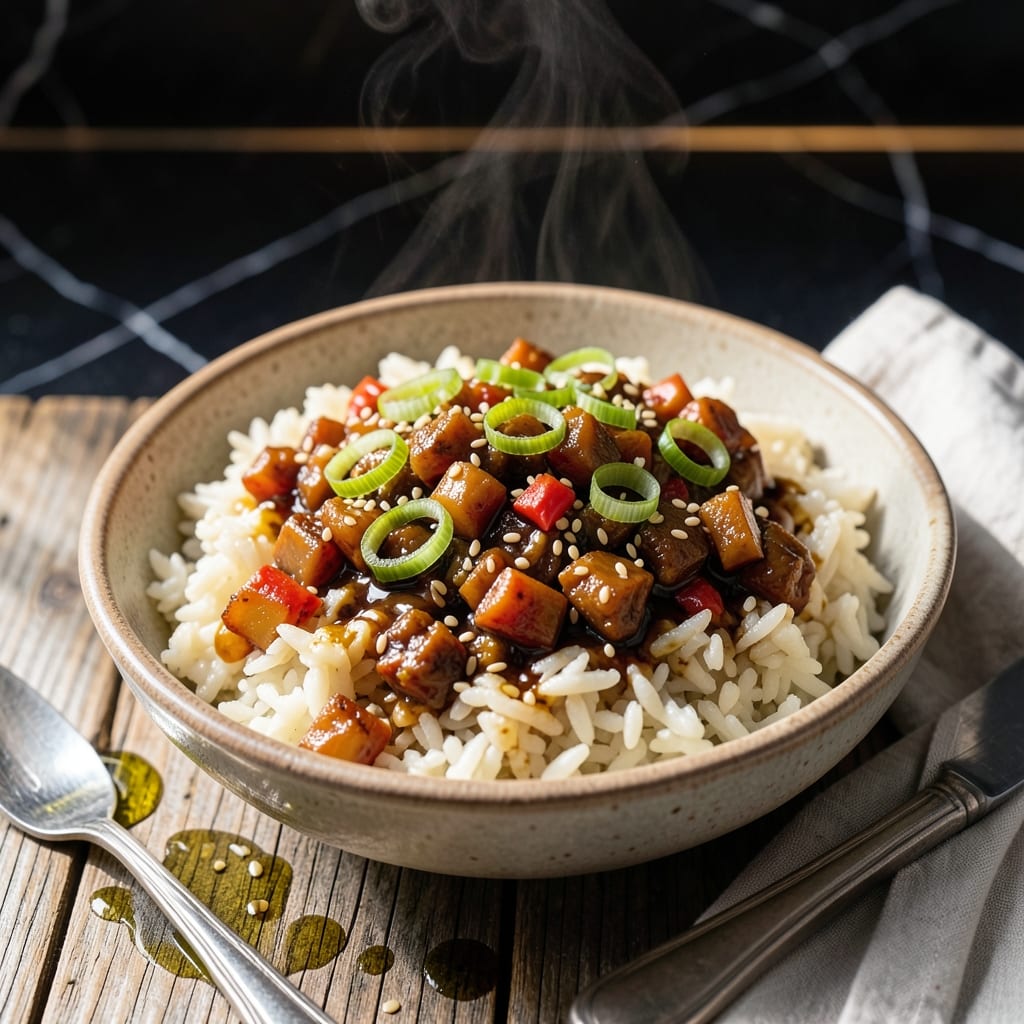
This vegan kimchi rice delivers bold, spicy flavor with minimal effort. The dish transforms simple ingredients into a complex, satisfying meal that’s ready in minutes.
The key is using plant-based kimchi and omitting traditional fish sauce, replacing it with soy sauce or coconut aminos for depth. This adaptation keeps the dish vegan while maintaining authentic taste.
You’ll get a balance of tangy, spicy, and umami notes in every bite. The rice absorbs the kimchi’s fermented richness, creating a dish that’s both comforting and exciting.
Serve it as a side or a main—either way, it’s a quick, flavorful addition to any meal.
Ingredients for Kimchi Rice Recipe Vegan
Transform simple rice and kimchi into a bold, plant-based meal with these ingredients.
| Ingredient | Amount | Notes |
|---|---|---|
| Vegan Kimchi 🥬 | 2 cups | Plant-based, finely chopped |
| Cooked Short-Grain Rice 🍚 | 4 cups | Day-old or chilled preferred |
| Soy Sauce 🫒 | 2 tbsp | Low-sodium or tamari for gluten-free |
| Coconut Aminos 🥥 | 1 tbsp | Optional for extra umami depth |
| Sesame Oil 🫒 | 1 tbsp | Toasted for best flavor |
| Vegetable Oil 🫒 | 1 tbsp | Neutral flavor, for cooking |
| Garlic Cloves 🧄 | 4 cloves | Minced for maximum flavor |
| Fresh Ginger 🌿 | 1 tbsp | Grated, peeled first |
| Green Onions 🧅 | 4 whole | Thinly sliced, white and green parts |
| Gochujang 🌶️ | 1 tbsp | Korean chili paste, optional for heat |
| Toasted Sesame Seeds 🌰 | 1 tsp | For garnish and crunch |
| Nori Flakes 🌊 | 1 tsp | Optional, for seafood-like umami |
| Red Pepper Flakes 🔥 | ½ tsp | Adjust to preferred spice level |
The kimchi is non-negotiable here—look for plant-based versions at Whole Foods or H Mart (many traditional kimchis contain fish sauce). Mother-in-Law’s or Sinto brands are reliable vegan options. For rice, short-grain varieties like Calrose or Japanese sushi rice absorb the kimchi’s tangy juices best. Use day-old rice for the ideal texture, as fresh rice can turn mushy.
Missing gochujang? Sriracha or gochugaru mixed with a touch of maple syrup works as a substitute. No coconut aminos? Double the soy sauce and add a pinch of sugar. The sesame oil is key for that nutty aroma (toasted is ideal), but if you’re out, a drizzle of avocado oil with a drop of toasted sesame extract can mimic the flavor.
Best eaten fresh but reheats well—store leftovers in an airtight container for up to 3 days. Freeze without the garnishes for up to 1 month. The kimchi’s fermentation continues over time, so the flavor deepens after a day in the fridge.
Why You’ll Love This Recipe
- One-Pan Wonder: I just dump vegan kimchi, rice, soy sauce, and coconut aminos in a pan, stir, and it’s done—no fancy steps.
- Umami Bomb: The combo of tangy kimchi, salty soy, and nutty sesame oil hits all the flavor notes at once.
- Weeknight Hero: Honestly, it’s my go-to when I need dinner in 15 minutes and zero brainpower.
- Budget Stretcher: I use leftover rice and a jar of kimchi, and it still tastes like a restaurant dish.
Step-by-Step Instructions for Vegan Kimchi Rice
This method transforms simple ingredients into a bold, spicy dish with layered flavors.
Step 1: Sauté Aromatics in Vegetable Oil
Heat 1 tablespoon vegetable oil in a large skillet or wok over medium-high heat. Add the 4 cloves minced garlic and 1 tablespoon grated fresh ginger, stirring constantly for 30-45 seconds until fragrant but not browned.
The oil should shimmer but not smoke when you add the aromatics. This quick sauté releases their essential oils, creating a deeply aromatic base for the dish. Be careful not to let the garlic burn—bitter garlic will ruin the flavor profile.
Immediately add the white parts of the 4 whole green onions and cook for another 30 seconds until slightly softened. The onions should just begin to turn translucent at the edges.
Step 2: Incorporate Kimchi and Seasonings
Add the 2 cups finely chopped vegan kimchi to the skillet, breaking up any large pieces with your spatula. Stir in the 2 tablespoons soy sauce, 1 tablespoon coconut aminos, 1 tablespoon gochujang, and 0.5 teaspoon red pepper flakes.
Cook for 3-4 minutes, stirring occasionally, until the kimchi softens and the liquid reduces slightly. The mixture should become glossy as the kimchi releases its juices and the gochujang melts into the sauce.
Taste and adjust seasoning if needed, remembering that the soy sauce and coconut aminos already contribute significant saltiness. The kimchi should maintain its vibrant red color with some caramelization at the edges.
Step 3: Combine with Rice and Finish
Add the 4 cups cooked short-grain rice to the skillet, breaking up any clumps with your spatula. The rice should be slightly cool or at room temperature—this prevents it from turning mushy as it absorbs the flavors.
Drizzle 1 tablespoon sesame oil over the rice and stir thoroughly to coat every grain. Cook for 2-3 minutes until the rice is heated through and begins to crisp slightly where it contacts the pan.
The finished dish should have a glossy sheen from the sesame oil, with the rice grains distinct but well-coated with the spicy-savory sauce. The kimchi pieces should be evenly distributed throughout.
Step 4: Garnish and Serve
Remove from heat and stir in the green parts of the green onions, reserving a pinch for garnish. Sprinkle with 1 teaspoon toasted sesame seeds and 1 teaspoon nori flakes if using.
Transfer to serving bowls and top with the reserved green onions. The dish should have a vibrant color contrast between the red kimchi, white rice, and green onions, with a visible sheen from the sesame oil.
Serve immediately while hot—the flavors meld beautifully when fresh, and the rice maintains its ideal texture. The dish should deliver a satisfying balance of heat, umami, and the slight tang of fermented kimchi in every bite.
Pro Tips For Making Kimchi Rice Recipe Vegan
- Drain the Kimchi: Squeeze out excess liquid from the vegan kimchi before cooking—about 30 seconds of pressing—to prevent a watery dish. I learned this the hard way after making kimchi soup instead of rice.
- Use Cold Rice: Start with day-old, refrigerated short-grain rice; the drier texture fries up better and soaks up the soy sauce and sesame oil more evenly.
- High Heat First: Crank the pan to medium-high heat initially to get a slight crisp on the rice, then drop to medium to finish cooking—about 4-5 minutes total.
- Finish with Sesame Oil: Drizzle the sesame oil at the very end, off the heat, so it keeps its nutty aroma instead of burning. Sounds weird, but it works.
Troubleshooting Perfect Results
Too Wet or Soggy
If your dish turns out mushy, you likely used freshly cooked rice. Day-old or chilled rice holds its shape better. Spread the rice on a tray for 10 minutes to dry slightly before cooking if needed. 💡
Not Spicy Enough
Add ½ teaspoon gochugaru or extra gochujang while cooking. Alternatively, stir in ¼ teaspoon cayenne pepper at the end. Taste as you go to avoid over-spicing.
Lacks Umami Depth
Boost flavor with 1 extra tablespoon coconut aminos or a dash of mushroom soy sauce. A pinch of nutritional yeast also adds that savory depth missing from plant-based versions.
Burnt Garlic or Ginger
Lower the heat to medium and stir constantly. If it happens, start fresh—bitter aromatics can’t be fixed. Use a light-colored pan to monitor browning better.
Uneven Kimchi Distribution
Chop the 2 cups kimchi finely and mix it into the rice thoroughly. Cook in batches if your pan is too small, combining everything at the end for even flavor.
Dry or Bland Rice
Drizzle 1 extra teaspoon sesame oil or a splash of vegetable broth while reheating. Finish with a squeeze of lime juice to brighten the flavors. 🌟
Nutrition Facts
Frequently Asked Questions
Can I use fresh rice instead of day-old?
Use fresh rice only if spread on a tray for 10 minutes to dry first. Day-old rice absorbs flavors better without turning mushy.
How do I make it less spicy?
Reduce or omit the gochujang and red pepper flakes. Add ½ teaspoon sugar to balance heat if needed.
What can replace coconut aminos?
Use an extra 1 tablespoon soy sauce plus ½ teaspoon maple syrup for sweetness. This maintains the umami depth.
Can I add protein to this dish?
Stir in 1 cup cubed tofu or 1 can drained chickpeas with the rice for extra texture.

- Mujadara Rice and Lentils Recipe: Earthy Spiced Lentils With Caramelized Onions - November 1, 2026
- Naija Fried Rice Recipe: Street-Style Spice With Veggie Crunch - November 1, 2026
- Mushy Rice Recipe: Fluffy Grains Transformed in Minutes - November 1, 2026