
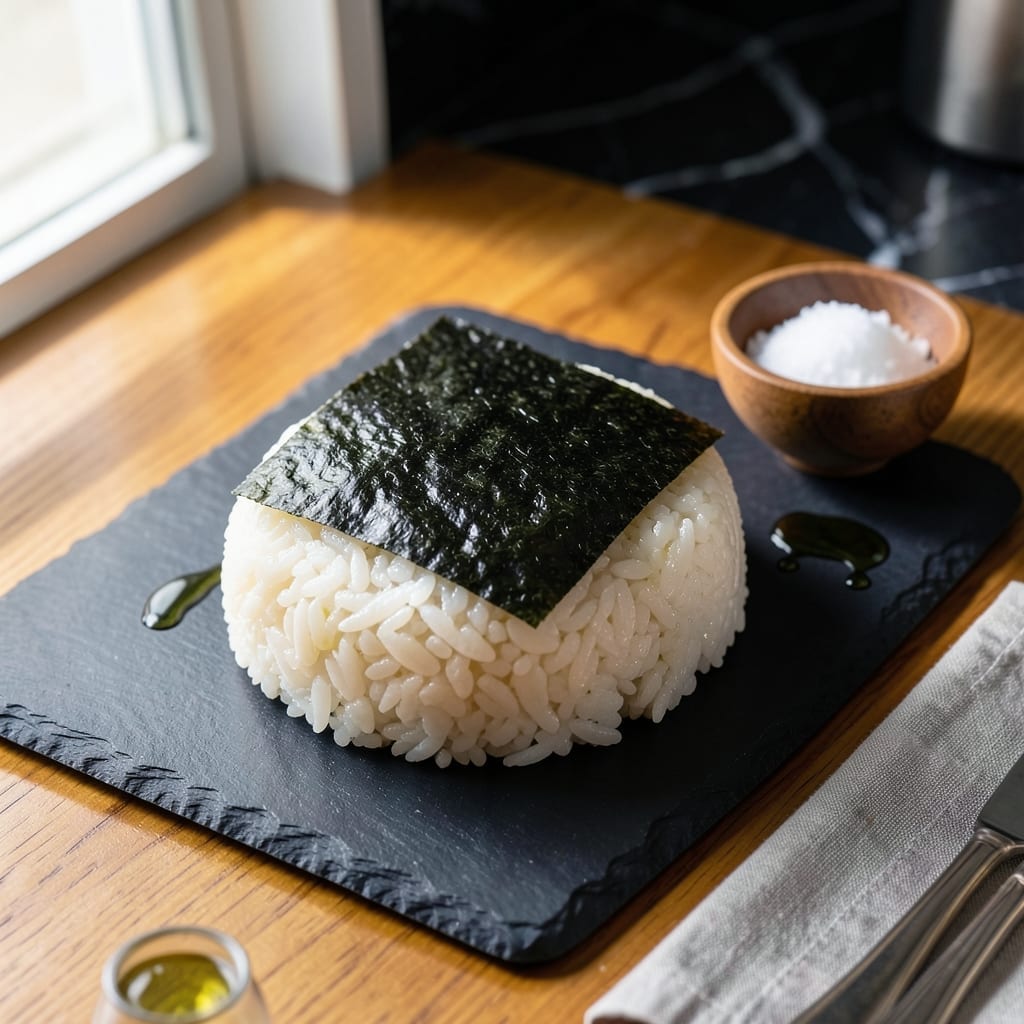
Mastering sushi rice begins with the right grain, and Kokuho Rose delivers perfect texture every time. This premium short grain variety absorbs seasoning beautifully while maintaining ideal stickiness for rolling.
The process requires precision: proper rinsing removes excess starch, while precise water ratios ensure fluffy yet cohesive grains. Seasoning with rice vinegar, sugar, and salt transforms plain rice into the foundation of authentic sushi.
You’ll achieve rice that’s slightly sweet, tangy, and sticky enough to hold its shape without being mushy. The result is restaurant-quality sushi rice ready for nigiri, rolls, or rice bowls.
This method guarantees consistent results whether you’re a beginner or experienced sushi maker. The key lies in the details of preparation and seasoning.
Ingredients for Kokuho Rose Sushi Rice
Premium short grain rice and precise seasoning create restaurant-quality sushi rice at home.
| Ingredient | Amount | Notes |
|---|---|---|
| Kokuho Rose Short Grain Rice 🍚 | 2 cups | Rinsed until water runs clear |
| Water 💧 | 2 ¼ cups | Filtered preferred for best texture |
| Rice Vinegar 🍶 | ½ cup | Seasoned or unseasoned both work |
| Granulated Sugar 🍚 | 2 tbsp | Dissolve completely in vinegar |
| Kosher Salt 🧂 | 1 ½ tsp | Diamond Crystal preferred for consistency |
| Sushi Nori Sheets 📜 | 4 sheets | Full-size for rolling or cutting |
| Fresh Sushi-Grade Salmon 🐟 | ½ lb | Sashimi-grade, skinless, diced |
| Persian Cucumbers 🥒 | 1 whole | Julienned for fillings |
| Avocado 🥑 | 1 whole | Ripe, thinly sliced |
| Pickled Ginger 🌸 | ¼ cup | For serving alongside |
| Wasabi Paste 🟢 | 2 tbsp | Adjust to spice preference |
| Soy Sauce 🫙 | ½ cup | Low-sodium for dipping |
| Sesame Seeds 🌰 | 1 tbsp | Toasted for garnish |
| Cooking Sake 🍶 | 1 tbsp | Optional for added depth |
| Mirin 🍶 | 1 tbsp | Optional for sweetness balance |
Kokuho Rose is non-negotiable here—Asian markets or Amazon carry it consistently. The rice must be rinsed thoroughly (until water runs clear) to remove excess starch, which would otherwise make the rice gummy. For water, filtered is ideal as tap water minerals can affect texture. The rice vinegar should be Japanese-style—Mizkan or Marukan are reliable brands. Diamond Crystal kosher salt is preferred for its clean flavor and consistent grain size.
No rice vinegar? Apple cider vinegar at half the amount in a pinch, but flavor will differ. For sugar, super-fine baker’s sugar dissolves faster. The salmon must be sushi-grade—ask your fishmonger or look for pre-packaged at Whole Foods. No nori? Seaweed snacks can work for small rolls. The cucumbers and avocado should be sliced thinly for even distribution.
Cooked rice holds at room temperature for 2 hours. Store leftovers in an airtight container in the fridge for up to 3 days—reheat gently with a damp towel to prevent drying. Freezing is not recommended as it alters the texture. Toast sesame seeds just before serving for maximum aroma.
Why You’ll Love This Recipe
- One Pot Wonder: I just rinse, cook, and mix—the rice does all the work while I prep the toppings.
- Sweet-Tangy Magic: The rice vinegar and sugar combo hits that ideal balance, bright and subtle all at once.
- Sushi Night Flex: Honestly, I use this base for rolls, bowls, or even as a side with grilled salmon.
- Keeps Like a Champ: Leftovers stay sticky and fresh for days, so I can make a big batch and forget about it.
Step-by-Step Instructions for Kokuho Rose Sushi Rice
Master the technique for consistently perfect sushi rice every time you make this dish.
Step 1: Rinse and Prepare the Kokuho Rose Short Grain Rice
Place the 2 cups Kokuho Rose Short Grain Rice in a fine-mesh strainer and rinse under cold water, swirling gently with your hand. Continue rinsing until the water runs completely clear—this removes excess starch that could make the rice gummy. I find this typically takes 4-5 rinses with fresh water each time.
After rinsing, let the rice drain in the strainer for 10 minutes to remove excess water. This step ensures the grains maintain their individual integrity when cooked. The rice should feel slightly gritty but not wet when you’re ready to cook it.
Step 2: Cook the Rice with Precise Water Ratio
Combine the drained rice with the 2.25 cups Water in a medium saucepan. For best results, use filtered water as specified in the ingredients. Cover with a tight-fitting lid and let it soak for 30 minutes before cooking—this hydration period is crucial for even cooking.
Bring to a boil over high heat, then immediately reduce to low heat and simmer for 15 minutes. Don’t lift the lid during cooking. After 15 minutes, remove from heat and let it steam, covered, for an additional 10 minutes. The rice should be tender with no hard center.
Step 3: Prepare the Seasoning Mixture
While the rice steams, combine the 0.5 cup Rice Vinegar, 2 tbsp Granulated Sugar, 1.5 tsp Kosher Salt, 1 tbsp Cooking Sake, and 1 tbsp Mirin in a small saucepan. Heat over medium-low heat just until the sugar dissolves completely—this should take 2-3 minutes.
Don’t let the mixture boil. Remove from heat and let it cool slightly. The vinegar should be warm but not hot when you add it to the rice. This temperature control prevents the rice from becoming mushy when you fold in the seasoning.
Step 4: Fold and Cool the Seasoned Rice
Transfer the cooked rice to a large wooden bowl or glass baking dish. Gently fold in the vinegar mixture using a cutting motion with a rice paddle or silicone spatula. Be careful not to mash the grains—you want to coat each one evenly while maintaining their shape.
As you fold, use a fan to cool the rice while you work, or have someone help by fanning it. This step gives the rice its characteristic glossy appearance. Continue until the rice reaches room temperature—this usually takes 5-8 minutes. The rice should be sticky but not clumpy, with a slight sheen from the vinegar mixture.
Cover the rice with a damp towel until ready to use. For best results, use within 2 hours of preparation, as the texture is ideal when fresh.
Pro Tips For Making Kokuho Rose Sushi Rice
- Rinse Thoroughly: Wash the Kokuho Rose rice in 3-4 changes of water until it runs nearly clear—this removes excess starch so your grains stay separate instead of gummy.
- Bloom the Vinegar: Dissolve the sugar and salt into the warm rice vinegar before mixing it into the rice; this prevents grainy bits of undissolved sugar in your finished sushi rice.
- Skip the Overmixing: I learned this the hard way—fold the vinegar mixture into the cooked rice gently with a wooden spoon just 10-12 times to avoid crushing the grains into mush.
- Use a Fan: After mixing, point a fan at the rice for 2-3 minutes while you fold it—this cools it quickly and gives that perfect glossy finish without sogginess.
Creative Variations of This Dish
Spicy Tuna Rolls
Mix 1 cup cooked Kokuho Rose rice with 2 tbsp sriracha and 1 tbsp mayo for a spicy kick. Add ½ lb diced sushi-grade tuna and roll in nori sheets with julienned cucumbers. The rice’s stickiness holds everything together perfectly. 🌶️
Vegetable Tempura Rolls
For a lighter option, use the seasoned rice as a base for tempura rolls. Fill with thinly sliced avocado, shredded carrots, and tempura-fried sweet potato. The rice’s slight sweetness complements the vegetables beautifully.
Sushi Bowls
Layer the rice in bowls and top with diced salmon, avocado slices, and cucumbers. Drizzle with soy sauce and wasabi mayo. Sprinkle with toasted sesame seeds for extra crunch.
Nigiri Sushi
Shape small portions of rice by hand, then top with thin slices of salmon. Brush with a touch of soy sauce and serve with pickled ginger. The rice’s texture is ideal for this classic presentation.
Futomaki Rolls
Create thick rolls with avocado, cucumber, and salmon in the center. The rice’s stickiness ensures the roll holds its shape when sliced. Serve with extra soy sauce for dipping.
Dragon Rolls
For a restaurant-style dish, make inside-out rolls with rice on the outside. Top with avocado slices and drizzle with eel sauce. The rice’s glossy finish makes these rolls visually stunning.
Nutrition Facts
Frequently Asked Questions
Why rinse the rice so thoroughly?
Rinsing removes excess starch that can make the rice gummy. Stop when the water runs completely clear, usually after 4-5 rinses. This ensures perfect texture for sushi.
Can I use a different vinegar?
Japanese rice vinegar is ideal, but in a pinch, use apple cider vinegar at half the amount. The flavor will differ slightly but still work.
How long can I store leftover rice?
Keep in an airtight container in the fridge for up to 3 days. Reheat gently with a damp towel to prevent drying. Freezing isn’t recommended.
What if my rice is too dry?
Spritz with a little water and fold gently. Cover with a damp towel for 5 minutes to restore moisture. Avoid adding more vinegar mixture.

- Mujadara Rice and Lentils Recipe: Earthy Spiced Lentils With Caramelized Onions - November 1, 2026
- Naija Fried Rice Recipe: Street-Style Spice With Veggie Crunch - November 1, 2026
- Mushy Rice Recipe: Fluffy Grains Transformed in Minutes - November 1, 2026