
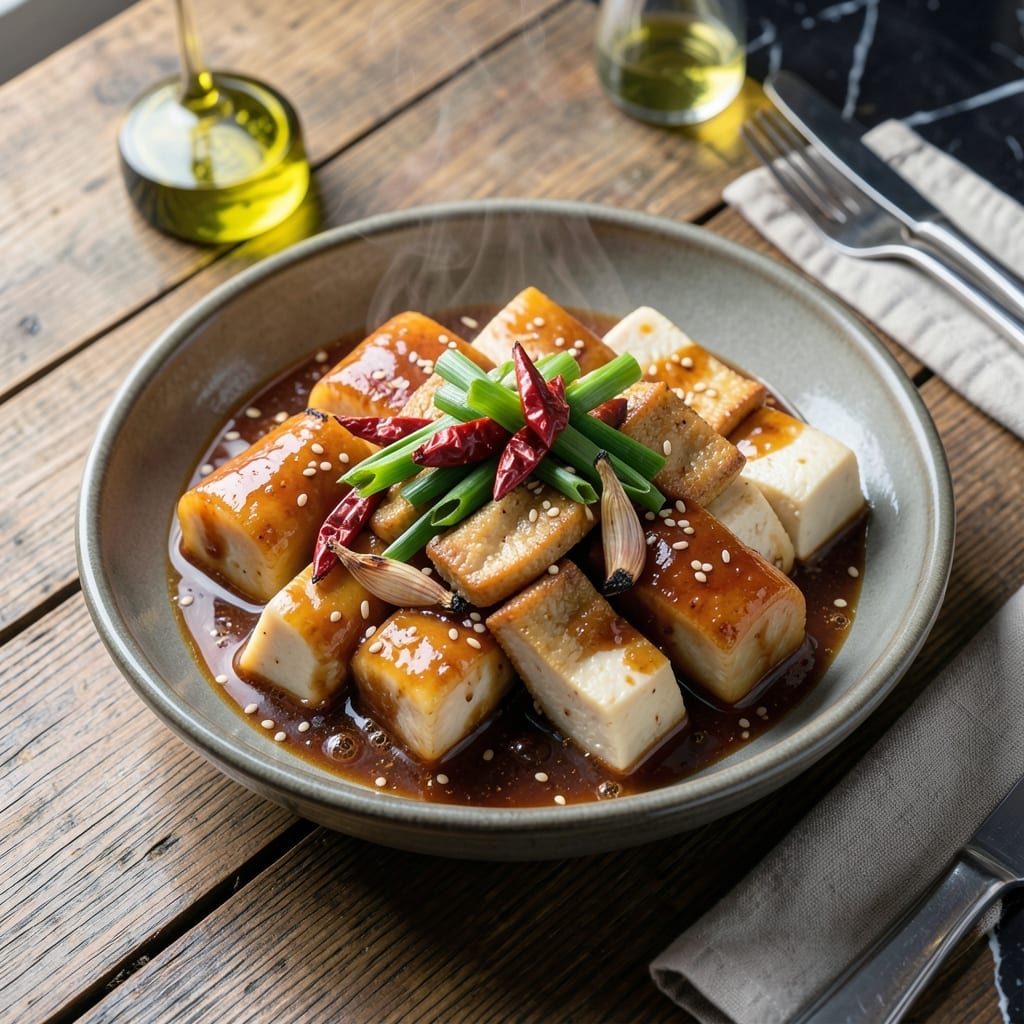
There’s a reason Korean rice cakes have taken the culinary world by storm—these chewy pillows soak up bold flavors like no other dish. This version delivers the perfect balance of sweet and spicy with a rich gochujang sauce that clings to every bite.
The secret lies in the sauce, where gochujang meets sugar, garlic, and soy for depth. I’ve refined this method to ensure the rice cakes stay tender while absorbing maximum flavor. It’s a foolproof way to achieve authentic taste at home.
In under 20 minutes, you’ll have a dish that’s both comforting and exciting. The rice cakes plump up as they cook, transforming into soft, slightly sticky morsels that pair perfectly with the glossy sauce.
Serve it as a main or side—this recipe adapts to any meal. The result is a dish that’s as satisfying as it is impressive.
Ingredients for Korean Spicy Rice Cake
These ingredients transform into chewy, saucy perfection in under twenty minutes flat.
| Ingredient | Amount | Notes |
|---|---|---|
| Korean Rice Cakes 🍙 | 1 lb | Cylindrical or flat, pre-soaked |
| Gochujang 🌶️ | ½ cup | Korean red pepper paste |
| Granulated Sugar 🍚 | 3 tbsp | Adjust to taste preference |
| Soy Sauce 🫒 | 3 tbsp | Low-sodium preferred for balance |
| Garlic Cloves 🧄 | 5 cloves | Minced for maximum flavor |
| Vegetable Broth 🥕 | 1 ½ cups | Low-sodium for controlled seasoning |
| Sesame Oil 🫒 | 1 tbsp | Toasted for nutty aroma |
| Rice Vinegar 🍋 | 1 tbsp | Balances sweet and spicy |
| Green Onions 🧅 | 4 whole | Thinly sliced for garnish |
| Sesame Seeds 🌾 | 1 tbsp | Toasted for garnish |
| Red Pepper Flakes 🌶️ | 1 tsp | Optional for extra heat |
| Corn Syrup 🧈 | 1 tbsp | Enhances glossy texture |
| Ginger Root 🌿 | 1 tbsp | Freshly grated for depth |
The rice cakes are everything here. Look for the cylindrical variety at Korean markets—they plump up beautifully. If using frozen, thaw completely and soak in warm water for 10 minutes before cooking. For gochujang, Sempio or CJ brands are reliable and widely available. The soy sauce should be low-sodium to let you control the saltiness without overpowering the sweet-spicy balance.
No gochujang? Miso paste plus sriracha can work in a pinch (use one-third the amount of each). Short on time? Pre-minced garlic from a jar is acceptable, but fresh has more punch. For extra depth, add 1 tsp of fish sauce substitute (vegan-friendly). The corn syrup is optional but gives that signature glossy finish—honey works too for non-vegans.
Store uncooked rice cakes in the freezer for up to 6 months. Once cooked, this dish keeps for 3 days in the fridge. Reheat with a splash of water to restore the sauce’s consistency. The sauce thickens as it cools, so thin it out as needed before serving.
Why You’ll Love This Recipe
- One Pot Wonder: I just dump the rice cakes, gochujang, and garlic into a pan with a splash of water—no fancy prep, no fuss.
- Addictive Heat: The gochujang and sugar balance that sweet-spicy kick that makes me sneak seconds straight from the pan.
- Feeds the Crowd: Honestly, it’s my go-to for potlucks because everyone—even picky eaters—ends up begging for the recipe.
- Budget Stretcher: A bag of rice cakes and a few pantry staples make a filling meal that costs less than takeout.
Step-by-Step Instructions for Korean Spicy Rice Cakes
Master the technique for perfectly sauced rice cakes with balanced sweetness and heat.
Step 1: Soak and Prepare the Rice Cakes
Begin by soaking the 1 lb Korean Rice Cakes in warm water for 10-15 minutes if they aren’t pre-soaked. This softens their texture and prevents a gummy center. Drain thoroughly in a colander and rinse briefly under cold water to remove excess starch.
While they drain, thinly slice the 4 whole Green Onions on a diagonal, keeping the white and green parts separate for layered flavor. Pat the rice cakes dry with a clean towel—they should feel slightly tacky but not dripping, which ensures the sauce clings properly.
Step 2: Build the Gochujang Sauce Base
In a large skillet or wok, heat the 1 tbsp Sesame Oil over medium heat until it shimmers. Add the minced 5 cloves Garlic Cloves and freshly grated 1 tbsp Ginger Root, stirring constantly for 30 seconds until fragrant but not browned.
Immediately add the 0.5 cup Gochujang, 3 tbsp Granulated Sugar, 3 tbsp Soy Sauce, 1 tbsp Corn Syrup, 1 tbsp Rice Vinegar, and 1 tsp Red Pepper Flakes. Stir vigorously to dissolve the sugar, creating a glossy, deep red sauce that coats the back of a spoon.
Step 3: Simmer and Thicken the Sauce
Pour in the 1.5 cups Vegetable Broth and bring the mixture to a gentle simmer. Reduce heat to medium-low and let it cook for 5-7 minutes, stirring occasionally, until the sauce thickens slightly and the raw edge of the garlic dissipates.
Taste and adjust seasoning—if it’s too sharp, the sugar will mellow as it reduces; if it’s too sweet, the vinegar will balance it. The sauce should be vibrant and aromatic, with a consistency that’s thin enough to coat but thick enough to cling to the rice cakes.
Step 4: Cook the Rice Cakes to Perfection
Add the drained rice cakes to the skillet, gently folding them into the sauce to coat evenly. Increase heat to medium-high and cook for 8-10 minutes, stirring occasionally, until the rice cakes absorb the sauce and plump up significantly.
Watch for the sauce to transform from a liquid to a glossy, syrupy consistency that clings to each piece. The rice cakes should be tender but still chewy, with a slight resistance when bitten. If the sauce reduces too quickly, add a splash of water to prevent sticking.
Step 5: Finish and Garnish
Remove from heat and fold in the sliced white parts of the green onions, reserving the tops for garnish. Let the dish sit for 2 minutes to allow the flavors to meld. The rice cakes will continue to absorb the sauce, becoming even more flavorful.
Transfer to a serving dish and sprinkle with the reserved green onion tops and 1 tbsp Sesame Seeds. Serve immediately while hot—the sauce will thicken further as it cools, so timing is key for the ideal texture.
Pro Tips For Making Korean Spicy Rice Cake
- Soak the Rice Cakes: If using dried rice cakes, soak them in warm water for 15-20 minutes first—I learned this the hard way after biting into rubbery chunks more than once.
- Bloom the Gochujang: Cook the gochujang with a little oil for 1-2 minutes before adding liquids; it deepens the flavor and removes that raw paste taste.
- Skip the Overcooking: Once the rice cakes are soft and the sauce has thickened, pull it off the heat—leaving them in too long turns them mushy, and nobody wants that.
- Add Sugar Gradually: Sprinkle in the granulated sugar slowly while stirring; it dissolves better and prevents that awkward grainy texture in your sauce.
Regional Styles of This Dish
Seoul Street Style
In bustling Seoul markets, vendors serve this dish with extra fish cakes and boiled eggs swimming in the sauce. The addition of 1 cup of sliced fish cakes and 2 boiled eggs makes it heartier. I love the extra texture contrast. 🌟
Busan Spicy Version
Southern Korea prefers it hotter. Add 1 extra tbsp gochujang and ½ tsp gochugaru (Korean chili flakes) for Busan-style fire. The sauce becomes deeper red and more intense. I always keep CJ gochugaru on hand for this.
Jeonju Royal Style
This regal variation adds ½ cup sliced mushrooms and ¼ cup zucchini for elegance. The vegetables soak up the sauce beautifully. I use shiitake mushrooms for their meaty texture.
Gwangju Sweet Version
Western Korea leans sweeter. Increase sugar to 5 tbsp and add 2 tbsp honey for Gwangju’s signature taste. The gloss becomes even more luxurious. I find this version especially kid-friendly.
Vegetable-Heavy Style
Add 1 cup cabbage and ½ cup carrots for a veggie-packed version. The crunch contrasts perfectly with the soft rice cakes. I julienne the carrots for even cooking.
Quick Weeknight Style
Use pre-cooked rice cakes (from Asian grocery freezer sections) to cut soaking time. Just thaw and rinse. The texture remains excellent. I always keep a bag in my freezer for emergencies. ⚡
Nutrition Facts
Frequently Asked Questions
What if my rice cakes are rock hard?
Soak them in warm water for 15-20 minutes before cooking. This softens their texture and prevents gummy centers. If using frozen, thaw completely first.
Can I make this less spicy?
Yes! Reduce gochujang to ¼ cup and skip the red pepper flakes. Balance the flavor with an extra 1 tbsp sugar and 1 tsp soy sauce.
Why did my sauce turn out watery?
Simmer it uncovered for 3-5 extra minutes on medium-high heat to reduce. Add 1 tsp cornstarch slurry if needed. The sauce thickens as it cools too.

- Jollof Rice Sauce Recipe: West African Tomato and Spice Infusion - September 25, 2026
- Japanese Rice Soup Recipe: Umami-Rich Comfort in a Bowl - September 25, 2026
- Homemade Cream Of Rice Recipe: Silk-Smooth Breakfast in Minutes - September 25, 2026