
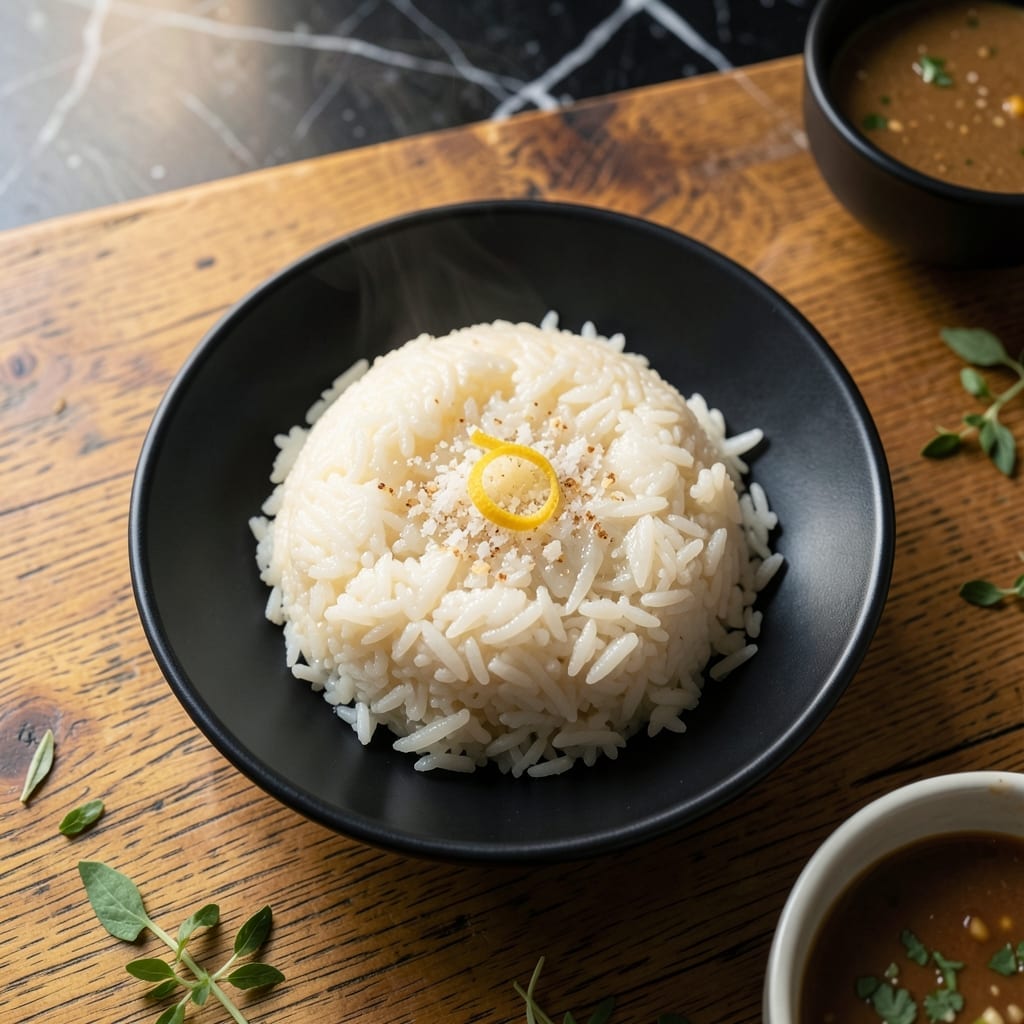
Achieving perfect pearl-like texture with long grain sticky rice requires just the right balance of soaking and steaming. This proven method delivers consistent results every time without special equipment.
The key is pre-soaking the rice for at least 4 hours, which softens the grains to absorb moisture evenly. A simple steaming process then transforms them into tender, slightly chewy pearls that cling together just enough.
What emerges is sticky rice with distinct grains that hold their shape while offering that signature slight resistance. The texture is ideal for pairing with savory dishes or enjoying on its own.
This technique works with standard long grain varieties and requires only 30 minutes of active cooking time. Here’s how to master it at home.
Ingredients for Long Grain Sticky Rice
Just three ingredients transform into perfectly textured sticky rice with this method.
| Ingredient | Amount | Notes |
|---|---|---|
| Long Grain White Rice 🌾 | 2 cups | Jasmine or standard variety |
| Water 💧 | 3 cups | For soaking and steaming |
| Salt 🧂 | ½ tsp | Optional, for seasoning |
The rice quality matters here. Jasmine long grain is ideal for that signature pearl-like texture, but any standard long grain variety works. Look for unbroken grains with minimal chalkiness—brands like Nishiki or Koshihikari are reliable. Avoid pre-cooked or parboiled rice, as they won’t absorb moisture the same way. Most Asian markets have the best selection if you want to explore specialty varieties.
No jasmine on hand? Regular long grain white rice will still work, though the texture may be slightly less sticky. For a nuttier flavor, try basmati (soak for 6 hours instead of 4). The water ratio is flexible—add an extra ¼ cup if your rice tends to dry out. Skip the salt entirely if pairing with strongly seasoned dishes.
Uncooked rice keeps in a sealed container for 1-2 years in a cool, dry place. Once cooked, sticky rice stays fresh in the fridge for 4-5 days. Reheat with a splash of water and a quick steam to restore texture. Never store cooked rice at room temperature for more than 2 hours.
Why You’ll Love This Recipe
- One Pot Wonder: I love that it only needs rice, water, and salt—no fancy ingredients or complicated steps.
- Crave-Worthy Texture: That slightly chewy, clump-together stickiness is exactly what I want with stir-fries or grilled meats.
- Meal Prep Hero: I make a big batch on Sunday and it reheats beautifully for quick lunches all week.
- Budget-Friendly Staple: A pound of long grain rice stretches into multiple meals, and honestly, it costs pennies per serving.
Step-by-Step Instructions for Long Grain Sticky Rice
Here is the proven method to achieve perfectly tender, pearl-like sticky rice with minimal hands-on time.
Step 1: Rinse the Rice Thoroughly
Place the 2 cups Long Grain White Rice in a fine-mesh strainer and rinse under cold running water. I rinse until the water runs completely clear—this removes excess starch that could make the rice gummy rather than pleasantly sticky.
Rinsing also prevents the grains from clumping together during cooking. For best results, agitate the rice gently with your fingers while rinsing to ensure all grains get equal exposure to the water. This step takes about 2-3 minutes and is absolutely essential.
Step 2: Soak the Rice for Optimal Texture
Transfer the rinsed rice to a medium bowl and add enough of the 3 cups Water to cover the rice by about 1 inch. Let it soak at room temperature for 30 minutes. This soaking period allows each grain to absorb moisture evenly, which is the secret to achieving that ideal sticky yet separate texture.
After 30 minutes, you’ll notice the rice grains have plumped slightly and the water may have turned slightly cloudy. Drain the rice completely using the same fine-mesh strainer—you want no excess water clinging to the grains before cooking.
Step 3: Steam the Rice to Perfection
In a medium saucepan with a tight-fitting lid, combine the drained rice with the remaining 3 cups Water and the 0.5 tsp Salt (if using). Bring to a full boil over high heat, then immediately reduce the heat to the lowest setting, cover, and let it simmer undisturbed for 15 minutes.
Resist the urge to lift the lid during cooking—releasing steam can cause uneven cooking and result in some grains being undercooked while others become mushy. After 15 minutes, turn off the heat and let it sit, covered, for an additional 10 minutes. This resting period allows the rice to steam in its own moisture, finishing the cooking process gently.
Step 4: Fluff and Serve Immediately
After the resting period, remove the lid and use a fork to gently fluff the rice from the bottom to the top. This separates the grains and releases excess steam, preventing condensation that could make the rice soggy.
The rice should be tender but not mushy, with each grain maintaining its individual shape while sticking slightly to its neighbors. Serve immediately while hot—the texture is at its peak when fresh from the pot. If you need to hold it, keep it covered and warm for up to 30 minutes before serving.
Pro Tips For Making Long Grain Sticky Rice
- Soak the Rice: I learned this the hard way—soaking the long grain rice for at least 30 minutes before cooking guarantees even cooking and that perfect sticky texture.
- Use Less Water: Sounds weird, but it works: cut the water by about 10% from your usual ratio to keep the grains distinct yet sticky.
- Skip the Stirring: After adding the rice to boiling water, resist the urge to stir—it breaks the grains and turns your rice mushy instead of sticky.
- Rest Covered: Once cooked, turn off the heat and let it sit covered for 10 minutes—this steams the rice just enough to finish the job without drying it out.
Storing and Reheating This Recipe
Refrigerator Storage
Let your rice cool completely before transferring to an airtight container. I use glass containers with snap-tight lids. Store in the fridge at 40°F or below for up to 4-5 days. The texture improves overnight as the grains reabsorb moisture. ❄️
Freezer Storage
For longer storage, portion the rice into freezer-safe bags, removing as much air as possible. It freezes well for up to 3 months without significant texture loss. I recommend quart-size bags for individual servings. Label with the date to track freshness.
Stovetop Reheating
My preferred method uses a splash of water and gentle heat. Add the rice to a saucepan with 2 tbsp water per cup of rice. Cover and heat over low-medium heat for 5-7 minutes, stirring occasionally to prevent sticking. This restores the pearl-like texture beautifully. 🔥
Microwave Reheating
For quick servings, place rice in a microwave-safe dish with 1 tbsp water per cup. Cover with a damp paper towel and heat on 70% power for 1-2 minutes, then stir and repeat until hot. This prevents drying while reheating evenly.
Reviving Texture
If your stored rice seems dry, add a bit of water and steam for 3-4 minutes. For frozen rice, thaw overnight in the fridge before reheating. I often add a pat of butter or a drizzle of sesame oil when reheating for extra flavor.
Nutrition Facts
Frequently Asked Questions
Why rinse the rice before cooking?
Rinsing removes excess starch that could make the rice gummy. It ensures each grain cooks evenly and maintains its distinct shape while still sticking slightly.
Can I skip the soaking step?
Skipping soaking may result in uneven cooking and harder grains. The 30-minute soak allows the rice to absorb moisture evenly for that perfect texture.
How do I prevent mushy rice?
Avoid lifting the lid while cooking and don’t over-stir. Use the exact 1:1.5 rice-to-water ratio and let it rest covered after cooking.
What if my rice is undercooked?
Add 2-3 tbsp water, cover, and steam for an additional 5 minutes. If still firm, repeat until tender. Never add too much water at once.

- Lump Rice Recipe Sri Lanka: Traditional Island-Style Texture - November 4, 2026
- Laos Sticky Rice Recipe: Traditional Steamed Perfection - November 4, 2026
- Magic Rice Recipe: One-Pot Aromatic Wonder - November 4, 2026