
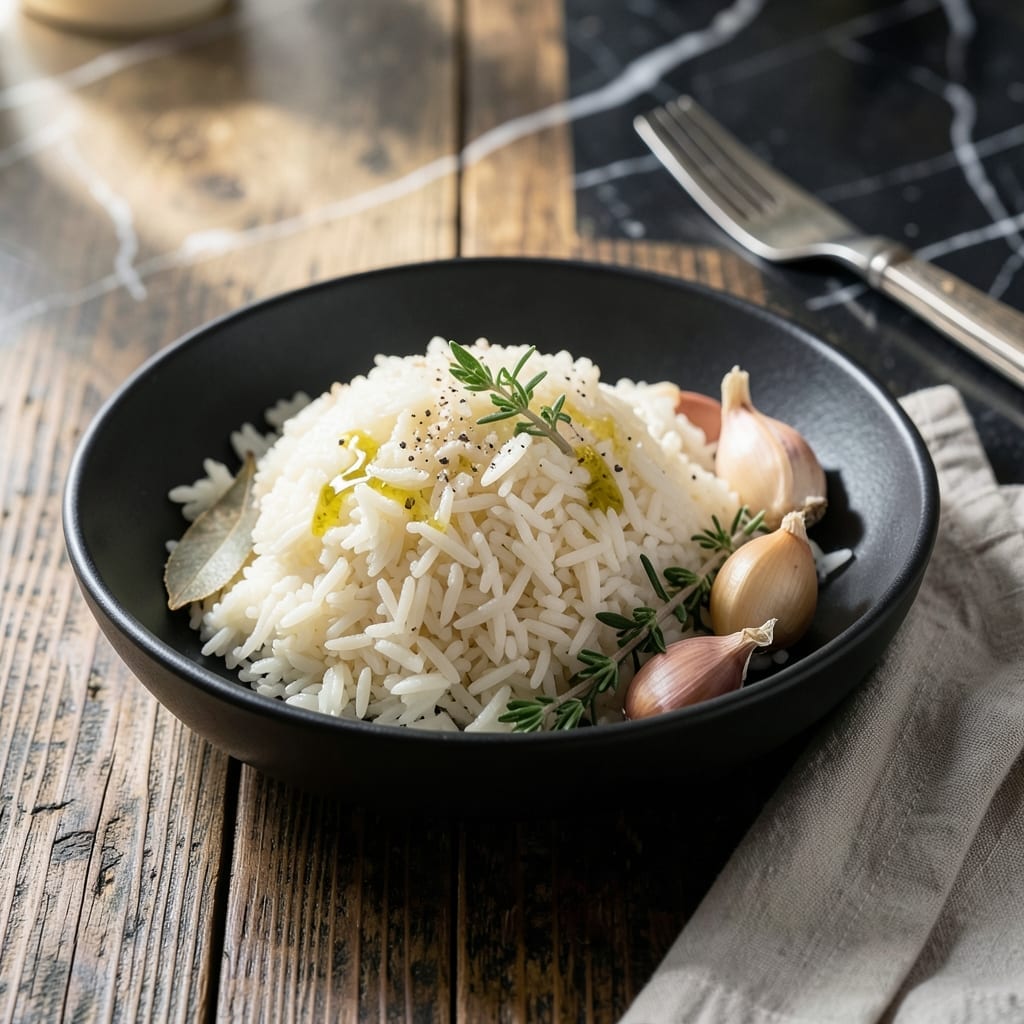
Mastering long grain white rice is simpler than you think. This method delivers perfectly fluffy grains every time with a precise water-to-rice ratio and controlled cooking.
The key is using the right proportion—typically 1 ½ cups water per 1 cup rice—and letting it steam undisturbed after boiling. This ensures even cooking without mushiness.
No special equipment is needed, just a pot with a tight-fitting lid. The result is light, separate grains that complement any main dish.
Once you try this foolproof approach, you’ll never settle for less than perfectly cooked rice again.
Ingredients for Long Grain White Rice
Simple pantry staples transform into perfectly fluffy rice with this foolproof method.
| Ingredient | Amount | Notes |
|---|---|---|
| Long Grain White Rice 🌾 | 2 cups | Rinsed until water runs clear |
| Water 💧 | 3 cups | Filtered or tap, room temperature |
| Kosher Salt 🧂 | 1 tsp | Diamond Crystal preferred for even seasoning |
| Extra-Virgin Olive Oil 🫒 | 1 tbsp | Optional for richness, or use neutral oil |
| Bay Leaf 🍃 | 1 whole | Optional for subtle aromatic depth |
| Garlic Cloves 🧄 | 2 cloves | Smashed but left whole |
| Fresh Parsley 🌿 | 2 tbsp | Finely chopped, for garnish |
| Lemon Zest 🍋 | 1 tsp | Optional for bright finish |
| Black Pepper 🌶️ | ¼ tsp | Freshly ground for best flavor |
| Vegetable Broth 🥕 | 1 cup | Low-sodium, optional for extra flavor |
The rice itself is the star here. Jasmine or basmati long grain work beautifully—avoid instant or minute rice, which turns mushy. I always grab Carolina or Mahatma brands from the regular grocery aisle (the good stuff, not the pre-cooked kind). Rinse it well until the water runs clear—this removes excess starch and prevents clumping. A tight-fitting lid is non-negotiable for proper steaming.
No long grain white rice? Brown rice at 2 cups water per 1 cup rice works, but it’ll take longer and won’t be as light. Skip the bay leaf if you don’t have it, but the garlic adds a subtle depth worth keeping. For extra flavor, swap water for all vegetable broth. The olive oil is optional but adds a nice richness—use a neutral oil if you prefer a cleaner taste.
Uncooked rice keeps in a sealed container for 2 years in the pantry. Leftovers stay fresh for 4-5 days in the fridge, or freeze for 6 months. Reheat with a splash of water to restore moisture (worth the extra minute).
Why You’ll Love This Recipe
- Set It and Forget It: I just rinse the rice, add water and a bay leaf, then let the pot do the work.
- Buttery, Fluffy Grains: The olive oil gives it a subtle richness, and the salt brings out that perfect rice flavor.
- Pairs With Anything: It’s my base for stir-fries, beans, or just a pat of butter on busy nights.
- Stretches for Days: One batch feeds us twice—leftovers reheat like a dream for lunches.
Step-by-Step Instructions for Long Grain White Rice
This method guarantees light, separate grains every time with minimal effort.
Step 1: Rinse and Prepare the Rice
Place the 2 cups Long Grain White Rice in a fine-mesh strainer and rinse under cold water until the water runs completely clear. I always rub the grains gently between my fingers to remove excess starch—this is what prevents clumping.
Drain well and transfer to a medium saucepan. I’ve found that using the right rice-to-liquid ratio is crucial, so measure carefully here. This step takes less than 2 minutes but makes all the difference in texture.
Step 2: Toast the Aromatics and Rice
Heat the 1 tbsp Extra-Virgin Olive Oil in the saucepan over medium heat. Add the 2 cloves Garlic Cloves (smashed but left whole) and the 1 whole Bay Leaf, stirring for 30 seconds until fragrant. The garlic should just begin to turn golden at the edges.
Add the rinsed rice and toast for 2-3 minutes, stirring frequently, until the grains become slightly translucent and smell nutty. Watch closely—the rice can burn if left unattended. This toasting step enhances the grain’s natural flavor.
Step 3: Add Liquids and Seasonings
Pour in the 3 cups Water and 1 cup Vegetable Broth, then add the 1 tsp Kosher Salt and 0.25 tsp Black Pepper. Stir well to combine, making sure to scrape up any browned bits from the bottom of the pan—this adds depth to your rice.
Increase heat to high and bring to a rolling boil. You’ll see bubbles vigorously breaking the surface. Once boiling, immediately reduce heat to low, cover with a tight-fitting lid, and prepare for the cooking phase.
Step 4: Cook and Rest for Perfect Texture
Let the rice simmer undisturbed for 15-18 minutes. Don’t peek—I know it’s tempting, but lifting the lid releases steam and can make the rice cook unevenly. The liquid should be fully absorbed and the grains tender when done.
Turn off the heat and let the rice rest, covered, for 10 minutes. This final step allows the grains to steam in their own moisture, ensuring they’re light and fluffy. The rice should pull away slightly from the sides of the pan when ready.
Step 5: Fluff and Garnish for Serving
Remove the bay leaf and garlic cloves, then gently fluff the rice with a fork. I always lift from the bottom to separate the grains without crushing them. The texture should be light and airy, with each grain distinct.
Sprinkle with the 2 tbsp Fresh Parsley and 1 tsp Lemon Zest if using. These final touches add a bright, fresh contrast to the rich, nutty rice. Serve immediately while hot and fluffy.
Pro Tips For Making Long Grain White Rice
- Rinse the Rice: Always rinse your long grain white rice until the water runs clear—I learned this the hard way after ending up with gummy rice more times than I’d like to admit.
- Use the Right Ratio: Stick to a 1:2 rice-to-water ratio (1 cup rice to 2 cups water) for perfect texture every time; anything more and you’ll get mush.
- Salt the Water: Add ½ teaspoon kosher salt per cup of water—sounds simple, but it actually changes the outcome from bland to flavorful.
- Let It Steam: Once the water’s absorbed, turn off the heat, cover, and let it sit for 10 minutes—this guarantees fluffy, separate grains without stirring.
Common Mistakes When Making This Recipe
Skipping the Rinse
I see many people skip rinsing the rice to save time, but this leaves excess starch that turns your grains gummy. Always rinse until water runs clear—this takes 1-2 minutes but prevents clumping. A fine-mesh strainer works best for this. 💡
Wrong Water Ratio
Using too much water makes rice mushy, while too little leaves it crunchy. Stick to 1 ½ cups liquid per 1 cup rice for perfect texture. I measure carefully every time—eyeballing often leads to disappointment.
Lifting the Lid
Resist the urge to peek while cooking. Each time you lift the lid, you release steam that’s crucial for even cooking. Let it simmer undisturbed for the full 15-18 minutes. Trust the process—your patience will be rewarded.
High Heat Cooking
Boiling too vigorously can make rice cook unevenly. Once it reaches a boil, immediately reduce to low heat and cover. The gentle simmer ensures the grains absorb liquid evenly without burning at the bottom.
Skipping the Rest
The 10-minute rest after cooking is non-negotiable. This allows the grains to steam in their own moisture and finish cooking evenly. I always set a timer so I don’t forget this crucial step.
Over-Stirring After Cooking
Never stir rice with a spoon after cooking—it crushes the grains. Instead, use a fork to gently fluff from the bottom, separating the grains without breaking them. This maintains that perfect light texture. 🌟
Nutrition Facts
Frequently Asked Questions
What if my rice turns out mushy?
This usually happens from too much water or stirring. Use exactly 1 ½ cups liquid per 1 cup rice and avoid lifting the lid during cooking. Next time, measure carefully and resist peeking.
Can I use a rice cooker instead?
Use the same 1:1.5 rice-to-water ratio and follow your cooker’s instructions. Most models automatically switch to warming when done.
How do I store leftover rice?
Cool completely, then transfer to an airtight container. Refrigerate for up to 5 days or freeze for 6 months. Reheat with a splash of water to refresh.
Why toast the rice first?
Toasting enhances the nutty flavor and helps grains stay separate. Heat the rice in oil for 2-3 minutes until slightly translucent before adding liquid.

- Lump Rice Recipe Sri Lanka: Traditional Island-Style Texture - November 4, 2026
- Laos Sticky Rice Recipe: Traditional Steamed Perfection - November 4, 2026
- Magic Rice Recipe: One-Pot Aromatic Wonder - November 4, 2026