
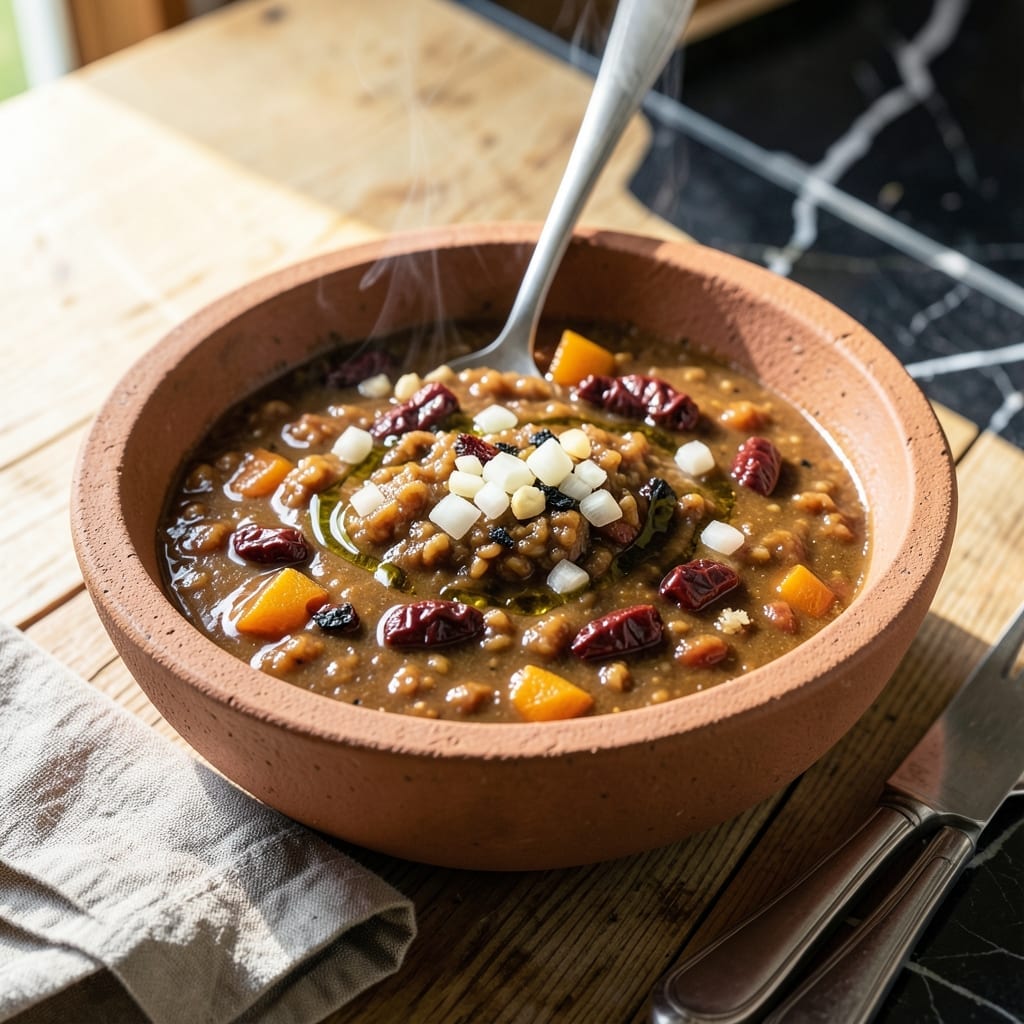
This sauce transforms plain rice into an authentic Mexican masterpiece with minimal effort. The blend of tomatoes, chiles, and aromatics creates a base that’s rich, slightly smoky, and perfectly balanced.
I developed this recipe to capture the essence of traditional Mexican flavors without complicated techniques. The key is blooming the spices in hot oil before adding the liquid ingredients, which deepens their impact.
You’ll end up with a vibrant, zesty sauce that clings beautifully to rice. It’s versatile enough for burritos, tacos, or as a base for other dishes.
Make a batch and keep it on hand for quick, flavorful meals all week.
Ingredients for Mexican Rice Sauce
These authentic ingredients create a vibrant, zesty base for Mexican rice and beyond.
| Ingredient | Amount | Notes |
|---|---|---|
| Canned Tomato Sauce 🍅 | 2 cups | Use high-quality San Marzano |
| Dried Ancho Chiles 🌶️ | 2 whole | Stems and seeds removed |
| Dried Guajillo Chiles 🌶️ | 2 whole | Stems and seeds removed |
| White Onion 🧅 | 1 whole | Medium, finely diced |
| Garlic Cloves 🧄 | 4 cloves | Minced for depth |
| Ground Cumin 🌿 | 1 tsp | Toasted for maximum flavor |
| Dried Mexican Oregano 🍃 | 1 tsp | Not Mediterranean oregano |
| Smoked Paprika 🌶️ | ½ tsp | Adds subtle smokiness |
| Vegetable Broth 💧 | 1 ½ cups | Low-sodium preferred |
| Extra-Virgin Olive Oil 🫒 | 3 tbsp | For blooming spices |
The chiles are the foundation here. Ancho and guajillo give that signature depth—find them in the Latin aisle at Kroger or any Mexican market. San Marzano tomatoes are worth the splurge for their sweetness, but any good quality canned sauce works. The cumin and oregano should be fresh; if they’ve been in your pantry for years, replace them. Penzeys is a great source for potent spices.
No ancho chiles? Pasilla chiles work in a pinch (milder, but still good). Guajillo can be swapped for New Mexico chiles if needed. For a shortcut, 1 tbsp chili powder approximates the flavor, but fresh chiles are better. The onion and garlic are non-negotiable—fresh only. If you must use powdered, cut the amount by half and expect less complexity.
This sauce keeps beautifully. Store in an airtight container in the fridge for up to 5 days, or freeze for 3 months. The flavors meld and deepen overnight, making it even better the next day. Portion into ice cube trays for easy single-serving use.
Why You’ll Love This Recipe
- One Pot Wonder: Mostly hands-off—just toast the chiles, blend with tomato sauce, and simmer. I can start it and forget it while I prep the rest of dinner.
- Smoky Depth: The ancho and guajillo chiles give this sauce a rich, slightly sweet heat that makes plain rice taste like it came from a taqueria.
- Freezer Friendly: Honestly, I double the batch every time because it freezes perfectly for up to three months.
- Budget Stretcher: Canned tomato sauce and a handful of dried chiles make enough sauce for multiple meals without breaking the bank.
Step-by-Step Instructions for Mexican Rice Sauce
Master the traditional technique for building depth of flavor in this essential base.
Step 1: Toast and Rehydrate the Dried Chiles
Heat a dry skillet over medium heat. Add the 2 whole Dried Ancho Chiles and 2 whole Dried Guajillo Chiles with stems and seeds removed. Toast for 30-45 seconds per side until fragrant and slightly puffed—this awakens their complex, fruity flavors.
Transfer the toasted chiles to a heatproof bowl and cover with 2 cups of hot water. Let them soak for 15 minutes until softened. This rehydration step is crucial for blending into a smooth, velvety sauce without gritty bits of chile skin.
Step 2: Bloom Spices and Sauté Aromatics
In a medium saucepan, heat the 3 tbsp Extra-Virgin Olive Oil over medium heat until shimmering. Add the 1 tsp Ground Cumin, 1 tsp Dried Mexican Oregano, and 0.5 tsp Smoked Paprika. Stir constantly for 30 seconds until the spices release their deep, earthy aroma.
Immediately add the finely diced 1 whole White Onion and cook for 5-6 minutes until translucent and just beginning to caramelize. Then stir in the minced 4 cloves Garlic Cloves and cook for another 1 minute until fragrant. Be careful not to let the garlic brown—it should soften without coloring.
Step 3: Blend the Sauce Base
Drain the rehydrated chiles, reserving the soaking liquid. In a blender, combine the chiles with the 2 cups Canned Tomato Sauce, the cooked onion and garlic mixture, and 1 cup of the reserved chile soaking liquid. Blend until completely smooth, scraping down the sides as needed.
For an ultra-silky texture, pass the blended sauce through a fine-mesh strainer to remove any remaining chile skins. This step ensures a restaurant-quality finish without fibrous bits. The sauce should have a deep red color and a balanced, slightly smoky aroma.
Step 4: Simmer and Reduce to Perfection
Pour the blended mixture into the saucepan and stir in the 1.5 cups Vegetable Broth. Bring to a gentle simmer over medium-low heat. Reduce the heat to maintain a steady simmer and cook for 20-25 minutes, stirring occasionally.
The sauce is ready when it has thickened enough to coat the back of a spoon and the flavors have melded into a rich, harmonious base. Taste and adjust seasoning if needed, though the spices and chiles should provide sufficient depth. This reduction step concentrates the flavors and removes any raw taste from the chiles.
Pro Tips For Making Mexican Rice Sauce
- Toast the Chiles: Heat the dried ancho and guajillo chiles in a dry skillet over medium heat for 30 seconds per side—just until fragrant. I learned this the hard way: skipping this step leaves the sauce tasting flat and raw.
- Strain the Sauce: After blending, push the mixture through a fine-mesh strainer to remove skins and seeds. Sounds tedious, but it makes the texture silky smooth, and nobody wants gritty rice sauce.
- Bloom the Onions: Cook the white onion in a little oil until it’s soft and just starting to brown, about 5-7 minutes. Rushing this part gives you a harsh, undercooked flavor that no amount of garlic can fix.
- Use Fresh Tomato Sauce: If your canned tomato sauce tastes metallic or bland, swap it for a high-quality passata or crushed tomatoes. My grandmother swore by this, and she was right: better base, better sauce.
Troubleshooting mexican rice sauce
Sauce Too Thin
If your sauce hasn’t thickened after 25 minutes, create a cornstarch slurry with 1 tbsp cornstarch and 1 tbsp cold water. Stir this into the simmering sauce and cook for 3-4 minutes until it reaches your desired consistency.
Sauce Too Thick
Thin it with ¼ cup Vegetable Broth at a time, stirring well between additions. I often find the sauce thickens more as it cools, so I wait 10 minutes before deciding if it needs more liquid. 💡
Bitter Chile Flavor
A pinch of sugar can balance bitterness from the chiles. Start with ½ tsp and adjust. This often happens if the chiles were toasted too long or if lower-quality chiles were used.
Always taste your chiles before using—some batches are more bitter than others.
Sauce Too Spicy
Stir in 2 tbsp Canned Tomato Sauce or ¼ cup Vegetable Broth to dilute the heat. For a creamier approach, I sometimes blend in 2 tbsp coconut milk, which adds richness while taming the spice.
Grainy Texture
This usually means the chiles weren’t soaked long enough or blended thoroughly. Strain through a fine-mesh sieve to remove any remaining skin bits. For future batches, soak chiles for the full 15 minutes in hot water.
Dull Flavor
Blooming the spices in hot oil is crucial. If your sauce lacks depth, try adding ½ tsp Ground Cumin and ¼ tsp Smoked Paprika, then simmer for an additional 5-10 minutes. 🔥
Nutrition Facts
Frequently Asked Questions
Can I use fresh chiles instead of dried?
Yes, but adjust quantities. Use 2 fresh poblano peppers for the ancho and 2 freshAnaheim peppers for the guajillo. Roast and peel them first.
How long does this sauce keep in the fridge?
Stored in an airtight container, it stays fresh for up to 5 days. The flavors actually improve after 24 hours as they meld together.
What can I use if I don’t have Mexican oregano?
Regular oregano works in a pinch, but use ½ the amount. For best results, mix with a pinch of marjoram to approximate the unique flavor.
Can I make this sauce ahead of time?
It freezes beautifully for up to 3 months. Portion into ice cube trays for easy single-serving use later.

- Rice Pudding Recipe With Eggs and Milk: Old-Fashioned Custard-Style Comfort - September 30, 2026
- Rice Noodle Sauce Recipe: Bold Umami Depth for Authentic Stir-Fry - September 30, 2026
- Rice Pilaf Recipe: Fragrant Basmati With Toasted Vermicelli - September 30, 2026