
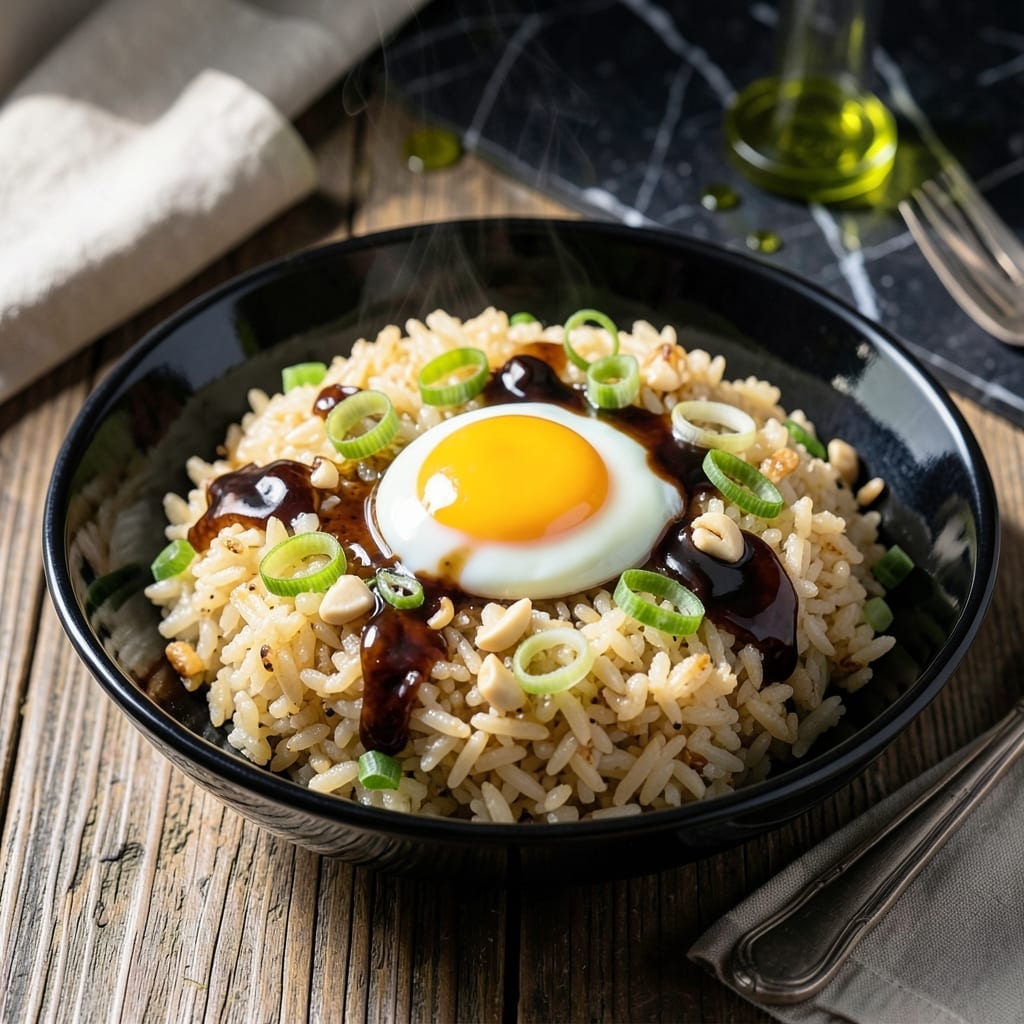
Achieving authentic wok-fried rice at home requires more than just tossing ingredients together. This method delivers that signature wok-hei flavor—smoky, charred, and deeply aromatic—without a commercial burner.
The secret lies in high heat, proper prep, and timing. Day-old rice prevents mushiness while quick cooking preserves texture. Each grain gets coated in savory sauce and charred slightly for that restaurant-quality finish.
What you get is rice with distinct layers of flavor: the smoky char from the wok, the umami depth from soy sauce, and the bright pop from green onions. It’s the kind of dish that makes takeout seem unnecessary.
Perfect as a side or main dish, this version stays true to the traditional technique while working in a home kitchen. Here’s how to master it.
Ingredients for Nagi Fried Rice
Day-old rice and high-heat ingredients create that signature smoky, charred aroma in every bite.
| Ingredient | Amount | Notes |
|---|---|---|
| Jasmine Rice 🍚 | 4 cups | Day-old, cooked and chilled |
| Vegetable Oil 🫒 | 3 tbsp | High smoke point preferred |
| Garlic Cloves 🧄 | 4 cloves | Minced finely |
| Fresh Ginger 🌿 | 1 tbsp | Grated or minced |
| Green Onions 🧅 | 4 whole | Thinly sliced, whites and greens separated |
| Large Eggs 🥚 | 3 whole | Lightly beaten |
| Peas 🌱 | 1 cup | Fresh or frozen, thawed |
| Carrots 🥕 | 1 cup | Finely diced |
| Light Soy Sauce 💧 | 3 tbsp | Low-sodium preferred |
| Dark Soy Sauce 💧 | 1 tbsp | For color depth |
| Sesame Oil 🫒 | 1 tsp | Pure, not toasted |
| White Pepper 🌶️ | ½ tsp | Freshly ground |
| Salt 🧂 | ½ tsp | Adjust to taste |
The rice must be day-old and thoroughly chilled—freshly cooked rice turns to mush under high heat. Jasmine rice is traditional for its fragrant, slightly sticky texture. For the oil, peanut or avocado oil (available at Whole Foods or Trader Joe’s) offers the necessary high smoke point. The ginger and garlic should be fresh; pre-minced versions lack the bright, sharp notes essential for authentic flavor.
No jasmine rice? Long-grain white rice works in a pinch, though the texture differs slightly. Dark soy sauce can be swapped with regular soy sauce plus a teaspoon of molasses for color. Vegetarians can omit the eggs or use tofu for similar texture. Frozen peas are fine (thaw first), but fresh carrots are non-negotiable—they add the right crunch and sweetness.
Cooked rice keeps in the fridge for up to 3 days before using. Store leftover fried rice for 4-5 days (reheat in a wok or skillet). For best results, prep all ingredients before heating the wok—mise en place is critical for this high-speed cooking method.
Why You’ll Love This Recipe
- Ready in 15: I can have this on the table faster than it takes to decide what to order for takeout. Honestly, it’s just chop, sizzle, and serve.
- Garlic-Ginger Magic: The combo of fresh ginger and garlic with those green onions gives it that restaurant-quality aroma and taste.
- Meal Prep Hero: I make a big batch on Sunday and it reheats beautifully for lunches all week.
- Pantry Friendly: Jasmine rice and a few staples are all you need—no last-minute grocery runs. Between us, it’s saved my wallet more than once.
Step-by-Step Instructions for Nagi Fried Rice
Master the wok technique and achieve that signature smoky flavor with each grain perfectly coated.
Step 1: Prepare the Wok and Aromatics
Heat a well-seasoned wok or large skillet over high heat until it begins to smoke. Add 2 tbsp of the Vegetable Oil and swirl to coat the surface evenly. This high temperature creates that coveted wok hei, or breath of the wok, which gives the dish its characteristic smoky aroma.
Immediately add the minced Garlic Cloves and grated Fresh Ginger, stirring constantly for 15-20 seconds until fragrant but not browned. The garlic should sizzle aggressively—this is your cue that the wok is at the right temperature. Add the whites of the Green Onions and cook for another 10 seconds to soften slightly.
Step 2: Scramble the Eggs and Add Vegetables
Push the aromatics to one side of the wok and add the remaining 1 tbsp Vegetable Oil to the empty space. Pour in the lightly beaten Large Eggs and scramble quickly with a spatula, breaking them into small, soft curds. The eggs should cook in 30-45 seconds—they’ll finish cooking when you combine everything later.
Add the Carrots and Peas, stirring to combine with the eggs and aromatics. Cook for 1-2 minutes until the carrots begin to soften slightly but retain a bit of bite. The peas will heat through quickly, especially if they were thawed beforehand.
Step 3: Incorporate the Rice and Seasonings
Add the chilled Jasmine Rice to the wok, breaking up any clumps with your spatula. Stir-fry for 2-3 minutes until the rice is fully heated through and begins to take on a slightly toasted appearance. The cold rice is crucial here—it prevents the dish from turning mushy as it fries.
Drizzle the Light Soy Sauce, Dark Soy Sauce, and Sesame Oil evenly over the rice. Toss everything together to coat the grains uniformly. The dark soy sauce adds depth of color, while the light soy sauce provides saltiness and umami. Season with White Pepper and Salt, adjusting to taste.
Step 4: Finish and Garnish
Continue stir-frying for another 1-2 minutes until the rice develops a slightly crisp texture in spots and the flavors meld together. The grains should be separate, glossy, and infused with the aromatics and sauces. Taste and adjust seasoning if needed—remember, the soy sauces are already salty, so go easy on the salt.
Remove from heat and stir in the green tops of the Green Onions. The residual heat will soften them slightly while keeping their vibrant color and fresh crunch. Serve immediately while hot, with each grain distinct yet cohesive, and the aroma of wok hei still lingering.
Pro Tips For Making Nagi Fried Rice
- Chill the Rice: Use day-old jasmine rice straight from the fridge—it fries up drier and fluffier. I learned this the hard way after making mushy fried rice with fresh rice more times than I’d like to admit.
- Prep Ginger-Garlic First: Mince the garlic and ginger together and let them sit for 5 minutes before cooking. Sounds weird, but it works: the flavors meld better and hit the oil ready to bloom.
- Crank the Heat: High heat, no exceptions—about medium-high to searing. After burning three batches, I finally figured out that low heat just steams the rice instead of frying it.
- Save Green Onion Tops: Slice the green parts thin and keep them separate—add the whites early for flavor, the greens at the end for a fresh crunch. My grandmother swore by this, and she was right.
Troubleshooting Perfect Results
Mushy Rice Fix
If your rice turns mushy, you likely used fresh rice instead of day-old chilled rice. Spread hot rice on a tray and refrigerate for 2 hours to dry it out before using. This removes excess moisture that causes mushiness. 💡
Soggy Vegetables
Soggy veggies usually mean they were overcrowded in the wok. Cook in batches if needed, and ensure your wok is screaming hot before adding ingredients. High heat is key for that perfect char without steaming.
Egg Overcooking
If your eggs turn rubbery, you’re cooking them too long. Scramble the Large Eggs for just 30-45 seconds until soft curds form. They’ll finish cooking when combined with the hot rice later.
Weak Wok Hei
No smoky aroma? Your heat isn’t high enough. Use a well-seasoned wok and get it smoking hot before adding oil. Peanut oil has a higher smoke point than vegetable oil for better results. 🔥
Sauce Unevenness
Drizzle sauces (Light Soy Sauce, Dark Soy Sauce) around the edges of the wok, not directly on the rice. This helps distribute the seasoning evenly as you toss everything together.
Bland Flavor
If your dish tastes flat, you may have under-seasoned. Taste before finishing and adjust with White Pepper or a pinch more Salt. Remember, soy sauces vary in saltiness by brand.
Nutrition Facts
Frequently Asked Questions
Can I use fresh rice instead of day-old?
No, fresh rice contains too much moisture and will turn mushy. Always use day-old chilled rice for the best texture. Spread hot rice on a tray and refrigerate for 2 hours if needed.
What’s the best oil for high heat?
Peanut oil is ideal with its high smoke point, but vegetable or avocado oil work too. Avoid olive oil—it burns at these temperatures.
Can I add other vegetables?
Try bell peppers, corn, or broccoli. Just cut them small and cook in batches to avoid steaming. Keep veggies crisp for best texture.
How do I get more smoky flavor?
Maximize wok hei by using high heat and a well-seasoned wok. Let it get smoking hot before adding oil, and don’t overcrowd the pan.

- Lump Rice Recipe Sri Lanka: Traditional Island-Style Texture - November 4, 2026
- Laos Sticky Rice Recipe: Traditional Steamed Perfection - November 4, 2026
- Magic Rice Recipe: One-Pot Aromatic Wonder - November 4, 2026