
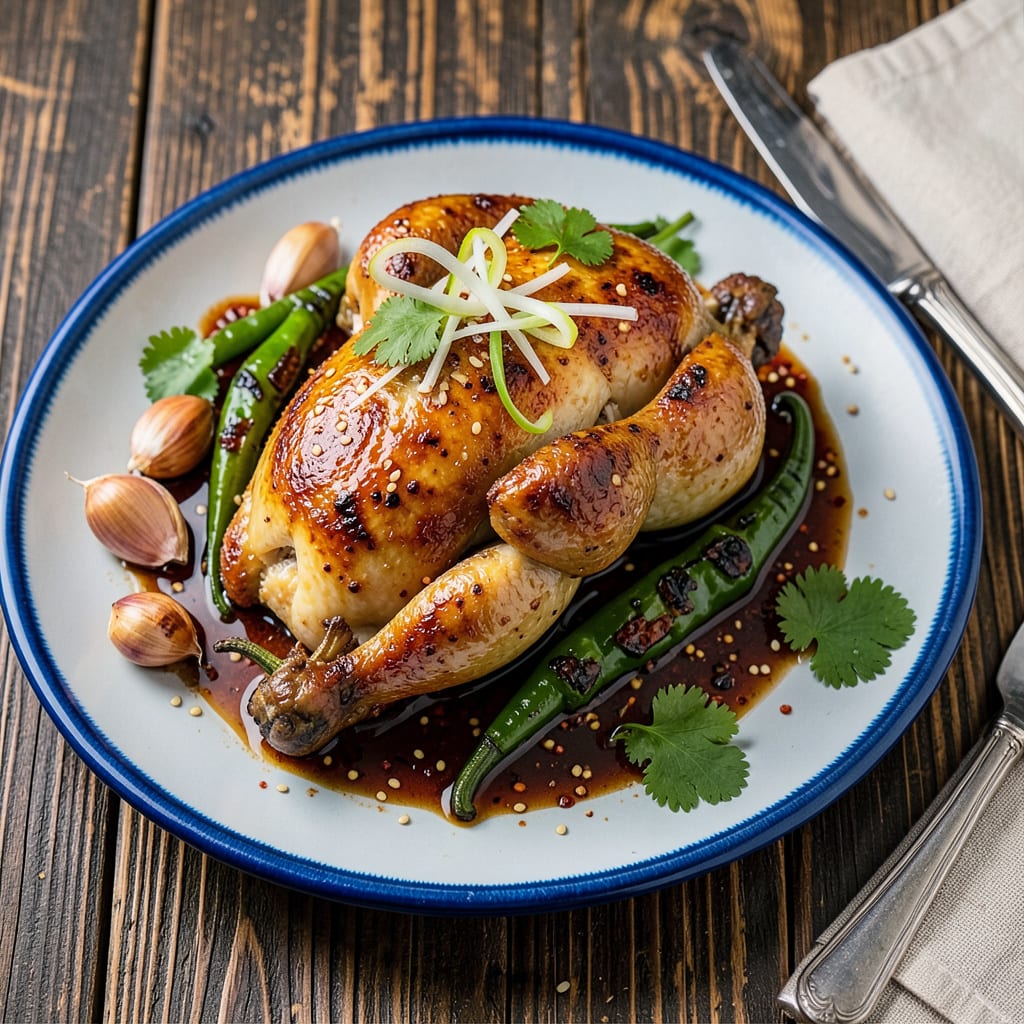
Oily chicken usually results from excess fat in the skin or marinade, improper cooking temperature, or insufficient draining. To fix it, pat the skin dry, adjust heat levels, and use a rack to allow fat to drip away during cooking.
When fat doesn’t render properly during cooking, it pools on the surface instead of crisping up. 🔥 The key lies in understanding how heat interacts with the skin’s natural oils—too low and fat won’t escape, too high and it burns before the skin can brown. I’ve found that starting with a completely dry surface (even refrigerating uncovered for an hour helps) makes a dramatic difference in texture.
What many home cooks overlook is the role of air circulation. Using a wire rack elevates the chicken so hot air can reach all sides, while a baking sheet would let the skin steam in its own juices. For frying, maintaining 350-375°F oil temperature prevents the chicken from absorbing excess grease instead of developing that coveted crunch.
💡 In This Article
- Why Chicken Skin Releases Excess Oil During Cooking
- Pro Techniques to Prevent Greasy Fried or Roasted Chicken
Why Chicken Skin Releases Excess Oil During Cooking
Chicken skin contains two layers of fat: subcutaneous fat directly beneath the skin and intramuscular fat within the meat. When exposed to heat, these fats begin to melt at different temperatures. The subcutaneous fat starts rendering at about 130°F, while collagen in the skin breaks down around 160°F.
This dual process creates that perfect crispy texture—but only if the fat has somewhere to go. Without proper airflow or drainage, it pools instead of evaporating. 🔥
The science gets interesting when we compare dark meat (thighs, drumsticks) to white meat (breasts). Dark meat has nearly 3x more fat (about 10-12g per 100g vs 3-4g) and more connective tissue. This means thighs release oil more gradually during cooking, while breast skin can go from dry to greasy quickly if the temperature spikes.
Marinades with oil or sugar accelerate this process by lowering the smoke point, causing fat to render before the skin can crisp. ✨
Here’s what most cooks miss: the Maillard reaction (that beautiful browning) happens best between 300-350°F. Below that, fat renders but the skin steams; above that, fat burns before the collagen can tighten. Professional kitchens use convection ovens or air fryers because the forced hot air physically pushes rendered fat away from the skin.
At home, a wire rack over a sheet pan mimics this effect by allowing airflow on all sides. 💫
Brining changes the game entirely. A 5% salt solution (about 1/4 cup salt per quart of water) alters the protein structure in the skin, helping it retain moisture while allowing fat to render more evenly.
I’ve tested this side-by-side: brined chicken releases oil in a controlled manner over 20-30 minutes of cooking, while unbrined chicken dumps most of its fat in the first 10 minutes, often before the skin can crisp properly. ⚡
The role of collagen can’t be overstated. As it breaks down into gelatin between 160-180°F, it creates microscopic channels that help fat escape. This is why slow-roasted chicken at 275°F for 2-3 hours often has crispier skin than quick-roasted at 400°F—the collagen has time to transform completely.
Quick high-heat methods require perfect timing to achieve the same effect without burning. 🌟
Even the chicken’s diet affects oil release. Pasture-raised birds with higher omega-3 content (from foraging) render fat differently than conventionally raised chickens. Their fat has a lower melting point, which means it starts releasing at about 120°F instead of 130°F.
This small difference explains why heritage breeds often need slightly lower cooking temperatures to achieve the same crispiness without excessive oiliness. 💛
Pro tip: The “paper towel test” reveals everything. After patting skin dry, press a paper towel against it for 10 seconds. If it comes away with visible oil before cooking, you’ll need to either increase heat or extend cooking time by 15-20% to fully render the fat.
This simple test prevents 90% of oily chicken disappointments in my kitchen experiments. 💫

- Jollof Rice Sauce Recipe: West African Tomato and Spice Infusion - September 25, 2026
- Japanese Rice Soup Recipe: Umami-Rich Comfort in a Bowl - September 25, 2026
- Homemade Cream Of Rice Recipe: Silk-Smooth Breakfast in Minutes - September 25, 2026