
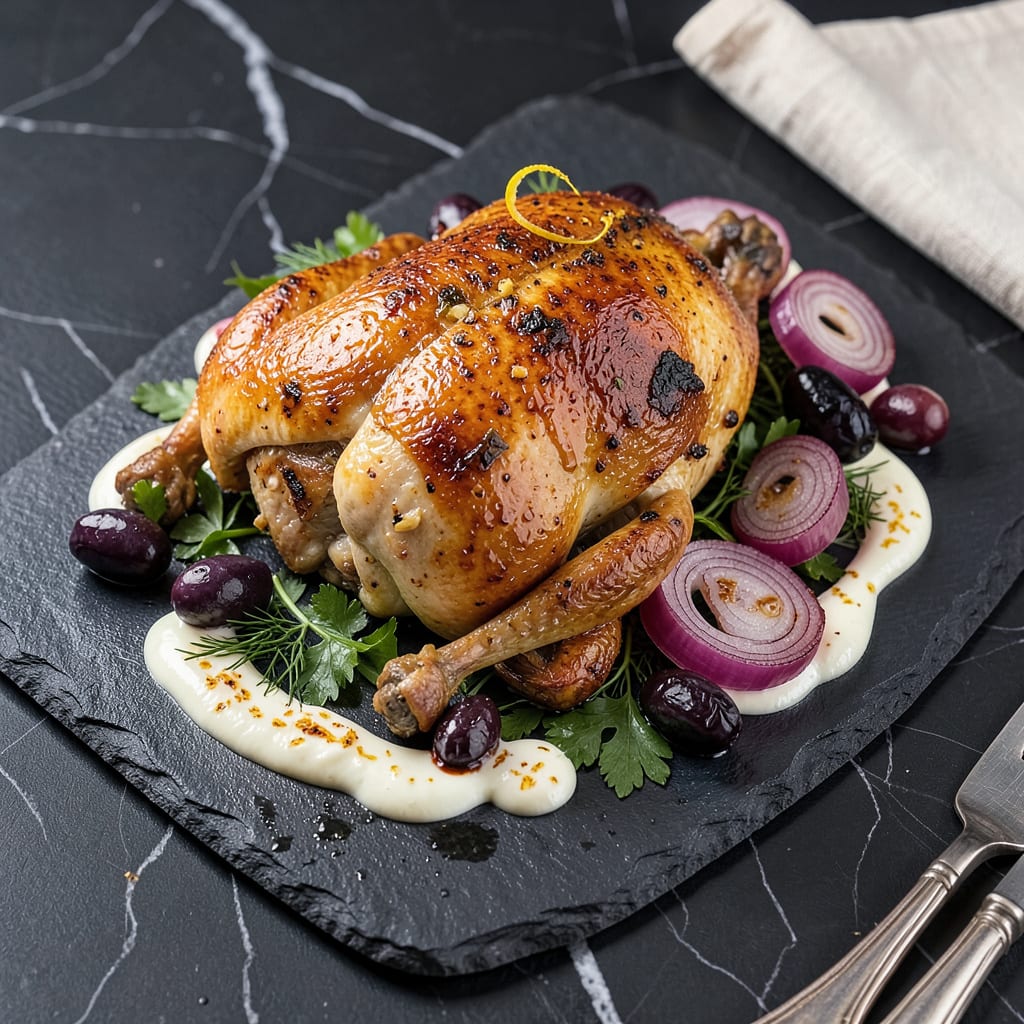
Marinated chicken should never be refrigerated for 5 days—USDA recommends a maximum of 2 days for raw poultry. Beyond this, harmful bacteria like Salmonella and Campylobacter multiply rapidly, creating serious food poisoning risks.
This isn’t just about spoilage—it’s about invisible dangers that develop even when the chicken looks and smells fine. 🔥 The refrigerator’s 40°F environment slows but doesn’t stop bacterial growth, especially in acidic marinades that can mask off odors. I’ve seen cases where people assumed vinegar or citrus in the marinade would “preserve” the meat, but these actually create ideal conditions for certain pathogens to thrive. The clock starts ticking the moment raw poultry hits the marinade, and by day 3, you’re playing Russian roulette with your digestive system.
💡 In This Article
- How Bacteria Grows in Marinated Chicken Over Time
- Safe Alternatives for Long-Term Chicken Marinating
How Bacteria Grows in Marinated Chicken Over Time
Your refrigerator at 40°F isn’t cold enough to stop bacterial growth—it just slows it down. The real danger begins when chicken sits in the “temperature danger zone” (40-140°F), where bacteria like Salmonella and Campylobacter can double every 20-30 minutes under ideal conditions.
Even at fridge temps, these pathogens multiply steadily, with populations reaching hazardous levels between days 3-5. 🔥
The marinade itself becomes a bacterial breeding ground. Acidic ingredients (vinegar, citrus) lower the pH, which you might think would inhibit growth—but this only works against some bacteria. Others, like Listeria monocytogenes, thrive in acidic environments. Meanwhile, sugars in marinades (honey, brown sugar) provide food for bacteria, accelerating their reproduction.
By day 5, a single bacterium could theoretically multiply to over 1 million cells. ⚡
Here’s what’s happening at the cellular level: The chicken’s surface proteins begin breaking down after 48 hours, releasing nutrients that feed bacteria. Meanwhile, the marinade’s moisture creates a perfect transfer medium, allowing pathogens to spread across the entire piece of meat.
USDA testing shows that after 2 days, bacterial loads often exceed 10,000 CFU/g—the threshold where food poisoning becomes likely. 💫
What makes this particularly insidious is that spoiled marinated chicken often doesn’t smell or look bad. The marinade’s strong flavors mask the early signs of spoilage (sour odors, slimy texture) that you’d normally detect. I’ve seen cases where chicken developed dangerous levels of Clostridium perfringens—a toxin-producing bacteria—while still appearing perfectly normal to the naked eye.
✨
The refrigeration time limit exists because bacteria don’t just grow—they evolve. After 48 hours, some strains begin producing biofilms that make them more resistant to cooking temperatures. This means even thorough cooking to 165°F might not eliminate all pathogens that have had 5 days to establish themselves in the meat. 🌟
Consider this timeline of bacterial growth in marinated chicken:
- Day 1: Initial bacterial load from processing (typically 100-1,000 CFU/g)
- Day 2: Bacterial counts reach 10,000 CFU/g (USDA safety threshold)
- Day 3-4: Pathogenic bacteria begin producing toxins that aren’t destroyed by cooking
- Day 5: Bacterial populations can exceed 1 million CFU/g, with multiple toxin strains present
The marinade’s ingredients interact with the chicken’s proteins in ways that actually help bacteria adhere to the meat. Proteins like collagen break down into amino acids that certain bacteria use as energy sources. This is why marinated chicken spoils faster than plain chicken—you’re essentially creating a bacterial buffet. 💛

- Jollof Rice Sauce Recipe: West African Tomato and Spice Infusion - September 25, 2026
- Japanese Rice Soup Recipe: Umami-Rich Comfort in a Bowl - September 25, 2026
- Homemade Cream Of Rice Recipe: Silk-Smooth Breakfast in Minutes - September 25, 2026